
China
23:09, 19-Jul-2018
China provinces offer incentives to raise birth rate
Updated
22:33, 22-Jul-2018
 ["china"]
Share







Copied

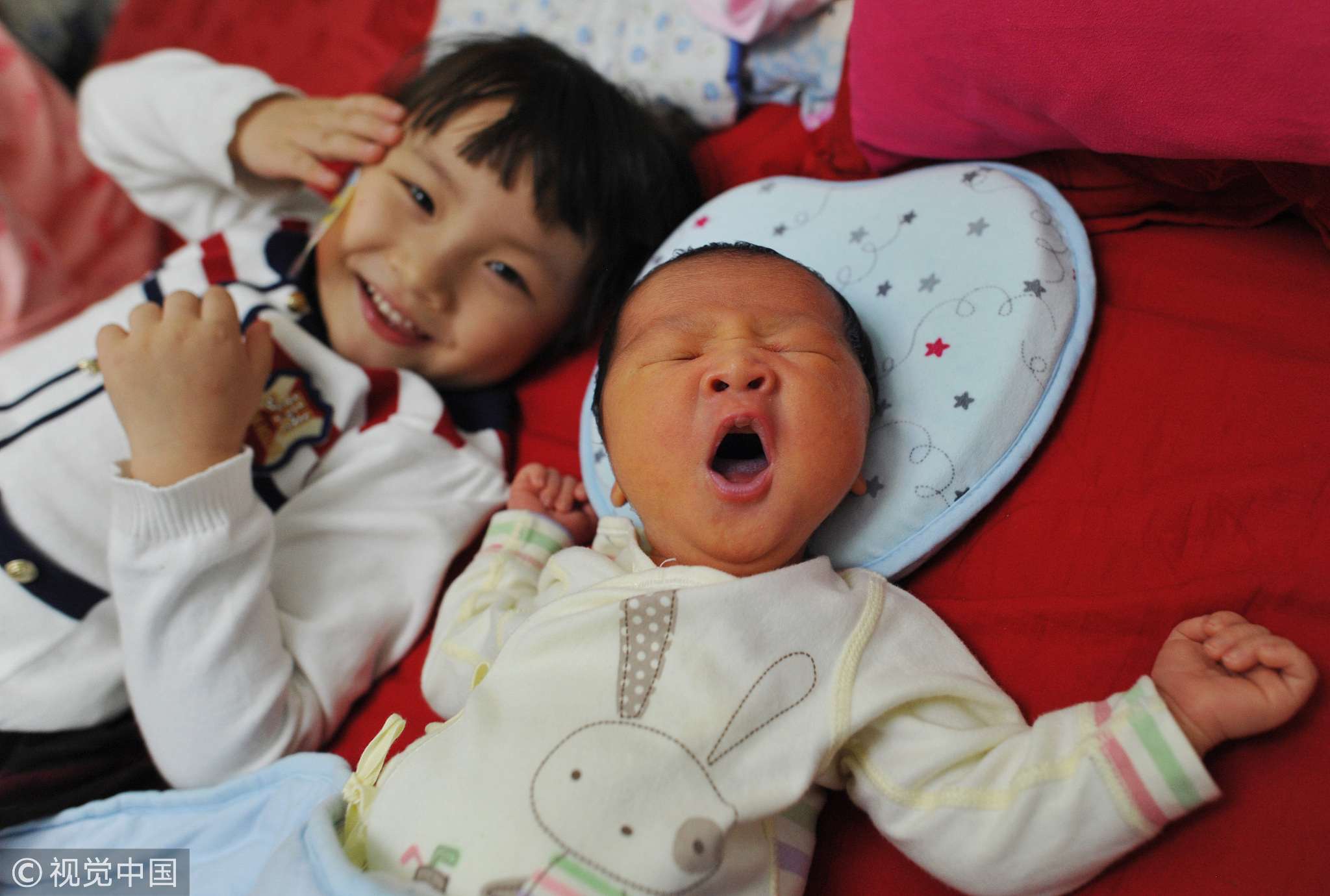
Please have another baby. That’s the new message for couples across China as some regions have granted extended benefits to local couples having a second child, reports thepaper.cn.
As many as 31 provinces, regions, and municipalities have reportedly extended paid maternity leave since 2017, one year after the government changed its long-standing one-child policy by allowing all couples to have a second child if they wish to.
As well as longer maternity leave, additional benefits include housing allowances, medical services and education guarantees.
VCG Photo
VCG Photo
In Shihezi City in China’s northwestern Xinjiang Uygur Autonomous Region, mothers who have a second child will be offered subsidies worth up to 1,000 yuan (about 147 US dollars) and babies would get milk formula subsidies for up to three years.
Similarly, Xiantao in central China’s Hubei Province is providing subsidized reproductive medical services to second-time mothers.
That might not be enough, some experts say, as China’s fertility rate in 2016 was 1.7, considered low.
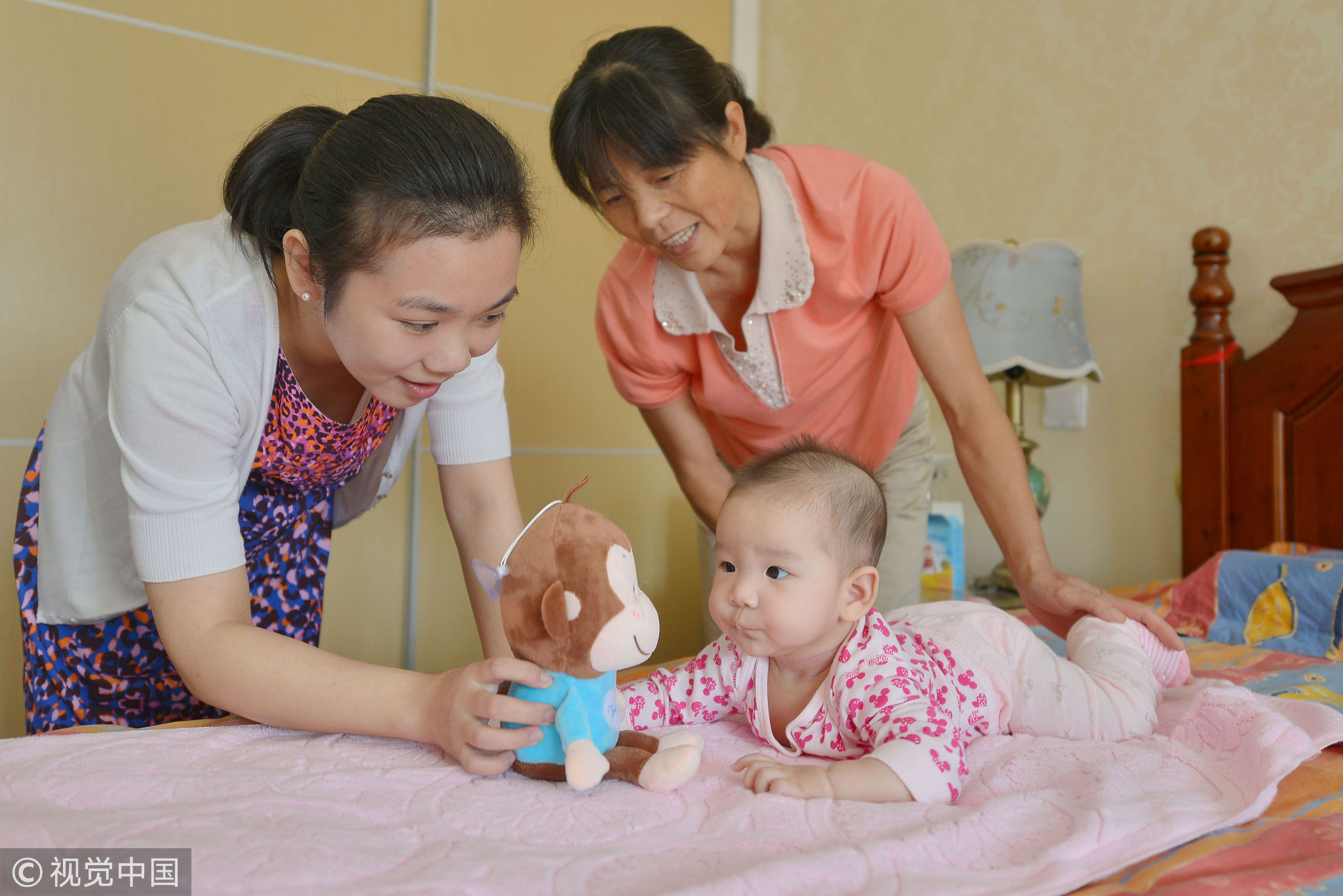
And northeastern Liaoning Province has vowed to improve tax, education and social welfare benefits and to simplify procedures for obtaining childbirth permits to a family of four, according to a guideline released by the provincial government last month.
In the guideline, Liaoning sets a target to increase the province’s population from 43.8 million in 2015 to 45 million in 2030.
VCG Photo
VCG Photo
However, the measure seems not to be enough to persuade young couples to have more children. High living costs, long working hours and surging childcare expenses make some couples feel that they can only afford to have one child – or none at all.
On social media, many people voiced their reservations. “Second child?” said one commenter, “I couldn’t even afford to get married.”

VCG Photo
VCG Photo
For decades, China had insisted on a national strategy of limiting population growth. But facing a dilemma regarding existing population structural challenges like rapid aging and a shrinking workforce, the concern has reversed.
According to data released by the National Bureau of Statistics, in 2017 China’s birth population was 17.23 million, of which a second child accounted for more than 50 percent. However, compared with 2016, the number of newborns decreased by 880,000 in 2017, especially the number of first children dropped significantly.
“Young generations have more diversified choices. Having one or two children should be a decision made by the families themselves. Policy support is only one of many factors to be considered,” said Lu Jiehua, a professor at China’s Peking University.