
Business
20:57, 07-Aug-2018
Gobee bikes pack up in Hong Kong
Updated
20:00, 10-Aug-2018
 ["china"]
Share







Copied
03:00
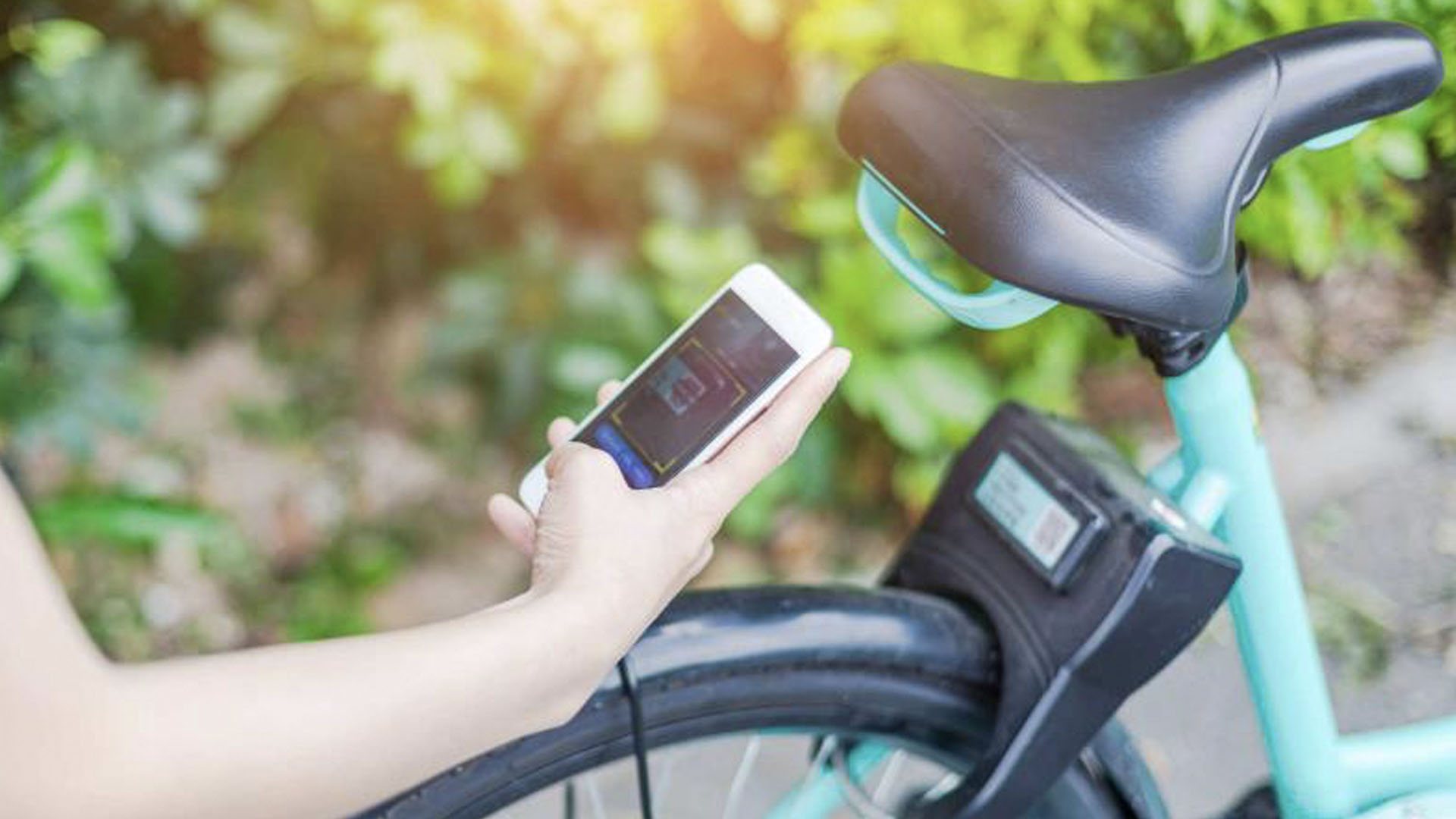
Hong Kong’s startup successes aren't exactly unheard of and Gobee.bike, founded in last April, was supposed to be one of the jewels in the crown. However, the local bike sharing company designed to cater for a brand new market encountered unexpected problems.
Within days, several bikes had been found thrown into a river or otherwise vandalized – with brakes, lights and even handle bars missing. That was a drop in the ocean compared to the issues it encountered in France though, where more than 3,000 bikes were damaged and as many as 1,000 outright stolen in just four months of operation.
Ultimately the company failed to make any profit and this month packed up, blaming "enormous" maintenance costs for its failure.
With about 25,000 cycles in total, Gobee.bike was one of about seven firms that tried to compete in the market last year.
But now, most of the bike sharing market share in Hong Kong have been taken by ofo, a brand from Chinese mainland.
Gobee.bike was launched in Hong Kong last year by a local entrepreneur. The company’s CEO Raphael Cohen talked about the "huge potential" Hong Kong had for the bike sharing market. However, 15 months on, not only has Gobee.bike been forced to close – but many are wondering whether the market exists at all.
"If you're going to operate a company, then profit is the main concern. If most of the usage is coming during the holidays, that means during the weekday, no one is going to use the bike,” said Billy Mak, associate professor at the Department of Finance and Decision Science of Hong Kong Baptist University.
Mak added that the operation of such business is not financially viable.
“It's quite different, because in Hong Kong the road traffic is quite heavy, and then it's so difficult to accommodate a shared bike to ride on in the city, and then you can only use the countryside, and then that limited the profitability of the company," he explained.
Hong Kong has a real problem at the moment with the sharing economy – and bike firms aren't the only victim.
Just this month, Airbnb warned about the effects of tough new laws here on short-term rentals. Uber, meanwhile, has seen 28 of its drivers convicted and fined for illegal carriage. Hong Kong is not the only place having these issues, but many say they are holding the city back, including Mak.
Discussing why sharing economy is difficult to develop in Hong Kong, “It is not because the idea is not good but because it may conflict with existing businesses. We are talking about old economy, new economy – actually they're delivering the same types of service. But they deliver in different ways," Mak said.
Gobee.bike originally said the time had come to adopt a new paradigm for sustainable urban transport. If that is indeed true, it's still unclear whether, in Hong Kong at least, that new paradigm is bike sharing.