
Opinions
10:31, 28-Sep-2018
Opinion: Trump's protectionism can open doors for China, Australia
Updated
09:30, 01-Oct-2018
 ["china"]
Share







Copied
Editor's note: Tim Harcourt is the JW Nevile Fellow in Economics at the University of New South Wales (UNSW) Business School in Sydney, Australia, and host of "The Airport Economist" on Sky News and Qantas. The article reflects the author's opinion, and not necessarily the views of CGTN.
In the course of filming my TV series on international trade, "The Airport Economist," and writing the book series of the same name, I think I have visited about 60 countries in six years, traversing the globe and racking the frequent flyer points (thanks One World!). And in the countries, in places as diverse as the last three nations I visited – Myanmar, Peru and Finland – the questions I am asked are often the same. But they've taken a new shape and sense of urgency.
For example, in Latin America, from Cartagena on the Caribbean coast of Colombia down to Tierra del Fuego, it used to be what do you think about China? Similarly, in Central Europe, Central Asia or Africa the same questions were asked. What about the rise of China? How will the shift in the world economy be managed? What happens if China has a slump? It seemed that all roads lead to (and many were actually financed by) Beijing.
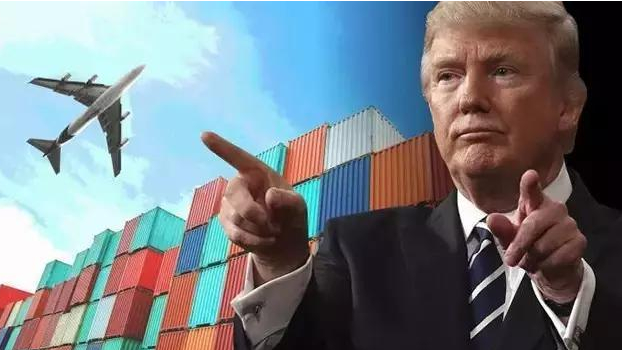
Now the question always asked is “What do you think about Trump?” Well, it is no surprise given the shock waves that President Donald J. Trump sent through the US electoral system in 2016 with his audacious win in the primaries and the national election by seemingly more fancied and experienced (although flawed) opponents.
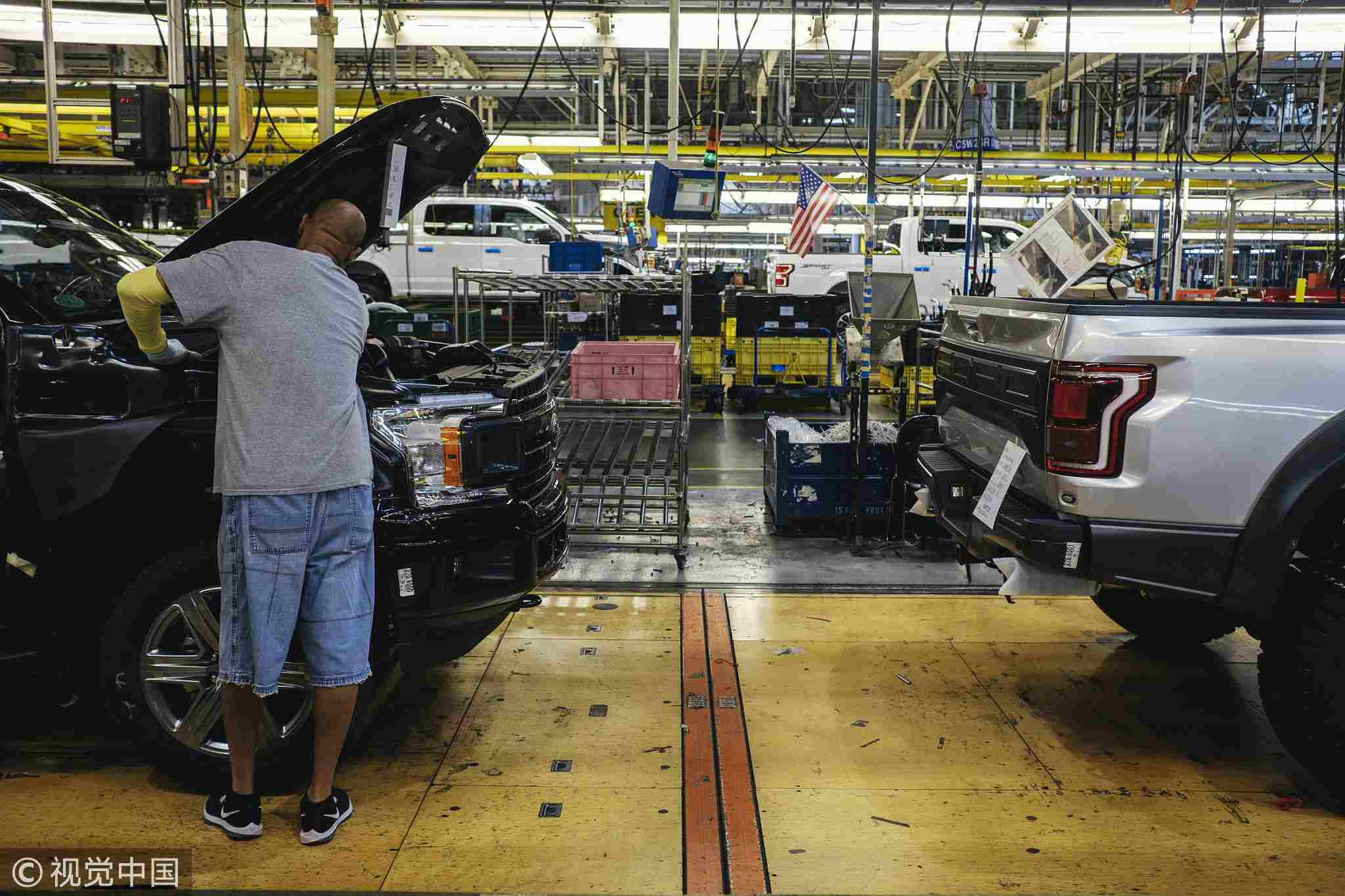
An employee works on the line at the Ford Motor Co. Dearborn Truck Plant in Dearborn, Michigan, US, on Sept. 27, 2018. /VCG Photo
An employee works on the line at the Ford Motor Co. Dearborn Truck Plant in Dearborn, Michigan, US, on Sept. 27, 2018. /VCG Photo
The response to Trump has partly been about his style as much as substance. The reality TV star background, the brash speaking style, the manic use of Twitter and full shirt front of the media with accusations of bias and "fake news" have made the world nervous given the US' place as the globe's pre-eminent economic superpower, and the institutional importance of the Office of the President to the United States and to the world.
But it's now about substance as well as style particularly in terms of trade. After all, Trump did come to power on an economic populist platform criticizing the US' past free trade deals including the Trans-Pacific Partnership (TPP) and the North American Free Trade Agreement (NAFTA). Trump did this to appeal to blue-collar voters in Ohio, Michigan, Pennsylvania, and Wisconsin that he won off Democrat Hillary Clinton. In fact, he was not alone; left-wing candidate Bernie Sanders also ran an anti-free trade message forcing Clinton to reverse her decision on the TPP.
At first, many pundits thought Trump was bluffing with his "trade policy by Twitter" but he said what he meant and meant what he said. He withdrew the US from the TPP. He took on the G7, especially the European Union. He lifted tariffs on steel and aluminum. And now is punishing Canada as he re-negotiates NAFTA, seemingly between just Mexico and the US. And that's even before the implications of the trade war he has picked with China.
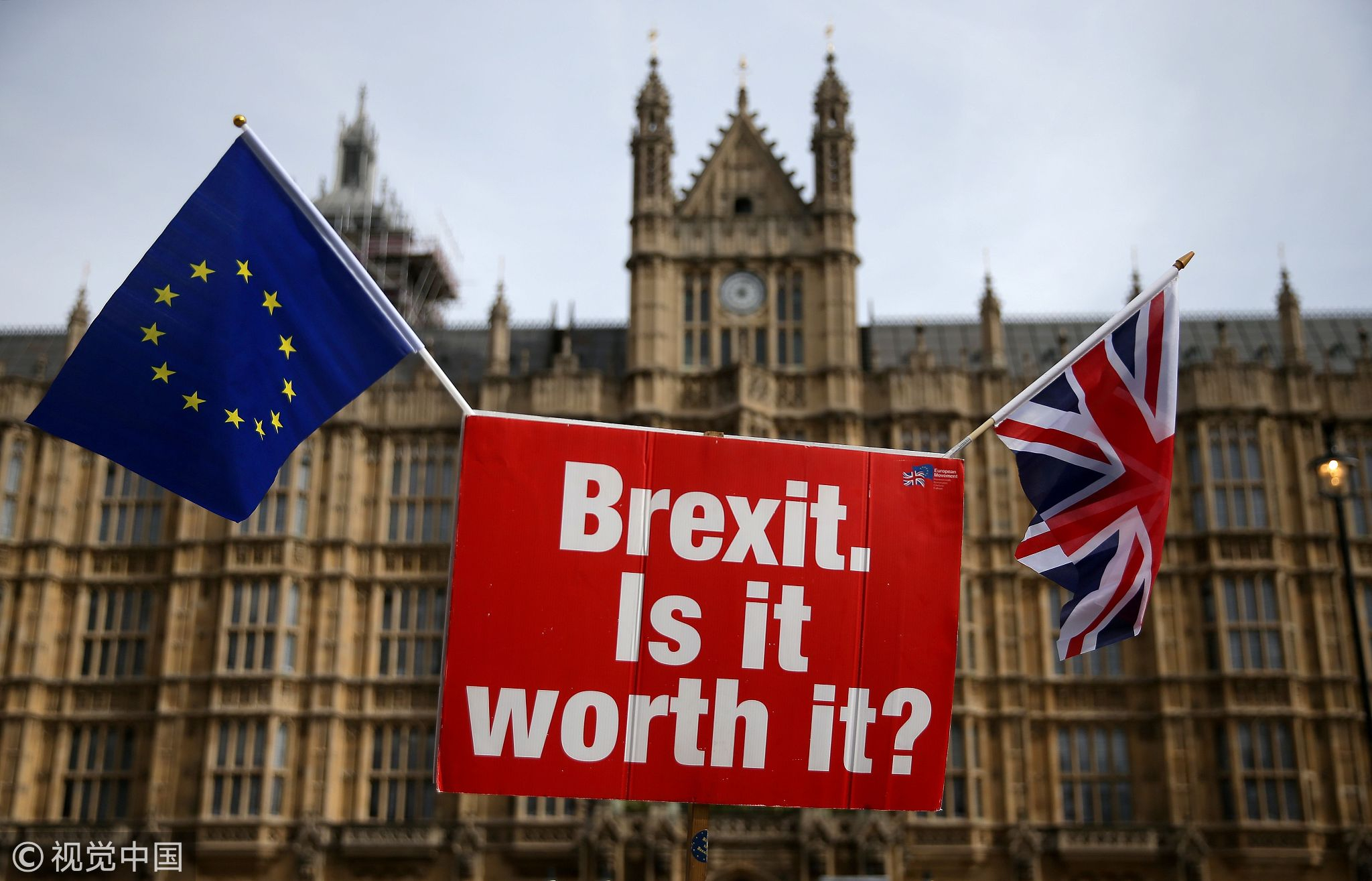
A sign that reads "Brexit. Is it worth it?" as demonstrators protest outside the Houses of Parliament in central London on Sept. 10, 2018. /VCG Photo
A sign that reads "Brexit. Is it worth it?" as demonstrators protest outside the Houses of Parliament in central London on Sept. 10, 2018. /VCG Photo
Is Trump a traditional protectionist? He says he is not. He just thinks past administrations made "Bad deals" and as an experienced businessman (and author of "The Art of the Deal") he could do a better job with the US' trade deals, just as he can make allies "pay their share" of NATO's costs and other institutions of the international economy where he feels America has got short shrift.
But the rise of Trump is about more than just trade policy. All over the world, we've seen a rise in both right-wing and left-wing populism as a response to the inequalities that have occurred in conjunction with globalization (with correlation or causation between the two a major bone of contention). The tensions have been caused by a range of factors including trade, technology, immigration, the erosion of safety nets and labor market institutions but also capital mobility and the behavior of banks and financial services companies during the Global Financial crisis (GFC) and its aftermath. In the US, it was free trade (egged on by Trump and Sanders), in the UK with Brexit it was immigration and open borders, whilst in Asia and Latin America, it's been about corruption and governance. In Australia, a country that has benefited from open trade and ties with Asia, trade economists failed to appreciate the importance of labor markets and social safety nets. Hence the political prominence of labor market issues in Australia with slow wages growth and a lack of job security in the context of an expensive housing market and cost of living pressures.
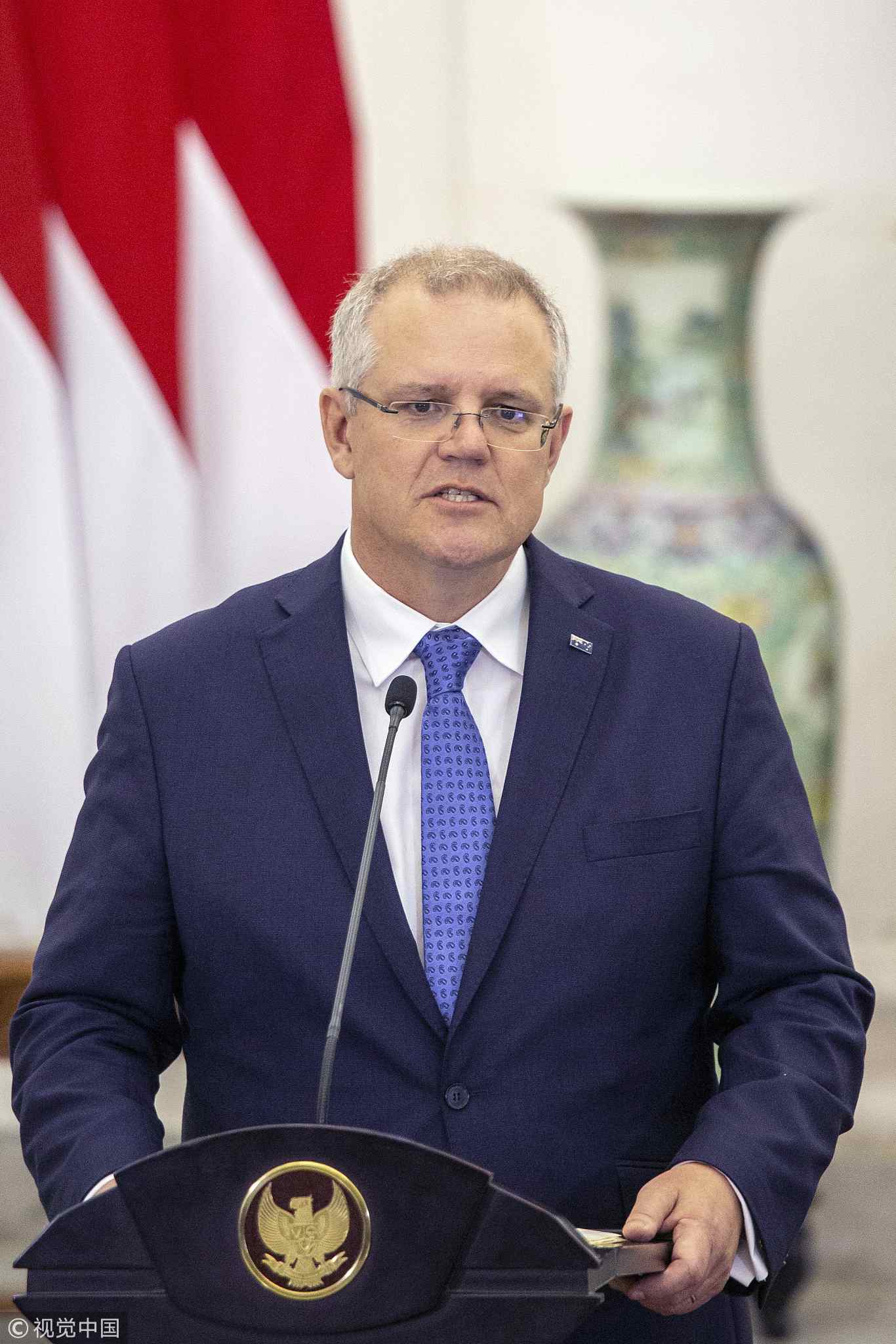
Australian Prime Minister Scott Morrison speaks after officials signed a series of memorandums of understanding at the presidential palace in Bogor, Indonesia, on Aug. 31, 2018. /VCG Photo
Australian Prime Minister Scott Morrison speaks after officials signed a series of memorandums of understanding at the presidential palace in Bogor, Indonesia, on Aug. 31, 2018. /VCG Photo
So what next for Trump? It's going to be a nervous time for the world trading system, but China can take advantage of the chaos in the White House and grow its influence in the global economy. Similarly, countries like Australia, can show our support for the world trading system, forming strong partnerships in Asia, Latin America and Europe and emerging markets and positioning ourselves as a reliable and stable trading partner in Asia, not one hell-bent on tariffs and trade wars.
But for Australia, support for an open economy is necessary but not sufficient as support for an open trading system also requires support for labor market protection – not trade protection – and social insurance and safety nets as our global ties strengthen. And that is the very essence of the Australian model of open trade and strong labor market institutions as an alternative to the trade policies of President Donald J. Trump.
(If you want to contribute and have specific expertise, please contact us at opinions@cgtn.com.)