
Business
21:16, 15-Aug-2018
China confident it will achieve GDP target, despite tariff war
Updated
20:53, 18-Aug-2018
 ["china"]
Share







Copied
China’s state planning authorities pledged on Wednesday to keep debt levels under control as it expressed confidence that the year's growth target will be achieved in spite of the trade war with the US.
National Development and Reform Commission (NDRC) spokesman Cong Liang told a media briefing that new spending on roads, railways, elderly care and education will not be as heavy as in the past and will aim to meet real demand, reducing the risk of over-capacity.
At the same time, the government is stepping up infrastructure spending and injecting more funds into the banking system, which is lowering borrowing costs.
The comments by the NDRC spokesman came a day after China released new data showing investment growth has slowed to a record low.
The moves by the agency are an attempt to stabilize business conditions and weather the trade war.
NDRC spokesman Cong Liang told a media briefing that new spending on roads, railways, elderly care and education will not be as heavy as in the past and will aim to meet real demand, reducing the risk of over-capacity.
Authorities are also hoping to attract private investment in such projects to reduce the government’s debt burden, he said, noting that regulators are relaxing restrictions on local governments’ ability to sell special bonds to fund projects.
00:42
Growth Target Intact
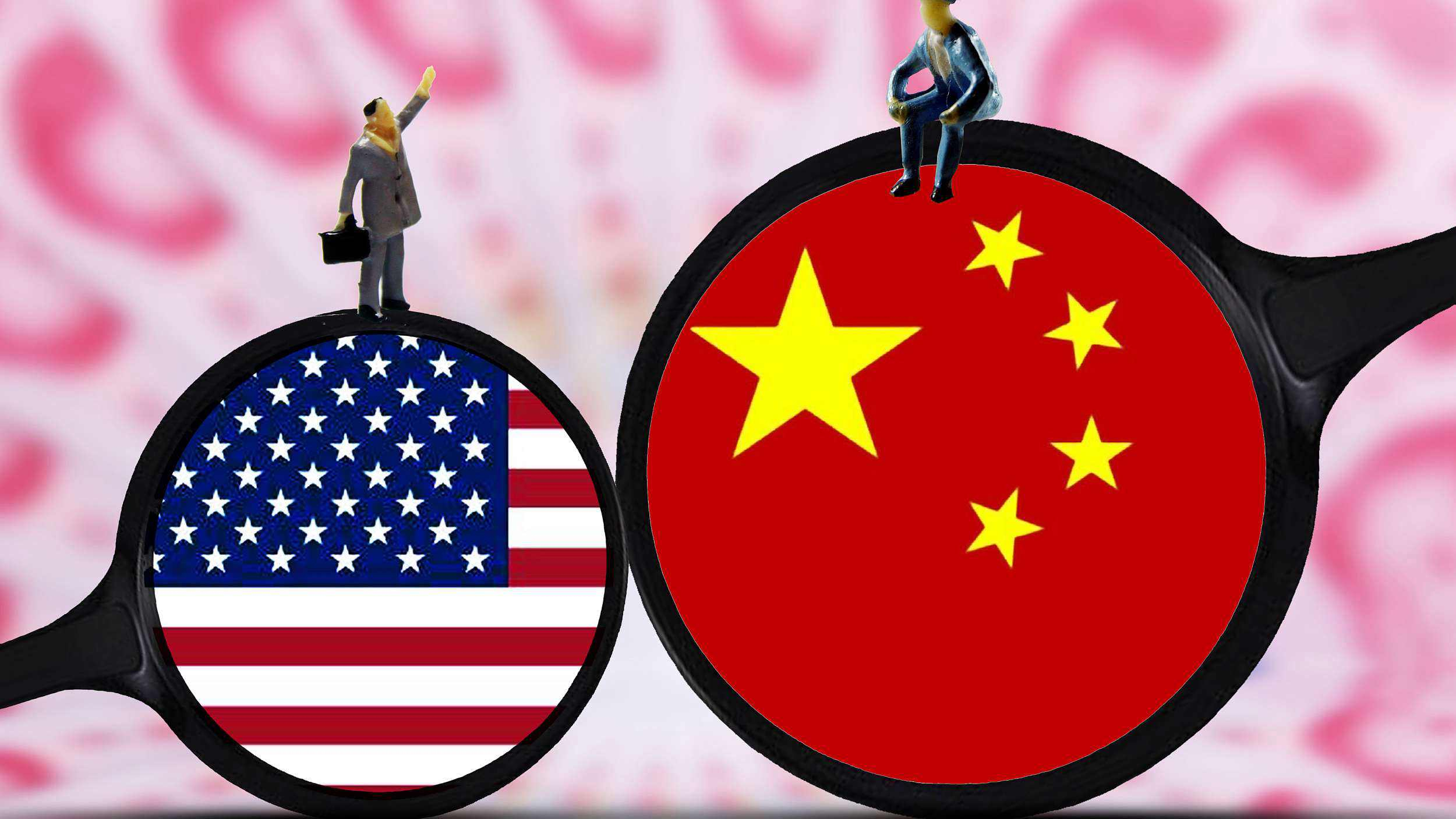
Cong reiterated a pledge made by the Politburo of the Communist Party of China last month that the country will still meet this year’s economic growth target of around 6.5 percent, despite the trade war.
The spokesman maintained that the government will push ahead with its structural deleveraging in a gradual and orderly way.
Cong also said China would resolutely curb property price rises.
“We still have sufficient capacity to cope with impact from escalating trade frictions, and ensure the successful completion of the economic and social development goals set at the beginning of the year,” the spokesman said.
At the start of this year, Chinese leaders had made risk and debt reduction their top priority, even if it led to somewhat slower growth.
That scenario appeared to be playing out roughly to plan earlier in the year, before the trade war erupted, with growth easing only slightly to 6.7 percent in the second quarter year-on-year.
It sees growth cooling to 6.5 percent and 6.3 percent in the third and fourth quarters, respectively, as tougher US tariffs start to bite.
So far, official data shows trade frictions have had limited impact on the economy, and any impact from higher tariffs will be “controllable,” Cong said
Source(s): Reuters