
Opinions
14:44, 12-Jul-2018
Opinion: Why are more US enterprises seeking cooperation with China?
Updated
13:52, 15-Jul-2018
 ["china"]
Share







Copied
Editor’s note: The article first appeared on China Plus on July 12. It reflects the author's opinion, and not necessarily the views of CGTN.
On July 10, the US Trade Representative announced that Washington was preparing to impose 10 percent tariffs on another 200 billion US dollars’ worth of Chinese imports. If the additional duties take effect, more than half of Chinese imports will not be able to enter the American market.
Lately, more and more American companies and people have seen the adverse effect brought about by the White House's "trade terrorism" policies, and have begun to seek long-term cooperation with China.
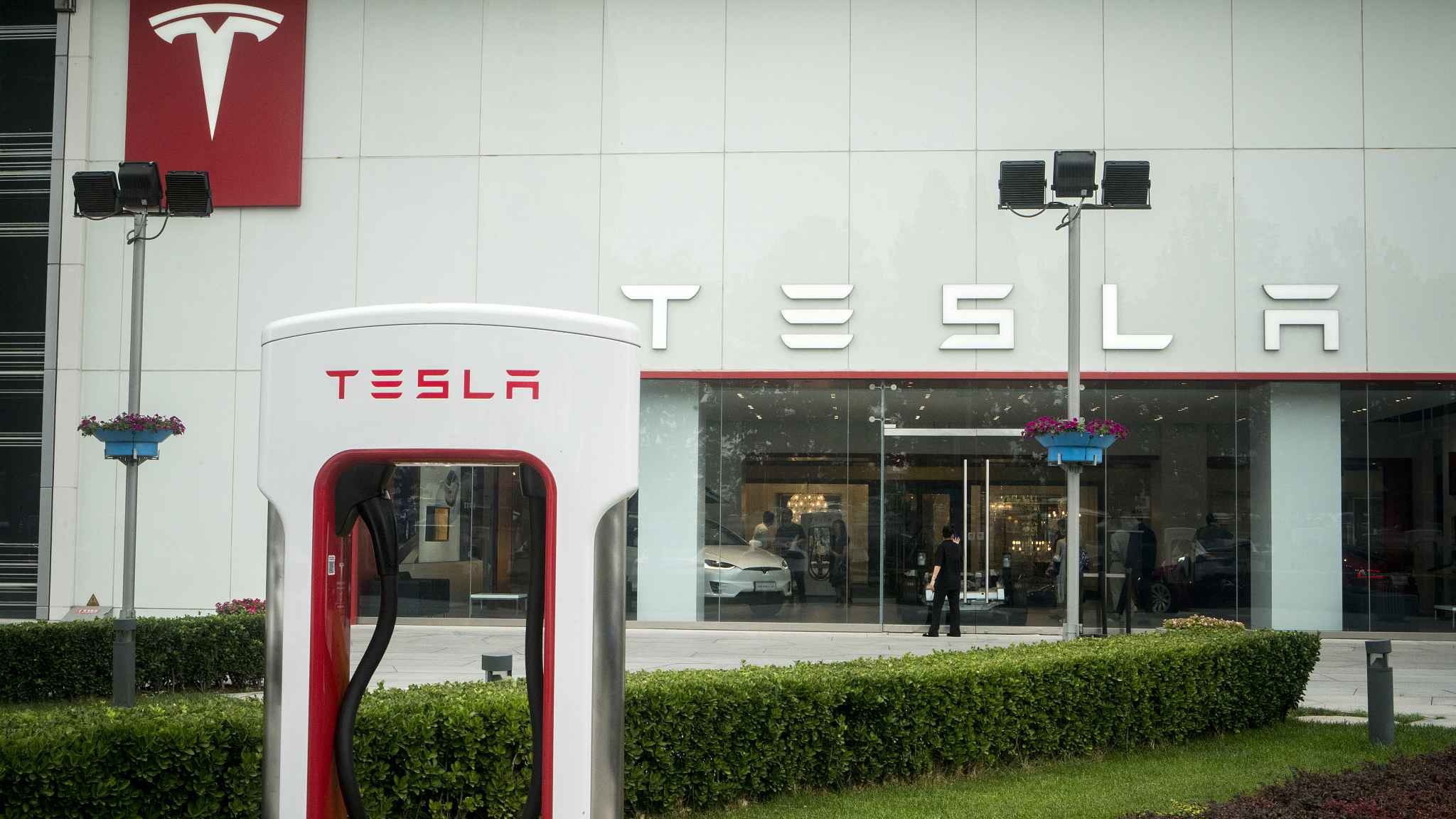
On July 10, US electric car producer and energy firm Tesla signed an investment agreement with the Shanghai municipal government on a pure electric vehicle project, planning to build its first overseas plant in China.
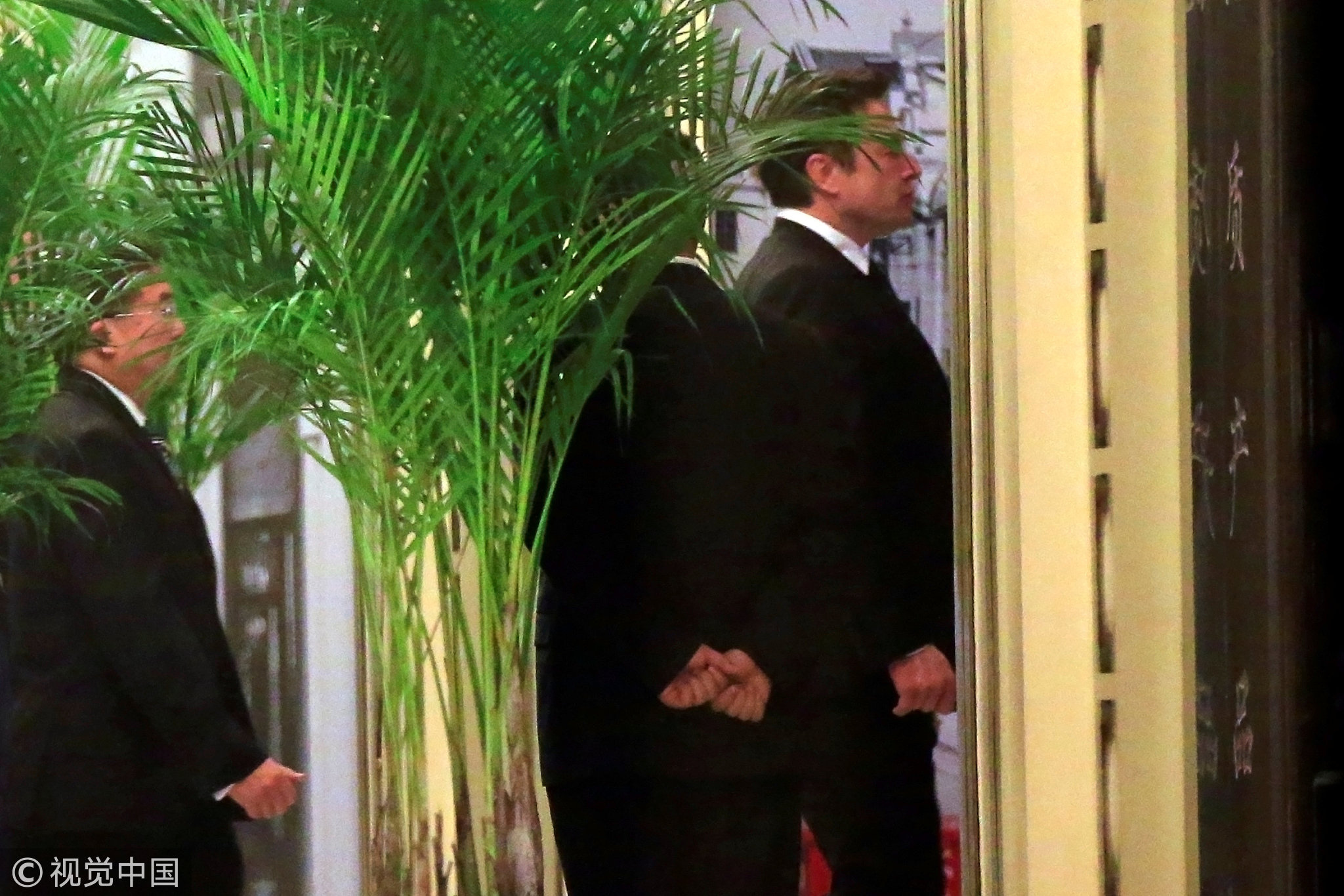
Tesla CEO Elon Musk leaves the Peace Hotel in Shanghai, China July 10, 2018. /VCG Photo.
Tesla CEO Elon Musk leaves the Peace Hotel in Shanghai, China July 10, 2018. /VCG Photo.
The factory has a planned annual capacity of 500,000 electric cars, and construction will begin early next year.
On July 11, Chicago Mayor Rahm Emanuel, leading a trade and business delegation to China, signed the "2018-2023 Key Sectors Joint Work Plan" in Beijing with eight Chinese cities, in a bid to further bilateral cooperation in key sectors including medicine and healthcare, advanced manufacturing, innovative technologies, financial services, agriculture, food and infrastructure.
This is the first five-year plan signed between the local governments of the two countries.
On one hand, the White House has kept imposing trade barriers on Chinese products, increasing its own consumers' expenses; on the other hand, famous US enterprises are seeking extensive cooperation with China.
This reflects the fact that although the White House's trade protectionist tendency is strong, many local governments and enterprises in the US have confidence in the Chinese market.
Tesla has been a pioneer and leader in the world regarding producing smart, luxurious electric vehicles.
In 2017, Tesla doubled its sales in China, the world's largest vehicle market, with sales surpassing 2 billion US dollars.
Chicago, with the third largest economic volume in the US, enjoys the biggest futures exchange in the world, with 20 percent of the world's commodities futures, including soybeans and cotton, trading there. The trade volume surpasses one trillion US dollars.
Since a joint working group on trade and investment cooperation between Chicago and eight major Chinese cities was set up in 2013, remarkable achievements have been made, such as an innovation center in Qingdao's Chip Valley, subway projects in Chicago conducted by CRRC Qingdao Sifang, warehouses set up by cross-border e-commerce firms from Hangzhou, and the Shanghai Shibei Hi-tech Park American Innovation Center.

Customers view Tesla Inc. Model S and Model X electric vehicles on display at the company's showroom in Newport Beach, California, US, on Friday, July 6, 2018. /VCG Photo.
Customers view Tesla Inc. Model S and Model X electric vehicles on display at the company's showroom in Newport Beach, California, US, on Friday, July 6, 2018. /VCG Photo.
All of those projects have significantly benefited both sides. Therefore, both American enterprises and local governments regard the Chinese market as important for achieving their ambitions.
However, the Trump administration is pouring cold water on them by wielding the "tariff stick." As such, coming to China to grasp the opportunities brought by China's expanding opening up and innovation-driven development has become their choice to create a better future.
From motorcycle maker Harley Davidson and Mid Continent Nail Corp to Tesla and the Chicago municipal government, there are more and more voices saying "no" to the White House's additional tariffs.
A few days ago, the Columbia Broadcasting System, taking iPhone for example, pointed out that China gains very low additional value from its trade with the US, thus it's pointless for the US to ignite a trade war against China.
Besides, the US Chamber of Commerce, as well as some senior congresspersons, have strictly criticized the government's latest moves to impose tariffs, warning that American families will eventually have to suffer.
In fact, the silent majorities of the political and business circles in the US are seeing the nature of the White House's trade policies, which is "egomania" and makes its policy makers focus only on partisan wars and votes while ignoring the interests of the public.
According to the Washington Post, 78 percent of the interviewees from the swing states, which will decide the results of this year's mid-term election, believe that a trade war against China is unfavorable for the prices of American goods.
As the negative effects of additional tariffs gradually emerge, more and more American people will wonder: Where will such a government, out of rationality, bring its nation and its people?