
Politics
23:02, 18-Oct-2018
EU: Brexit transition extension is likely
Updated
22:56, 21-Oct-2018
 ["china"]
Share







Copied
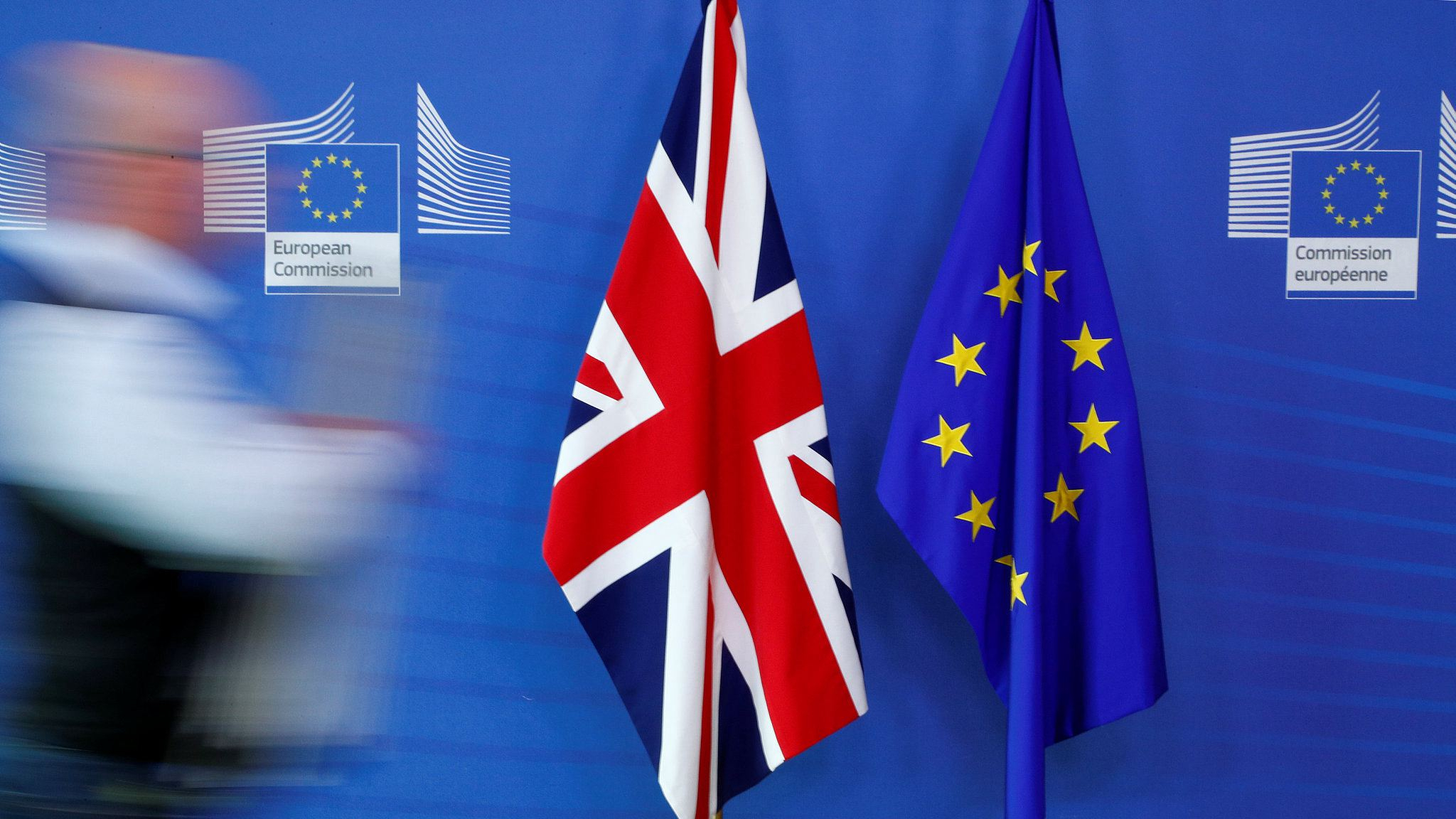
European Council President Donald Tusk said on Thursday that he was sure European Union (EU) leaders would respond positively to any request from Britain for a longer transition period after Brexit.
EU leaders met in Brussels on Wednesday and Thursday for the European Union leaders summit to discuss faltering progress in Brexit talks, ongoing immigration concerns, and internal security issues.
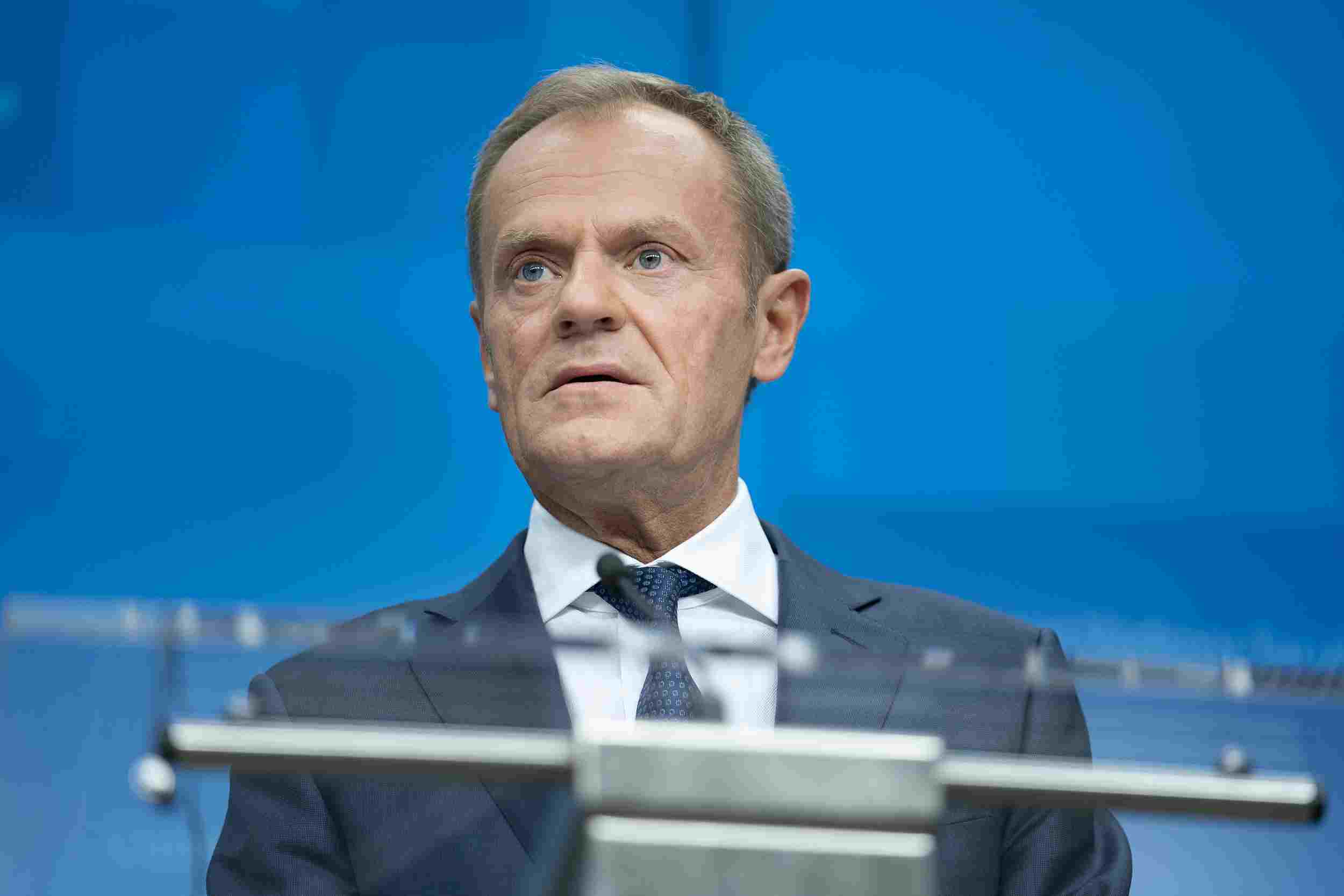
Donald Tusk, president of the European Union, speaks during a news conference at a European Union leaders summit in Brussels, Belgium, October 18, 2018. /VCG Photo
Donald Tusk, president of the European Union, speaks during a news conference at a European Union leaders summit in Brussels, Belgium, October 18, 2018. /VCG Photo
A longer Brexit transition
Speaking to reporters after a summit, Tusk said the issue of lengthening the transition from 21 months had not been discussed by leaders but noted that British Prime Minister Theresa May had originally spoken of a transition period lasting about two years.
A longer Brexit transition "probably will happen," European Commission President Jean-Claude Juncker also said.
To try to move the talks forward, May had earlier signaled she would consider extending a so-called transition period "for a matter of months" after Britain leaves the EU in March, a move her critics called a betrayal but one which the bloc welcomed.
Extending the transition period could mean that if a future partnership is not ready, a backstop, which so far has been unpalatable to the British side, would not have to be triggered.
But even an extension would not get rid of the EU's insistence that such a backstop must be agreed to secure a deal.
May remained optimist of a Brexit deal realized eventually.
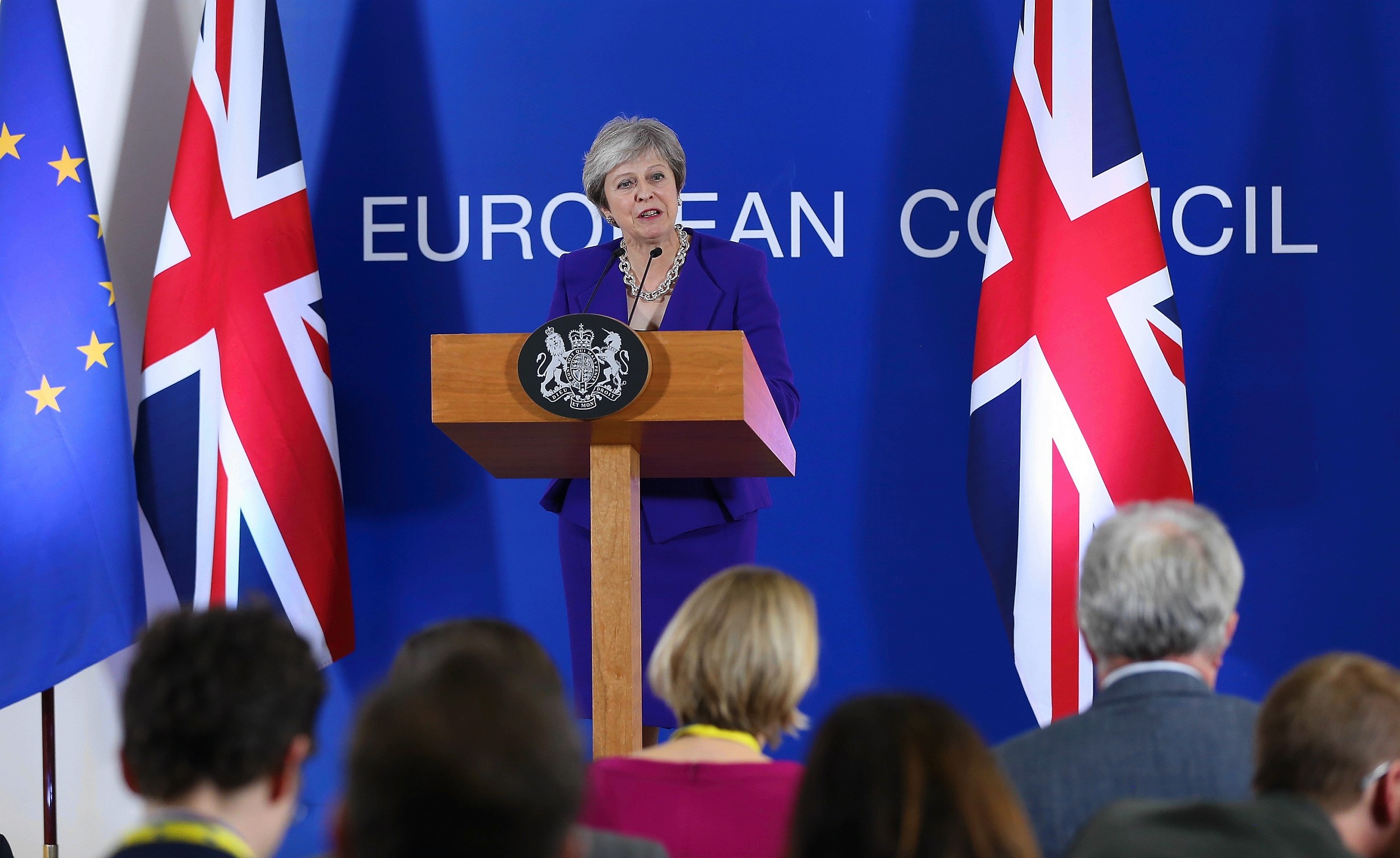
British Prime Minister Theresa May holds a press conference after the second day of European Union leaders summit at the European Council in Brussels, Belgium, October 18, 2018. /VCG Photo
British Prime Minister Theresa May holds a press conference after the second day of European Union leaders summit at the European Council in Brussels, Belgium, October 18, 2018. /VCG Photo
She said: "There is a lot of hard work ahead, there will be more difficult moments as we enter the final stages of the talks, but I'm convinced we will secure a good deal that is in the interests of the UK and of the EU."
UK Labour leader Jeremy Corbyn said: "The prime minister has today failed to meet the deadline she herself set for a Brexit deal."
As it stands, the transition period is due to end in December 2020.
Read more:
Cooperation on immigration
European leaders also tackled the topic of migration on Thursday, an issue that has troubled the EU since 2015 when a million migrants arrived on the continent fleeing conflict and other disruptions in their home countries.
The Summit joint position did note that, according to their data, illegal border crossings into the EU had been reduced by 95 percent since its 2015 peak.
The Summit called for increased cooperation with both countries of origin and transit, focusing particularly on North African countries.
Cyber security concerns
Internal security also made the agenda, with leaders particularly concerned after recent cyber attacks against the Organization for the Prohibition of Chemical Weapons (OPCW) in The Hague.

The logo of the Organization for the Prohibition of Chemical Weapons (OPCW) is seen during a special session in the Hague, Netherlands June 26, 2018. /VCG Photo
The logo of the Organization for the Prohibition of Chemical Weapons (OPCW) is seen during a special session in the Hague, Netherlands June 26, 2018. /VCG Photo
In response, along with other modes of reinforcing cooperation across the EU, leaders called for further strengthening of the EU's deterrence, resilience and response to hybrid, cyber as well as chemical, biological, radiological and nuclear (CBRN) threats.
"In this context, we ask ministers to work on a sanctions regime that will be specific to cyber attacks. Such a regime should help to protect our citizens, companies and institutions from all sorts of cyber security threats," said Tusk in his remarks after the summit.
(With inputs from agencies)