
Business
11:58, 18-Sep-2018
How China addressed the 2008 recession and future challenges
Updated
11:28, 21-Sep-2018
 ["china"]
Share







Copied
03:33
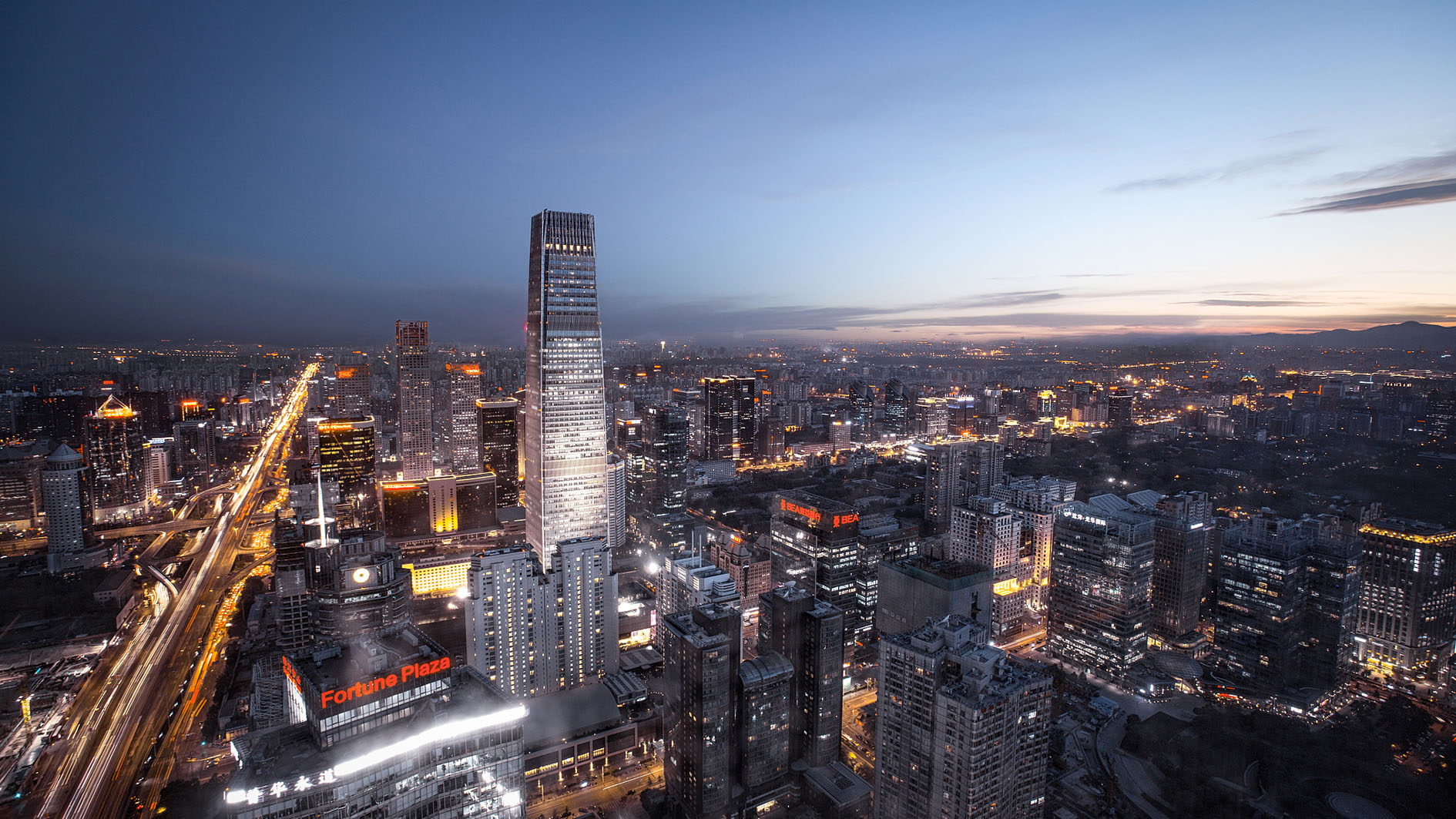
Ten years ago, the world faced the worst global financial crisis since the Great Depression as America's fourth largest investment bank Lehman Brothers fell from grace. The problem was – the banks took on too many risks giving out mortgage loans without being able to distinguish which was bad and which meant returns. The crisis rapidly spread from the financial industry to the rest of the world.
With financial institutions collapsed, stock markets slumped, and liquidity squeezed, major advanced economies adopted loose monetary policies. Some countries began to use zero-interest-rate policy and let the central bank to purchase the government bonds after that. On the fiscal policy side, some made massive tax cut and increased the fiscal expenditures to stimulate the economic growth. After this massive macro policy package, the macroeconomy did stabilize.
During the worldwide economic downturn, China has become an important engine in keeping economic and social development on track. The Chinese government rolled out a four-trillion-yuan stimulus plan with a massive investment in infrastructure and real estate.
Commercial banks were also encouraged to lend. Thus, the Chinese economy not only survived but also thrived during and after the crisis, becoming the world's second-largest economy. The growth was not only embodied in the export sector but also in domestic demand sector, said Shen Jianguang, the vice president and chief economist of JD finance. In the last 10 years, China became the largest exporter of the world, and he forecasts that Chinese retail sales will exceed US retail sales to be the largest retail market in the world.
"And we see the huge achievement in mobile payment system, the e-commerce sector, AI sector, lots of high-speed train network," he added.
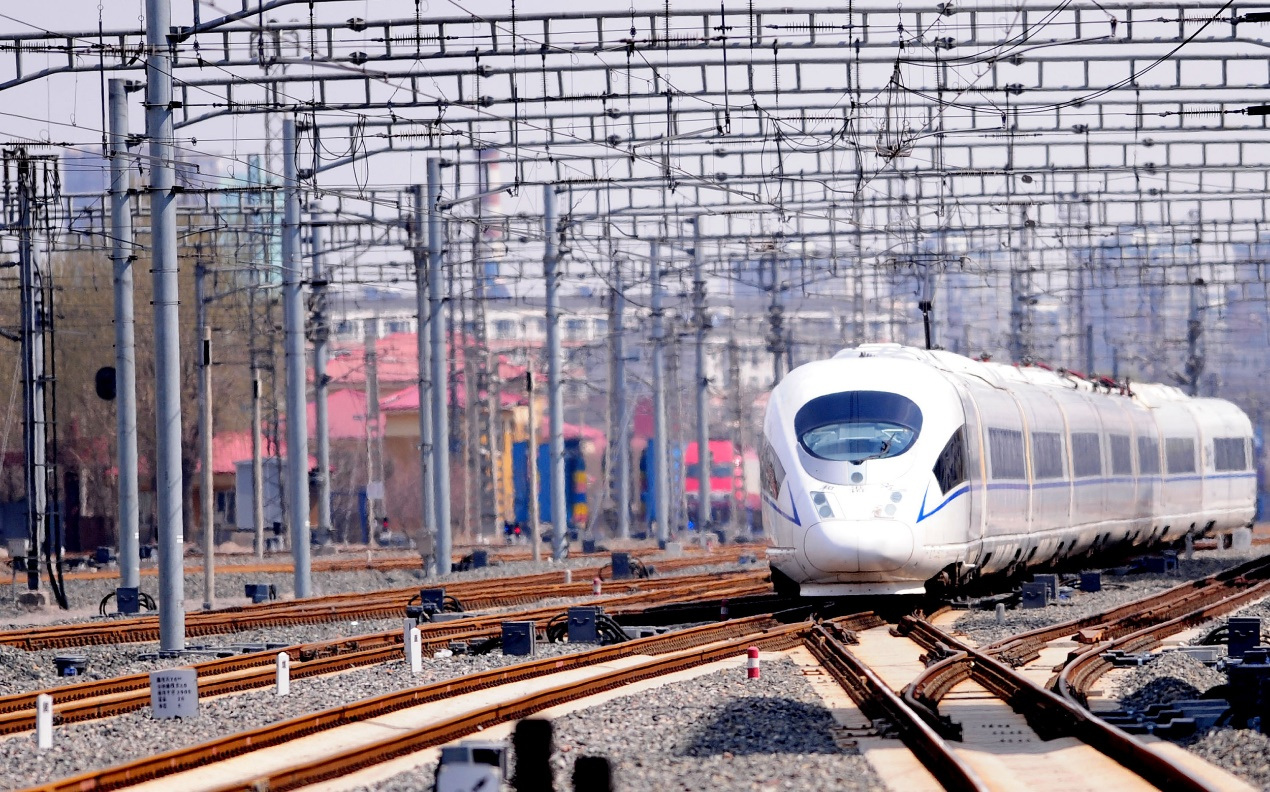
High-speed railway in NE China / VCG Photo
High-speed railway in NE China / VCG Photo
Despite the achievements, lingering effects of the crisis and side effects of counter-crisis measures continue to surface. The country's growth efficiency of the macroeconomy had decreased as it had relied on massive investment in the real estate and the infrastructure sector to stabilize the economy, said Zhang Ming, the director of International Investment Department at CASS Institute of World Economics and Politics.
Apart from that, the SOEs and the real estate development had raised a huge amount of debt in the past decade, according to Zhang. Experts believe the accumulation of government debt has made it a big challenge today to deal with the debt issue. After two years of deleveraging, the Chinese economy slows down, and problems like shadow banking seem to emerge in the financial sector.
In a global sense, the US economy is now thriving at over four percent a decade later, and the European Union at some two percent. But has the global economy got back on track?
The emerging markets, having got massive capital inflow from excess liquidity on the global market, now face the same pressure as the year of 1998, said Zhang. That comes after the interest rate hikes of the US FED as advanced economies stopped the fiscal stimulus package and exited from the loose monetary policy.
Zhang mentioned that this year the Argentina Peso and the Turkey Lira had depreciated against US dollar for over 30 percent or even 40 percent, which could already be called a currency crisis. Zhang also pointed out that the persistent stagnation of the post-crisis world economy had become a hotbed of protectionism and unilateralism. And that will cut down the channels whereby the emerging markets share the spillover effects of the economy's fast recovery. To avoid economic turmoil, China has carried out multilateral cooperation, through the G20, Belt and Road Initiative, and investment treaty with the EU.
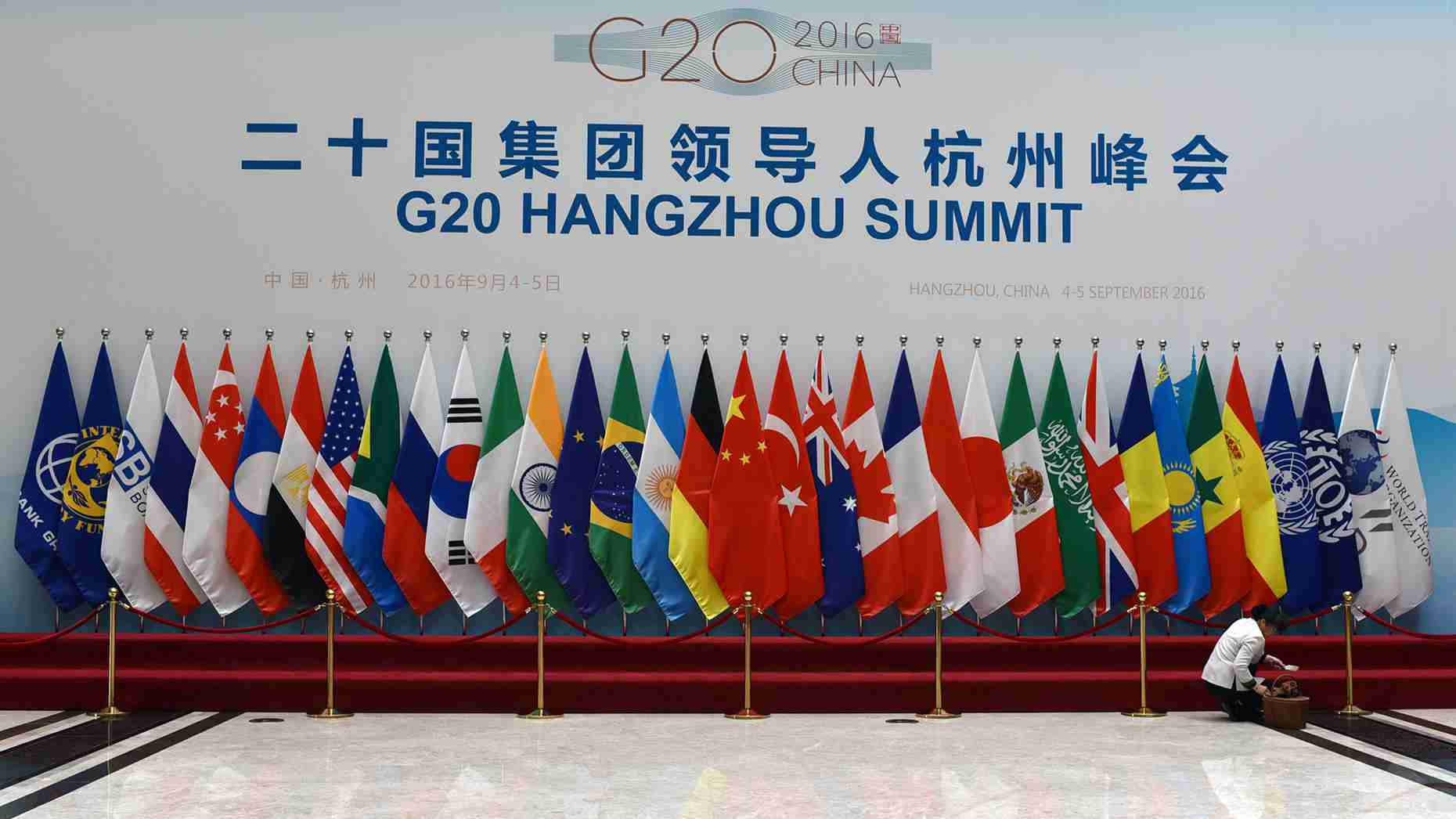
The reception hall once held G20 Hangzhou Summit in 2016. / VCG Photo
The reception hall once held G20 Hangzhou Summit in 2016. / VCG Photo
It is believed to be good for China to make the economy more globalized as the Chinese economy is very much dependent on the global economy nowadays, Shen expressed. "China can also increase their export market, not just concentrated too much reliance on the US market and other developed economies," he added, "And it can be a win-win solution. Some economies already benefited from Chinese investment, improving infrastructure to get some manufacturing capacity from China."
Looking back while moving forward, China has gone through some of the world's most devastating financial crises since the reform and opening-up period. But the country has continued its steady economic growth over the past four decades.
A big lesson learned from the past crisis is that monetary policy cannot solve everything, experts expressed. As long as China sticks to the right policies and countermeasures without being impacted by external threats, they believe it can turn pressure into a driving force.