The Buk missile that shot down Malaysia Airlines Flight MH17 was brought in from Russia and fired from the village of Pervomaysk in eastern Ukraine, an area under the control of pro-Russian rebels, according to the report of the Joint Investigation Team (JIT) released on Wednesday.
The investigation team said they found conclusive evidence from pieces of wreckage, radar images, intercepted phone calls, witness accounts and material gathered on social media.
Russia rejected the report, and its spokesman for the Ministry of Defense Igor Konashenkov said that all data presented by the JIT is based on sources from the Internet or Ukrainian security services, the objectivity of which is doubtful.
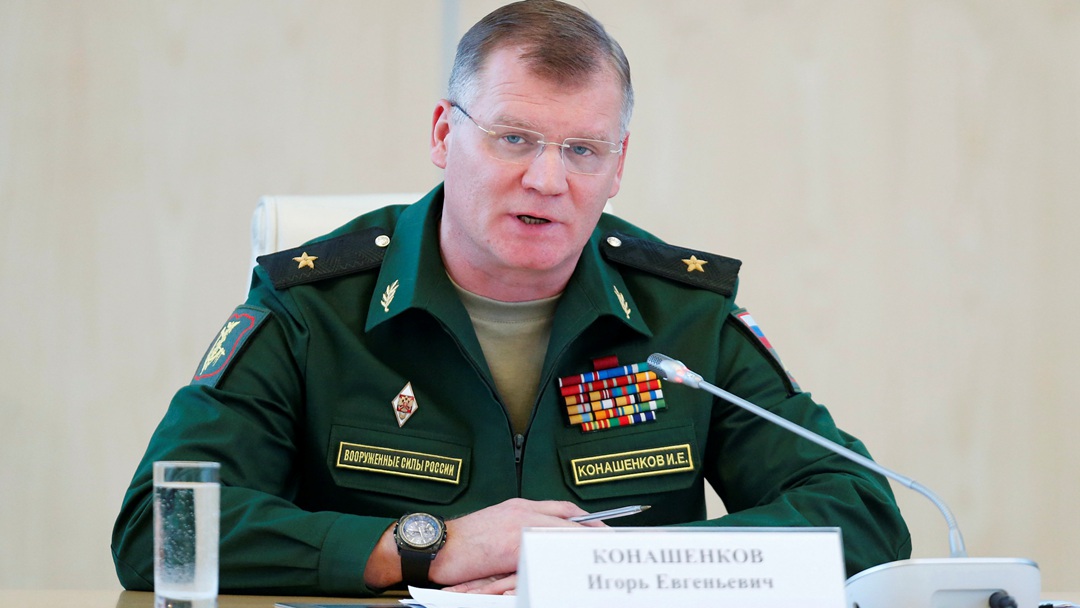
Spokesman for the Russian Defense Ministry, Major-General Igor Konashenkov speaks during a news conference on Sept 26, 2016, about the crash of flight MH17, Moscow, Russia.
Radar data unveiled by Russia’s Ministry of Defense earlier this week claimed that if the plane was shot down, it was by Ukrainian forces.
The JIT, consisting of prosecutors from the Netherlands, Australia, Belgium, Malaysia and Ukraine, said they were not about to make any statement about the involvement of Russia in the downing of the plane.
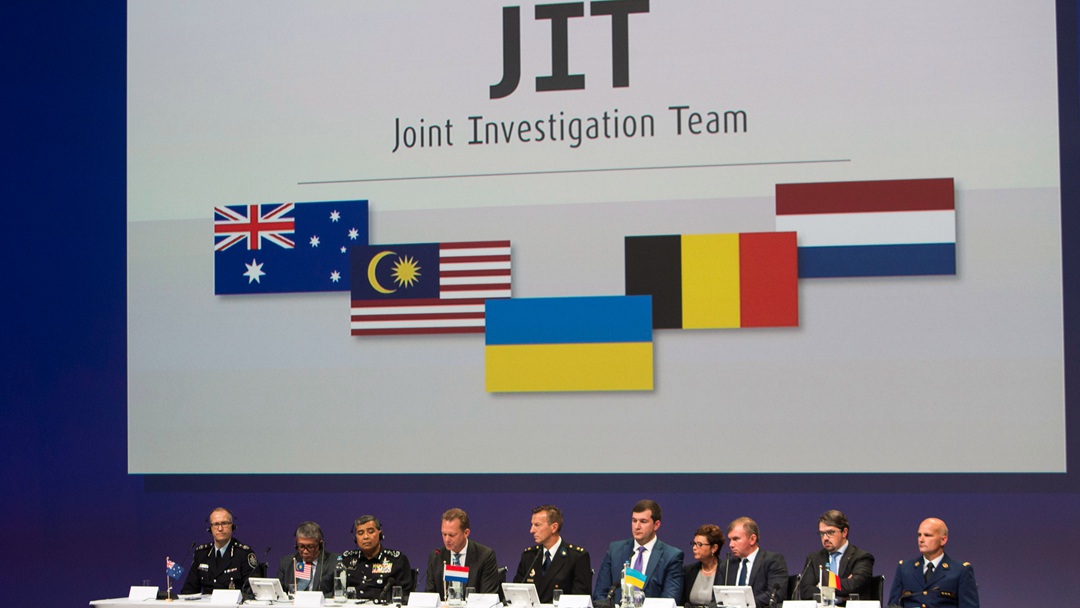
(L-R) Ian McCartney, Tan Sri Dato Khalid Bin Abu Bakar, Dato' Mohamad Hanafiah bin Zakaria, Wilbert Paulissen, Fred Westerbeke, Vitalii Maiakov, Dmytri Strorozhuk, Stanny de Vlieger and Frederic van Leeuw during the JIT's press conference on Sept 28, which presented the initial results of its criminal probe into the downing of Malaysia Airlines Flight MH17, in Nieuwegein, The Netherlands.
Family members of the victims are seeking justice, with many convinced that Russia had “to do some explaining,” according to Dennis Schouten, whose brother-in-law died in the catastrophe.
MH17 crashed in eastern Ukraine on July 17, 2014 while en route from Amsterdam to Kuala Lumpur, killing all 298 passengers on board, of which 200 were Dutch citizens.
