
Business
13:38, 25-Aug-2018
Chinese banks start renewed adjustment for stable yuan
Updated
12:41, 28-Aug-2018
 ["china"]
Share







Copied
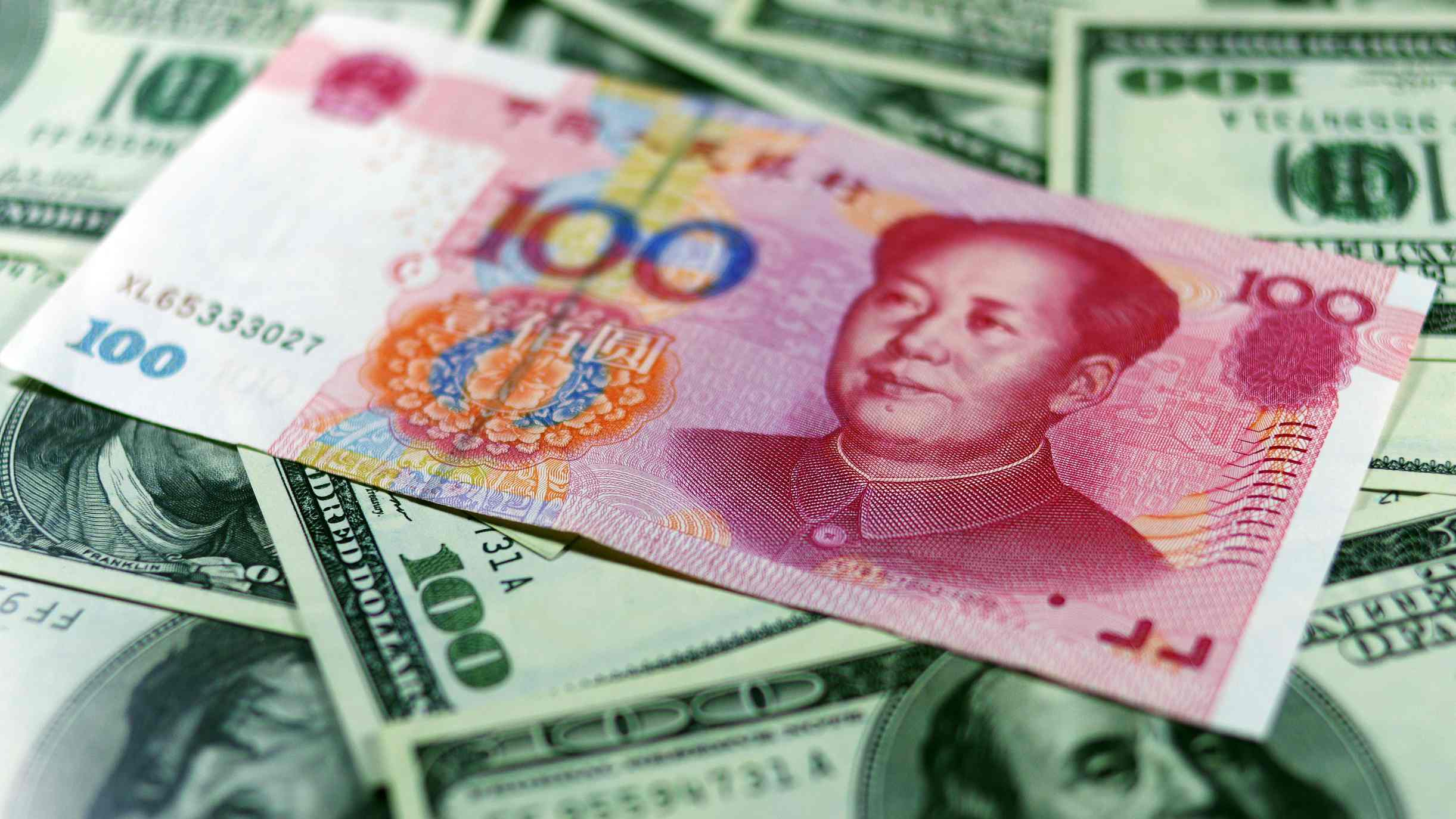
Chinese banks have resumed using "counter-cyclical" adjustment in the pricing mechanism of the currency against the dollar, the China Foreign Exchange Trade System (CFETS) said in a statement on Friday.
The Chinese yuan has weakened during the past months against the backdrop of escalating global trade frictions.
The adjustment will help the yuan remain stable at a reasonable and balanced level supported by a steady economy and a shift of growth drivers, said the CFETS.
A counter-cyclical adjustment acts in the opposite way to the conventional economic cycle or pro-cyclical. It intends to stabilize the economy by offsetting fluctuations in the regular cycle. That means reducing spending and raising taxes during a boom period, and increasing spending and cutting taxes during a recession.
Some insiders believe that the action is conducive to guarding against the devaluation pressure on the yuan, mitigating capital outflow and stabilizing the lackluster stock and bond market.
Last May, China's forex regulator introduced the counter-cyclical adjustment to the existing pricing model of the yuan's central parity rate against the dollar as a way of checking forex market fluctuations.
China suspended the counter-cyclical adjustment in January as the market returned to normal with yuan appreciation and balanced capital flows.