
Politics
09:22, 22-Sep-2018
US official in Russia probe suggested taping Trump: media reports
Updated
09:08, 25-Sep-2018
 ["china"]
Share






Copied
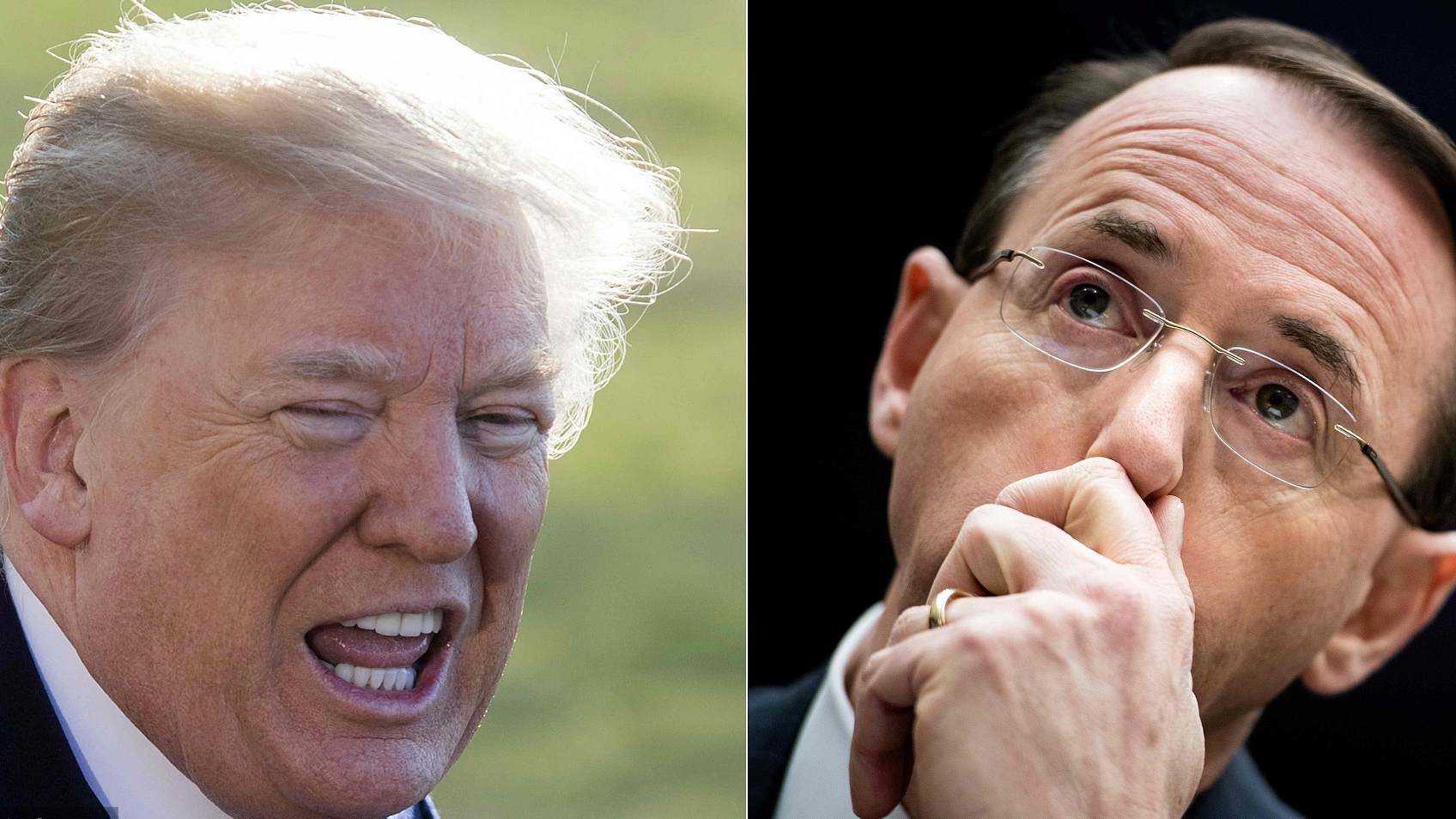
The US official who oversees the federal investigation into Russia's role in the 2016 US election suggested last year secretly recording President Donald Trump and recruiting Cabinet members to invoke a constitutional amendment to remove him from the White House, the New York Times reported on Friday.
Deputy Attorney General Rod Rosenstein made the suggestions in the spring of 2017 after Trump fired FBI Director James Comey, the newspaper said, citing its sources as people who were briefed on the events themselves or on memos written by FBI officials including Andrew McCabe, who became acting director when Comey was dismissed.
The proposals did not come to fruition, the Times said. The Washington Post also reported the discussions, citing memos written by McCabe.
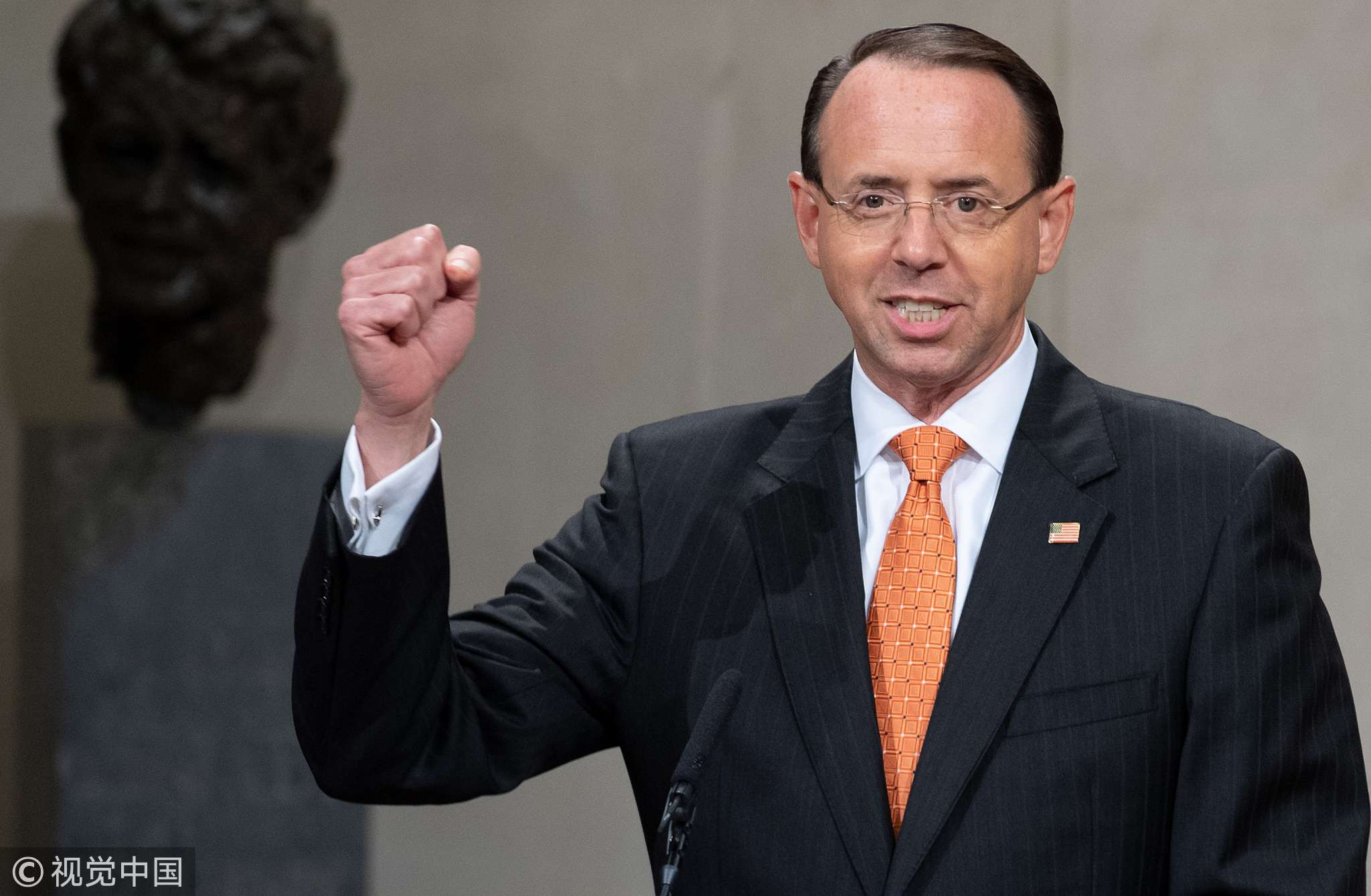
US Deputy Attorney General Rod Rosenstein speaks during the Second Annual Attorney General's Award for Distinguished Service in Policing at the Department of Justice in Washington, DC, September 18, 2018. /VCG Photo
US Deputy Attorney General Rod Rosenstein speaks during the Second Annual Attorney General's Award for Distinguished Service in Policing at the Department of Justice in Washington, DC, September 18, 2018. /VCG Photo
McCabe has no knowledge of how the memos were made available, said his lawyer Michael Bromwich.
Rosenstein denied the Times story as “inaccurate and factually incorrect” in a statement that also blamed anonymous sources promoting personal agendas.
"I will not further comment on a story based on anonymous sources who are obviously biased against the department and are advancing their own personal agenda.
"But let me be clear about this: Based on my personal dealings with the president, there is no basis to invoke the 25th amendment."
There was no immediate reaction to the reports from the White House and Trump did not respond to shouted questions from reporters about whether he would fire Rosenstein as he arrived in Springfield, Missouri, for a rally.
A Justice Department spokeswoman also provided a statement from a person who would not be identified and was present when Rosenstein proposed wearing a wire to record Trump, the Times said. The person said Rosenstein made the remark sarcastically.
Rosenstein initiated discussions about the US Constitution's 25th Amendment, the Times and Post reported. The amendment deals with presidential succession and disability and outlines how the Cabinet can decide whether a president can no longer do his job.
The Times said Rosenstein told Justice Department and FBI officials the secret recordings could be used to expose the chaos of the administration after revelations that Trump asked Comey to pledge loyalty to him and also divulged classified information to Russians in the Oval Office.
Source(s): Reuters