
Business
23:05, 25-Jun-2018
Cheaper imported drugs available as China further opens up medical market
 ["china"]
Share






Copied
02:09
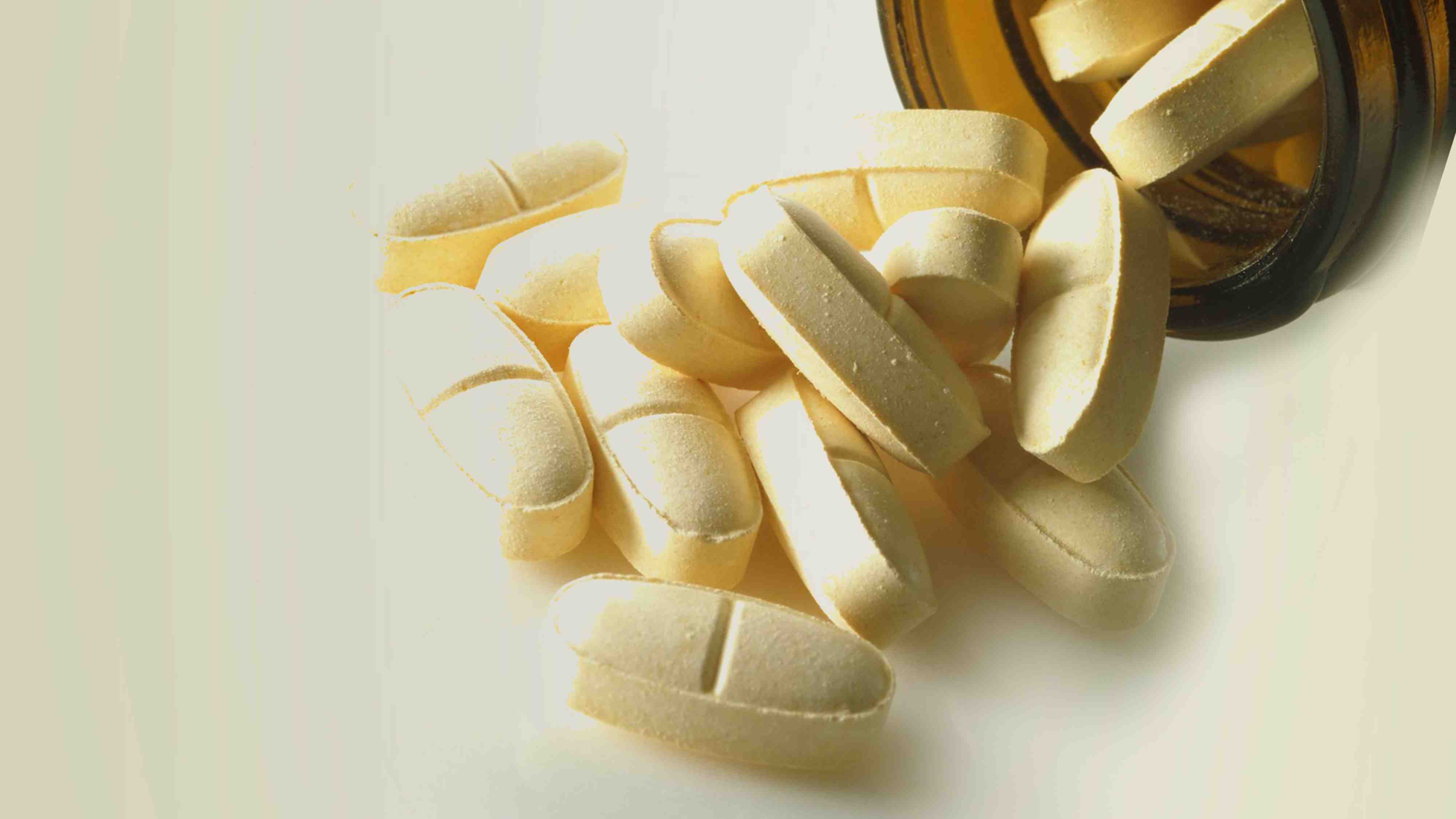
China lifted on May 1 tariffs on all imported common drugs, including those critical for cancer treatment, which is another major step in China's opening-up.
The removal of a three-to-six percent tariff and other policies will reduce the price of cancer drugs by up to 20 percent.
“There is a huge demand for imported drugs, especially cancer medicine,” said Zhang Jianping, director general of the center for regional cooperation at the Chinese Academy of International Trade and Economic Cooperation.
Currently, the total market value of Chinese cancer drugs is around 140 billion yuan (21.4 billion US dollars), one third are imported. By removing an average of five percent tariffs, Chinese patients can save around two billion yuan annually.
“By lowering tariffs, the prices go down. Therefore, Chinese citizens are the direct beneficiaries. And on the other hand, foreign drug companies can also expect a promising market share and revenue,” Zhang added.
In China, ten thousand patients are diagnosed with cancer every day. That's about seven confirmed cases every minute. Beijing's latest policies on cutting tariffs could save many lives. However, it will take time to be fully implemented.
The Food and Drug Administration said it has also given the green light to further simplifying the examination and approval procedures.
"We have sped up the examination of new drugs for rare diseases, as well as those most needed in clinics. These include anti-AIDS and anti-tumor drugs. In this way, these new drugs are expected to enter the Chinese market one or two years quicker." said Jiao Hong, deputy chief of the administration.
Foreign pharmaceutical manufacturers also welcomed the changes. Boehringer Ingelheim is one of them.
“From a pharmaceutical manufacturer's point of view, it's very clear that we are very delighted. This will aid us to further lower the prices of the drugs,” said Dave Preston, chairman of Boehringer Ingelheim China.
The company has been working with regulators and provincial government administrators to lower the prices for their drugs, and new tariff cuts will be a further step in the process.
Preston added, “Whatever the cut is, we will pass on the full cuts to the patients.”
Favorable policies on imported drugs are a win-win for both Chinese patients and overseas manufacturers. But by reducing entry barriers, China is opening the gates to overseas competition. With all these new drugs flooding into the Chinese market, how will companies at home be affected?
Zhang believes that it could lead to healthy competition, and the Chinese companies will be ready to go all-out in research and development, as well as putting more investment in it.
“They will also work hard to obtain their own intellectual property and establish brands. In the long term, it is beneficial to China's home-developed drugs and their global influence.” Zhang added.
The elimination of tariffs is only the first step. There are other measures in the works. And to save more lives and improve people's wellbeing, the Chinese government is set to further open up its medical market, for the benefit of both its people and the world.