
Tech & Sci
19:33, 09-Aug-2018
Former nomads find new life after relocation in Kubuqi Desert
Updated
19:06, 12-Aug-2018
 ["china"]
Share







Copied
02:50
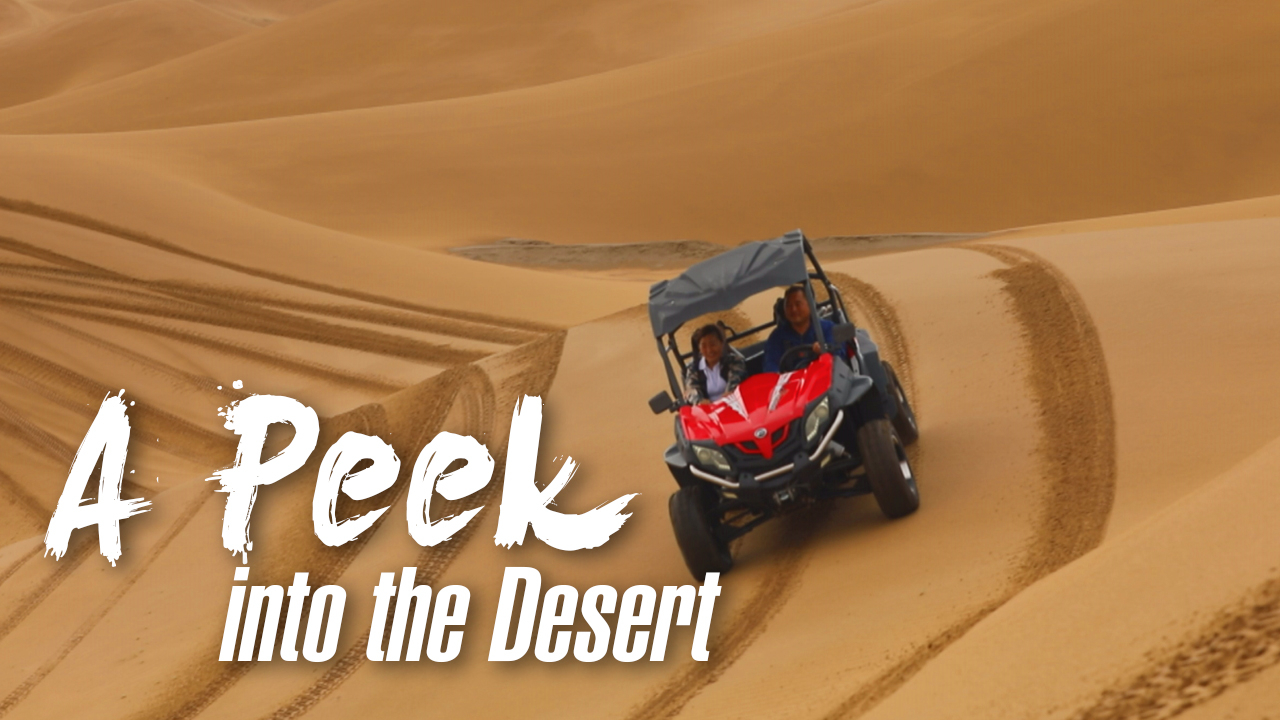
Forty-year-old Meng Ke Da Lai loves the trees he once planted in the Kubuqi Desert in northern China’s Inner Mongolia Autonomous Region. The tree planting area is just a few kilometers from his home.
Twelve years ago, Meng Ke Da Lai’s family lived in a small mud house in the desert, making a living by grazing livestock. Their life was seriously affected by desertification, with rapidly decreasing grassland for grazing and frequent sandstorms sweeping across his house.
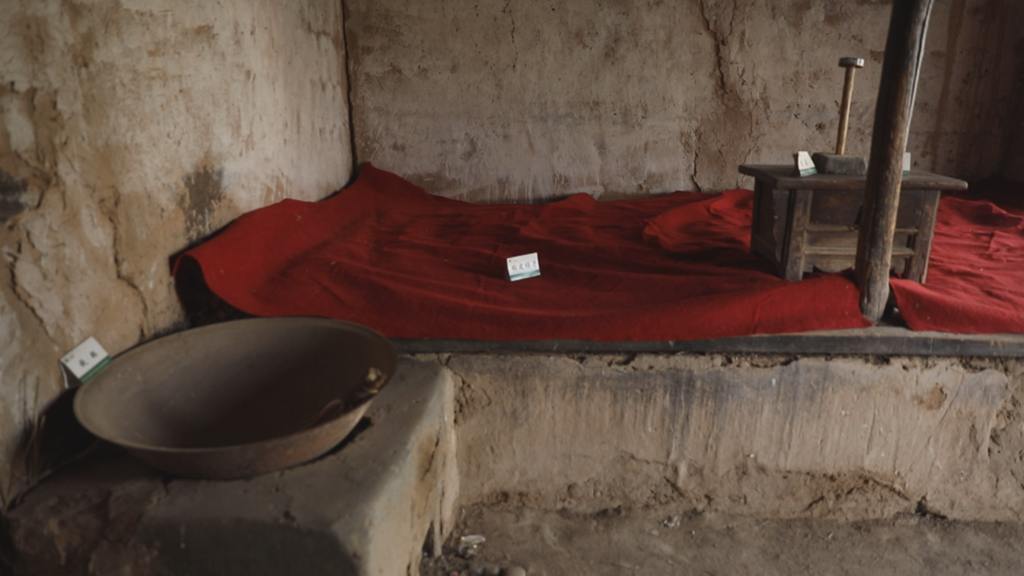
Living conditions were quite bad in the old mud houses of the nomads in Kubuqi. /CGTN Photo
Living conditions were quite bad in the old mud houses of the nomads in Kubuqi. /CGTN Photo
While the local government was relocating the village, in an effort to control the expanding desert, Meng and his family were reluctant to move.
“We were unwilling to move. We were the last family that moved into the new village. We were afraid we wouldn’t make any money in the new place,” Meng Ke Da Lai recalled.
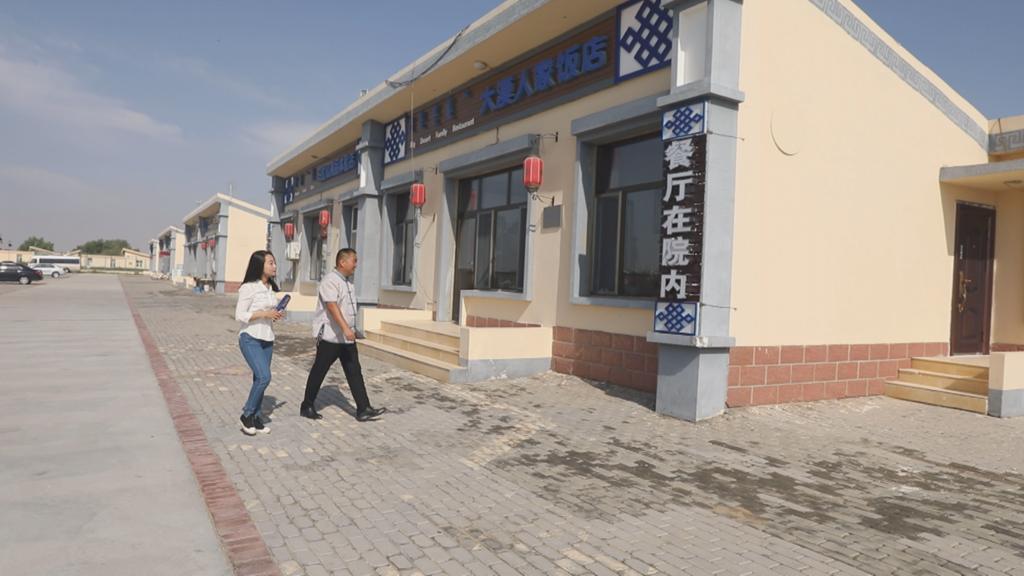
The new Dao Tu Ga Cha village for former nomads was established in 2006. /CGTN Photo
The new Dao Tu Ga Cha village for former nomads was established in 2006. /CGTN Photo
But his worries soon went away after they moved to their new home in 2006. Now he's known in the village for his business acumen, running a restaurant in his home and providing lodging for tourists. In peak seasons, he receives up to 200 visitors a day.
In the living room of his new big house with modern facilities, Meng Ke Da Lai treated us with a big bowl of homemade yogurt and he couldn’t resist taking a bite himself.
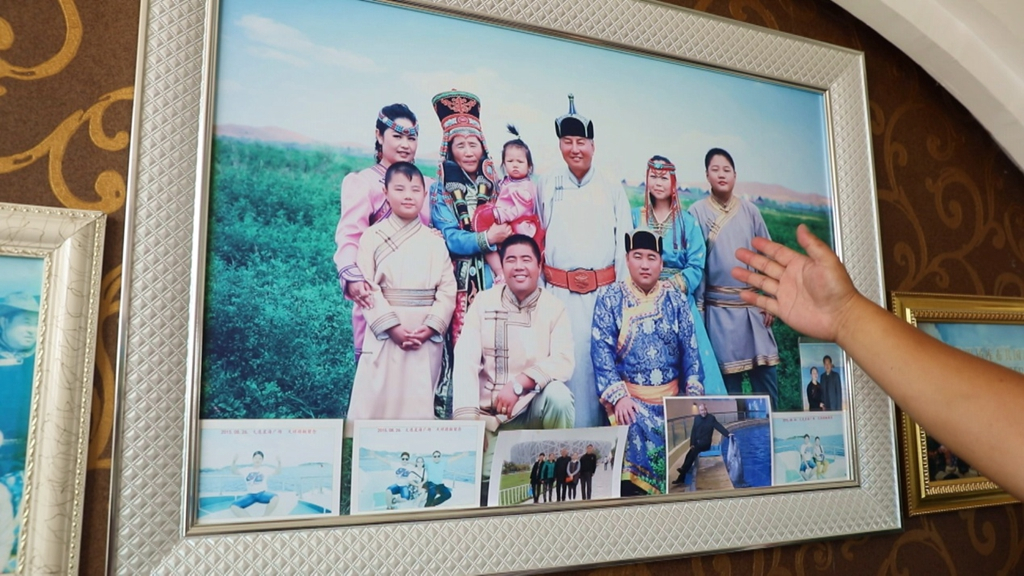
Meng Ke Da Lai’s family now only wear their traditional clothes on special occasions, like in festivals and when taking a family photo. /CGTN Photo
Meng Ke Da Lai’s family now only wear their traditional clothes on special occasions, like in festivals and when taking a family photo. /CGTN Photo
“In the past, we ate homemade yogurt to satisfy our hunger. Now we sell it to tourists to make money. The difference makes me feel very happy,” he said with a mouthful of yogurt.
The past three decades saw the desert turned green and fertile, and more roads were built. Beautiful views in the desert are attracting more and more visitors, which boosted local tourism.
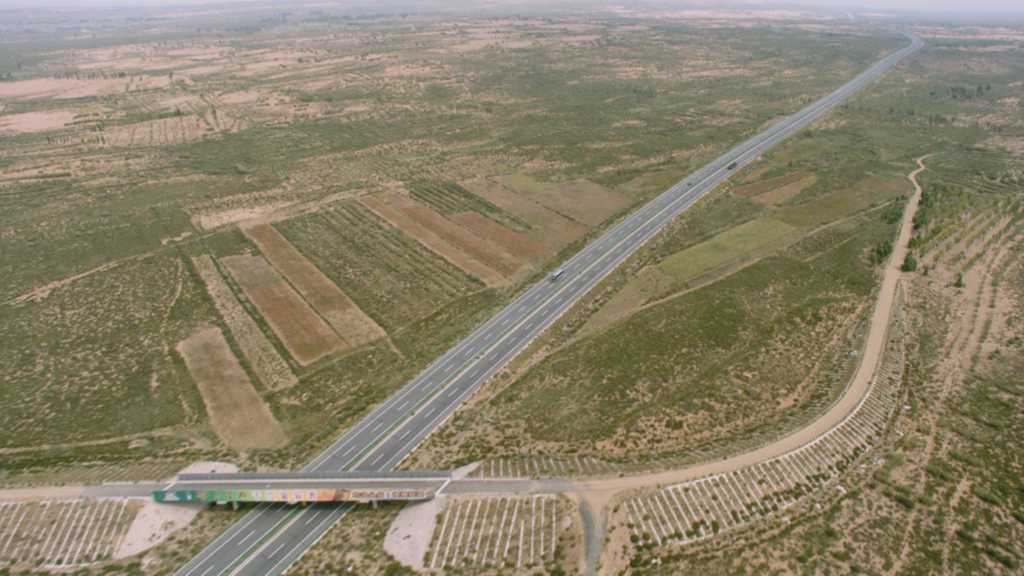
With its first road built in the 1990s, Kubuqi now has five roads in total across the desert, with a total length of 343 kilometers. /CGTN Photo
With its first road built in the 1990s, Kubuqi now has five roads in total across the desert, with a total length of 343 kilometers. /CGTN Photo
With a knack for doing business, Meng Ke Da Lai also started to run desert entertainment ventures, like sand motorcycling and boat tours in the lake. He also set up his own company in cooperation with 24 local families, setting up tours.

Tourists enjoy a boat ride in one of the seven lakes in the desert. /CGTN Photo
Tourists enjoy a boat ride in one of the seven lakes in the desert. /CGTN Photo
And the former nomad can still graze his livestock on a fixed yet more plush area of grassland. Now his family makes 300,000 yuan a year, 30 times their past income.
And Meng Ke Da Lai never forgets what turned this life in the desert around, which is planting trees. Now his family still plants trees across an area of two million square meters.
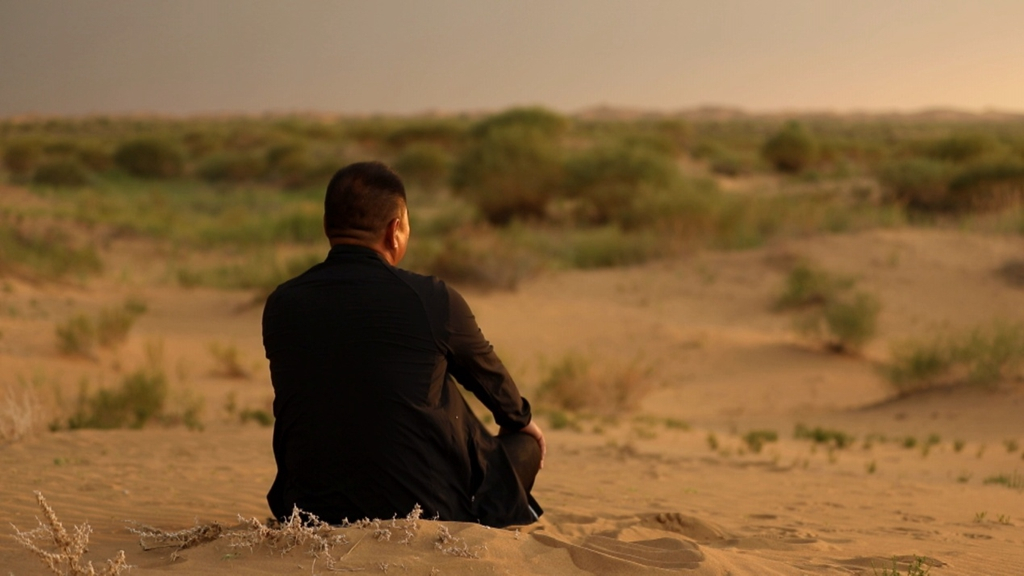
Meng Ke Da Lai often comes to see the trees he planted in the desert,which he says helps to ease his mind when he feels upset. /CGTN Photo
Meng Ke Da Lai often comes to see the trees he planted in the desert,which he says helps to ease his mind when he feels upset. /CGTN Photo
Looking at the trees he planted in the desert, he said,“the way to happiness is through the fight against desertification. We used to suffer poverty and felt inferior. But now with successful businesses, our mindset has changed and we feel so confident now.”
604km