SOCIAL


Is China's rigid education enrollment age headache for parents?
2017-03-02 15:22:46 GMT+8






Editor
Li Jing
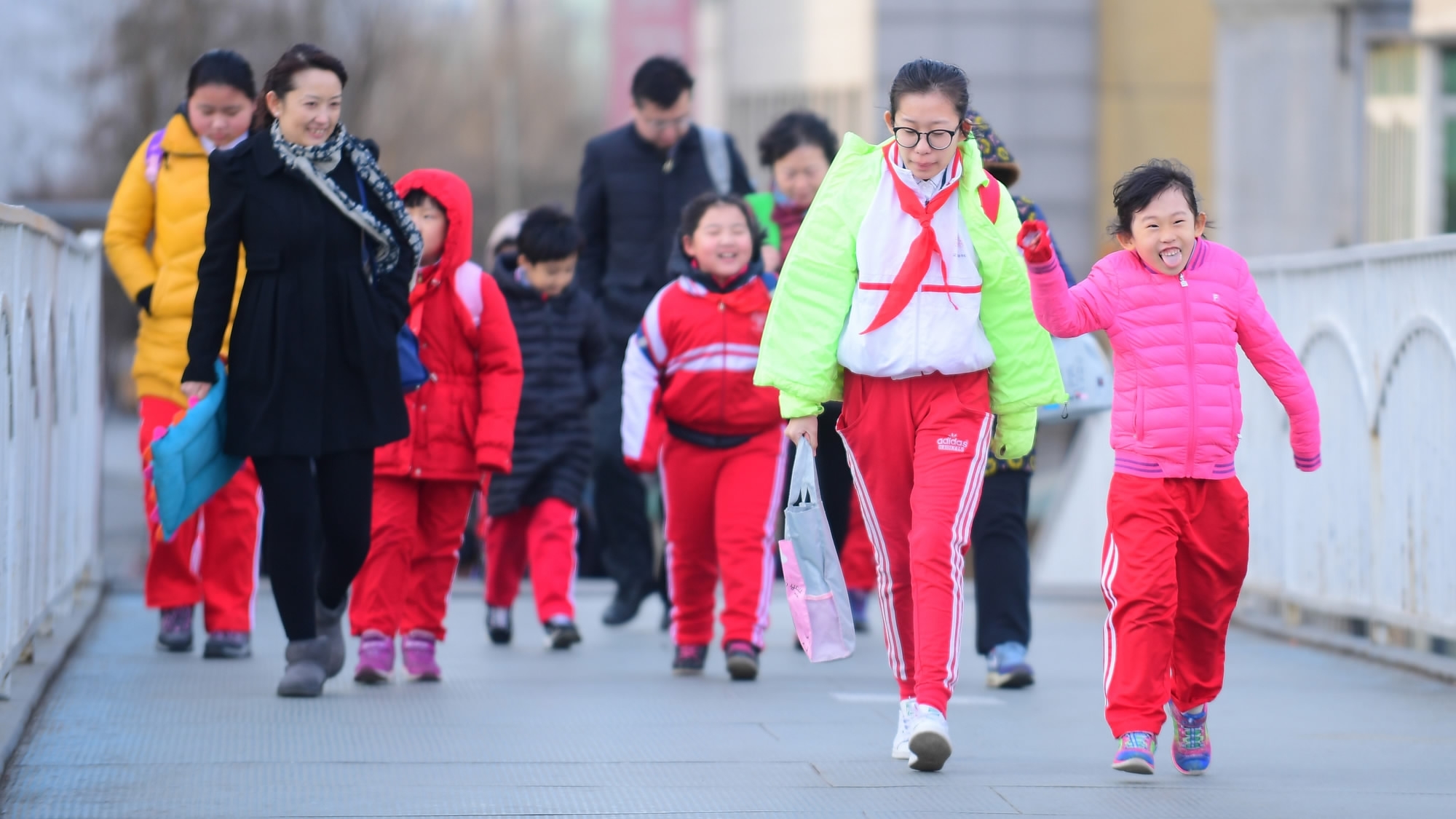
September 1 is a special day for many Chinese parents and children -- it's the first day of the school year. And any child who has turned six before August 31 are eligible to start the beginning of their nine-year mandatory education.
However, a recent notice from the Ministry of Education stipulated that provincial authorities can now decide the deadline of children's birthday for primary school entrance, which means they can change the birth dates so children become eligible for entering the formal education system in that school year. This new guideline has not only infuriated parents but is also contradictory to the national law that was enacted in 1992.
CFP Photo
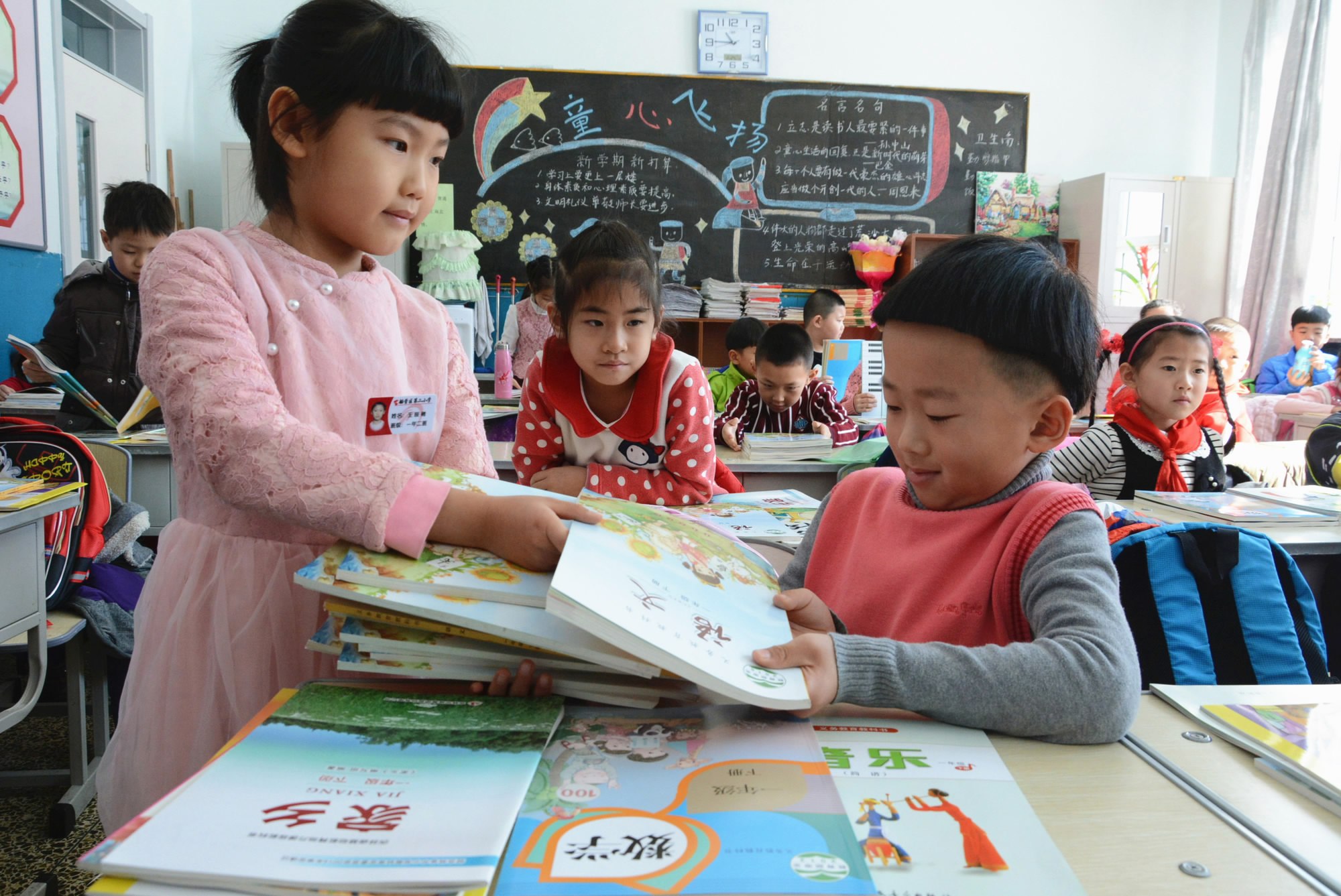
In the years that followed, while this law codified the entry system, many parents rushed to fit their lifestyle around it just so their children fit the government criteria and they turned six a day ahead of the September deadline.
This meant many women were opting for cesarean deliveries or even change their children's birth dates of certificates if they were born a few days or weeks after September 1. This move was aimed from saving their children of having to wait for the entire year to start school.
A Beijing resident surnamed Zhang, who gave birth at 8 a.m. on September 1, 2016, regrets that she didn’t choose to go for a C-section a day before, as the other two women at the same hospital room.
CFP Photo
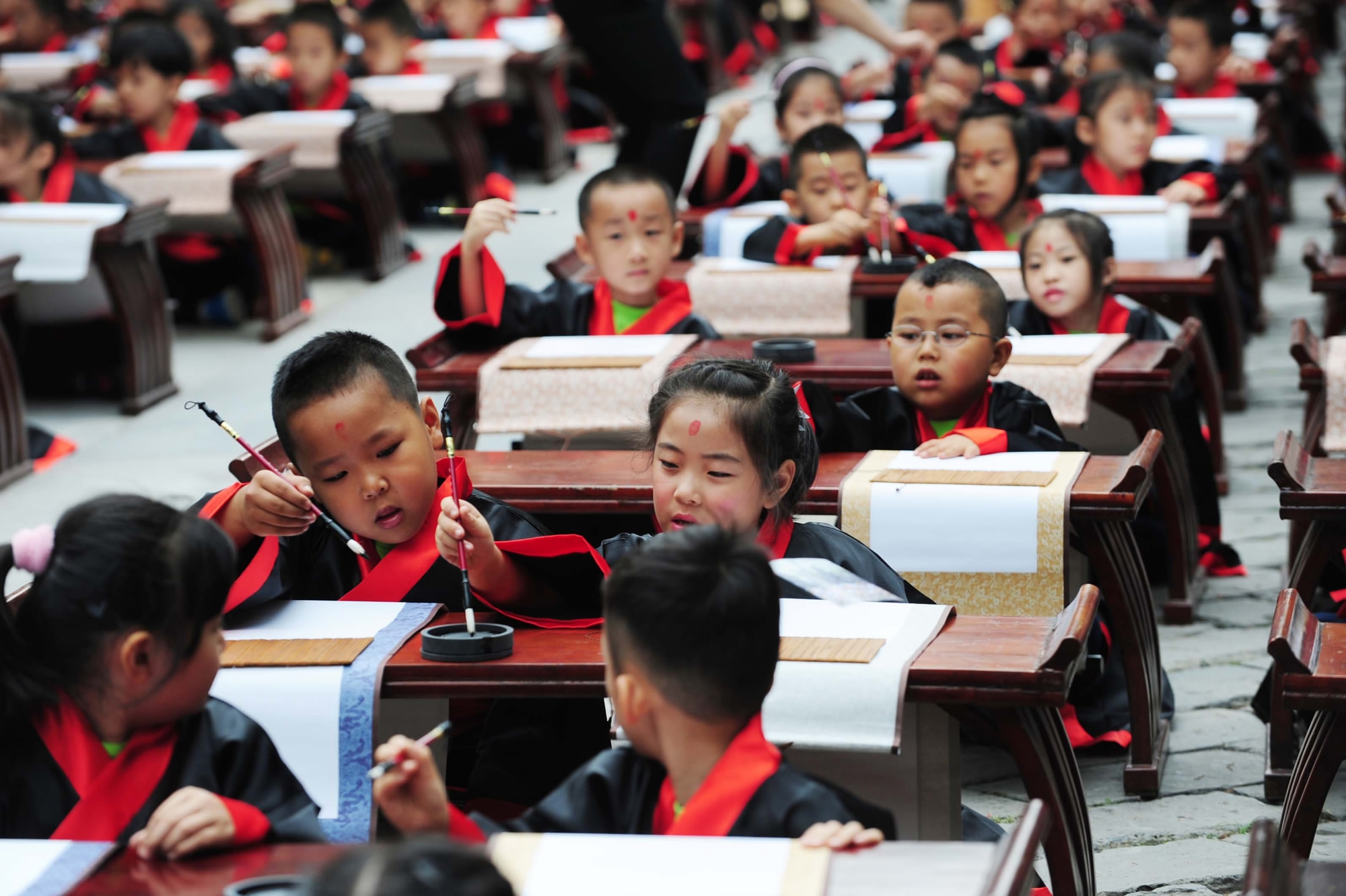
"If children’s physical and mental condition develop similarly with those born in August, they have to wait another year for being one day late. This is not humane," she said.
But not all parents think like Zhang.
Lin Jing lives in south China’s Guangzhou city, whose child was born on August 31, on the deadline day, but Lin waited for another year to send him to school.
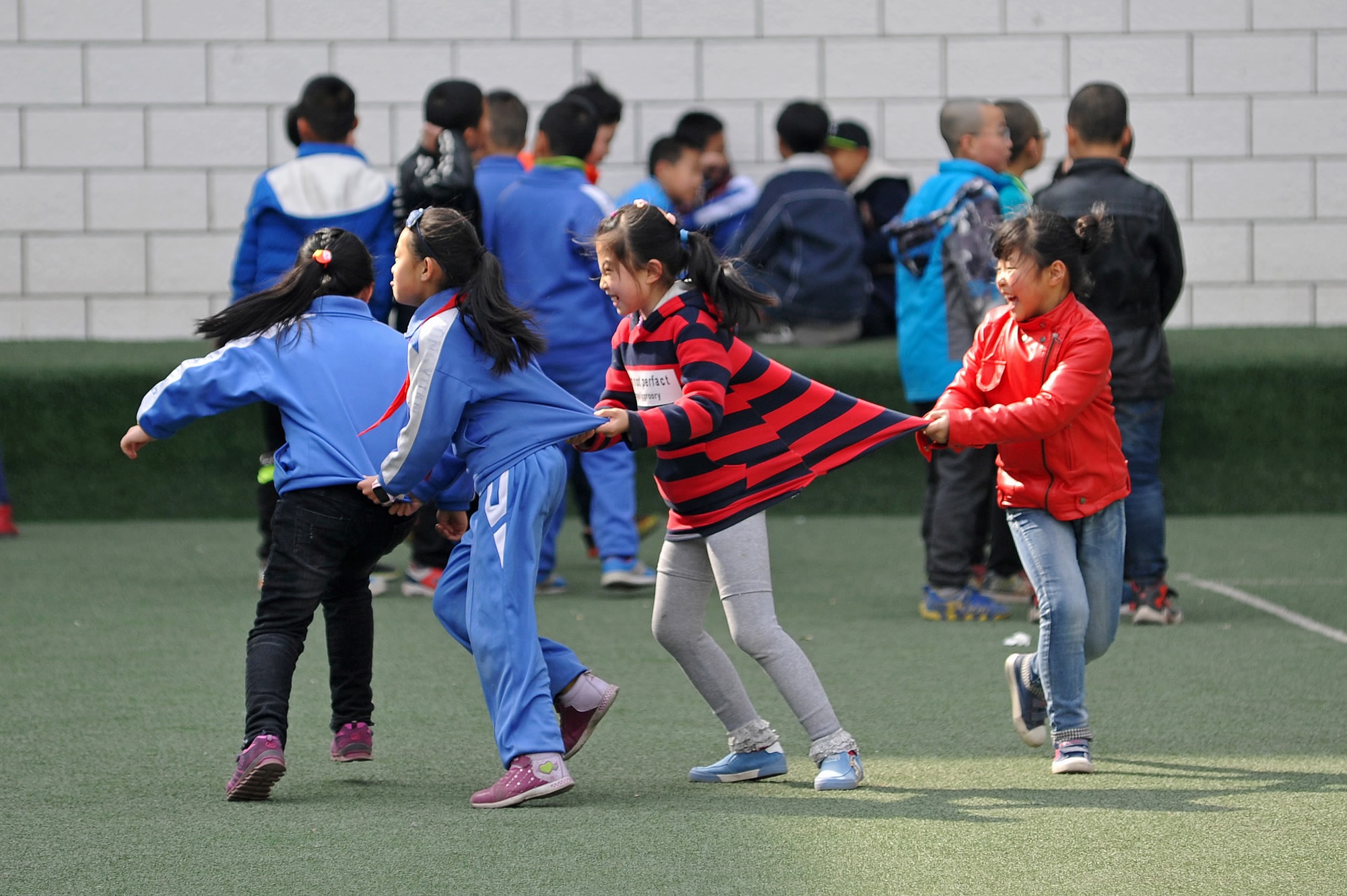
“I didn’t think he was mentally prepared for school at that time," she said. "It might be hard for him to adapt to school life and perform well, which could affect his confidence.”
CFP Photo
Amid growing concerns, some people have suggested pushing the deadline to December 31, and letting parents decide when to send their children to school.
However, Bai Shulan, president of Chongwen Elementary School in Beijing, says that it would not help.
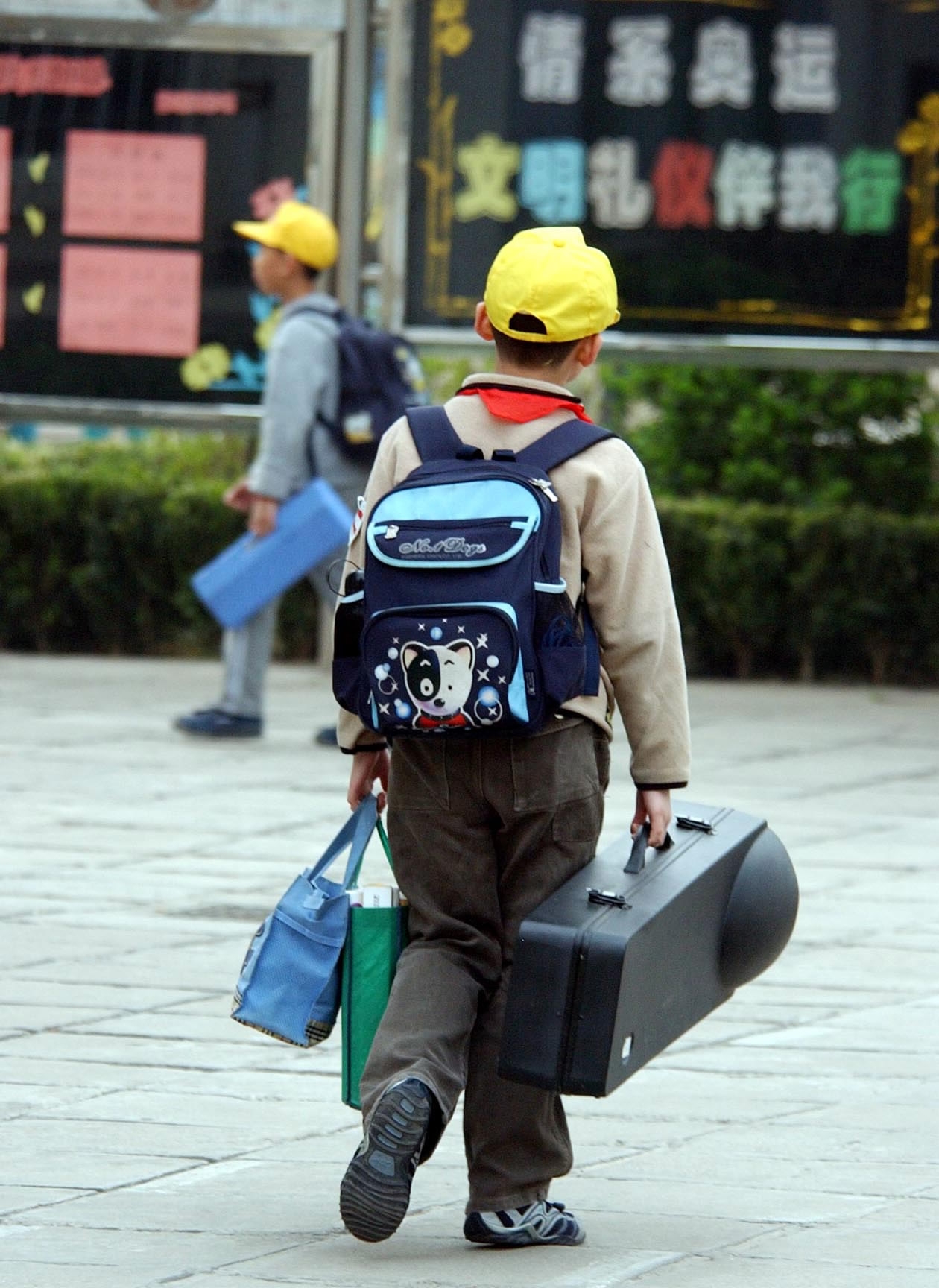
CFP Photo
“Whatever the date is, that's the deadline," Bai says. "Even if it is December 31, children born on January 1 the next year would feel that's unfair. There will still be a controversy."
On the other hand, the vice president of Shanghai Municipal Kindergarten believes it is better to maintain the status quo.
“We have seen enrollment peak in recent years," he said. "The current deadline helps authorities know the number of students. If it is changed, schools, teachers, textbooks, facilities and all other arrangements will have to change accordingly, even affecting kindergartens.”
Shanghai municipality, as well as provinces of Hebei and Liaoning, are reportedly going to stick to the current rule this year, while experts say this is not the first time for the Ministry of Education to give flexibility to provincial authorities.
Chu Chaohui, reseracher with the National Institute of Education Science, said the debate shows a great deal of public anxiety about the education system and parents do not have a rational attitude about their children’s growth, as many worry that their child would lose an opportunity if they don't meet the deadline.
Chu said most developed countries and regions allow children to go to school at flexible ages, ranging between five to seven. Parents can decide when to go to school based on the conditions of kids and family wealth. He said China needs to reduce the utilitarianism in education and promote a more diversified and scientific method to judge students.
(With inputs from Xinhua)
Copyright © 2017
SHARE
- EXPLORE
- MORE
FOLLOW US