SOCIAL


Millions of Chinese men face difficulty finding a partner
2017-03-13 23:45:17 GMT+8
448km to Beijing







Editor
He Yan
By CGTN’s Hu Chao
The gender gap in China continues to be a cause for concern, with millions of men unable to find a female partner. And the situation is forecast to get worse. Due to the traditional preference for male descendants, more boys than girls have been born in China each year since the one-child policy began in the 1980s. Many men in poor rural areas of China now find it hard or impossible to get married.
In the poverty-stricken county of Loufan in north China’s Shanxi Province, a small village Wang Jiaya has about 200 males of marriageable age. Over half of them are still single.
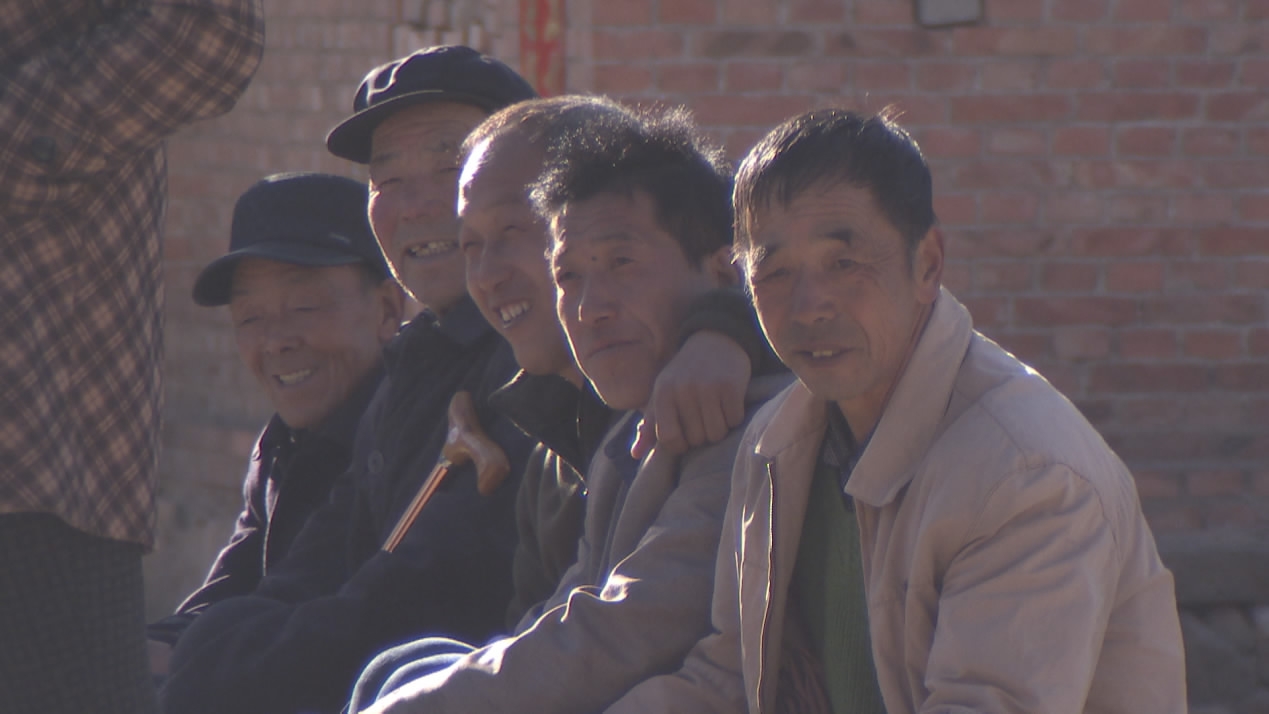
Poverty has deprived many rural men of the possibility of marriage. /CGTN Photo
Liu Tianping prepared a bungalow for his son and then-girlfriend to get married many years ago. But she left his son because he couldn’t afford an apartment. Liu says it's hard to find a partner for his son because women demand their future husband have an apartment in town and most of them can't afford that.
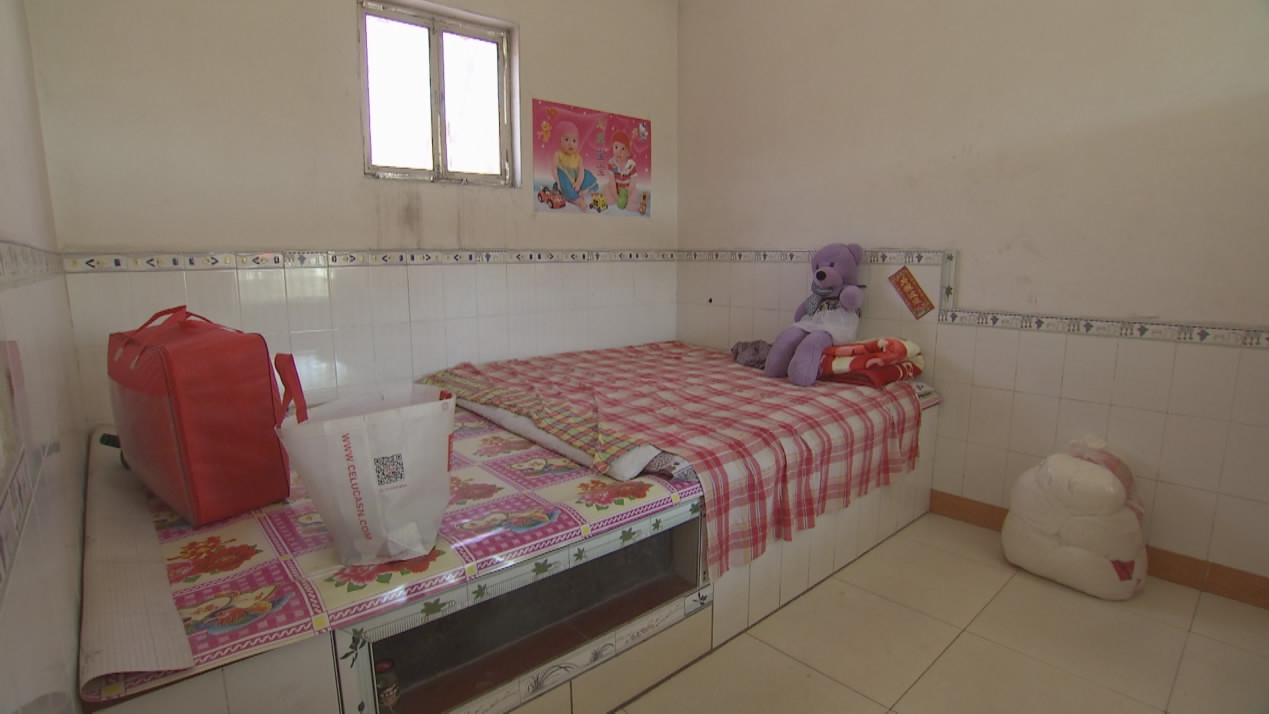
Most women prefer an apartment in town to a rural bungalow. /CGTN Photo
Wang Jiaya village is one of many poor places in China where a lot of adult males with little chance of finding a partner to marry reside. Due to traditional concepts, most Chinese women tend to marry men with good economic conditions and higher education. Unfortunately, these traditions and severe poverty have deprived these men of the possibility of marriage.
46-year-old Wang Junqin says he'll always be single because he has no money to find anyone who is willing to marry him.
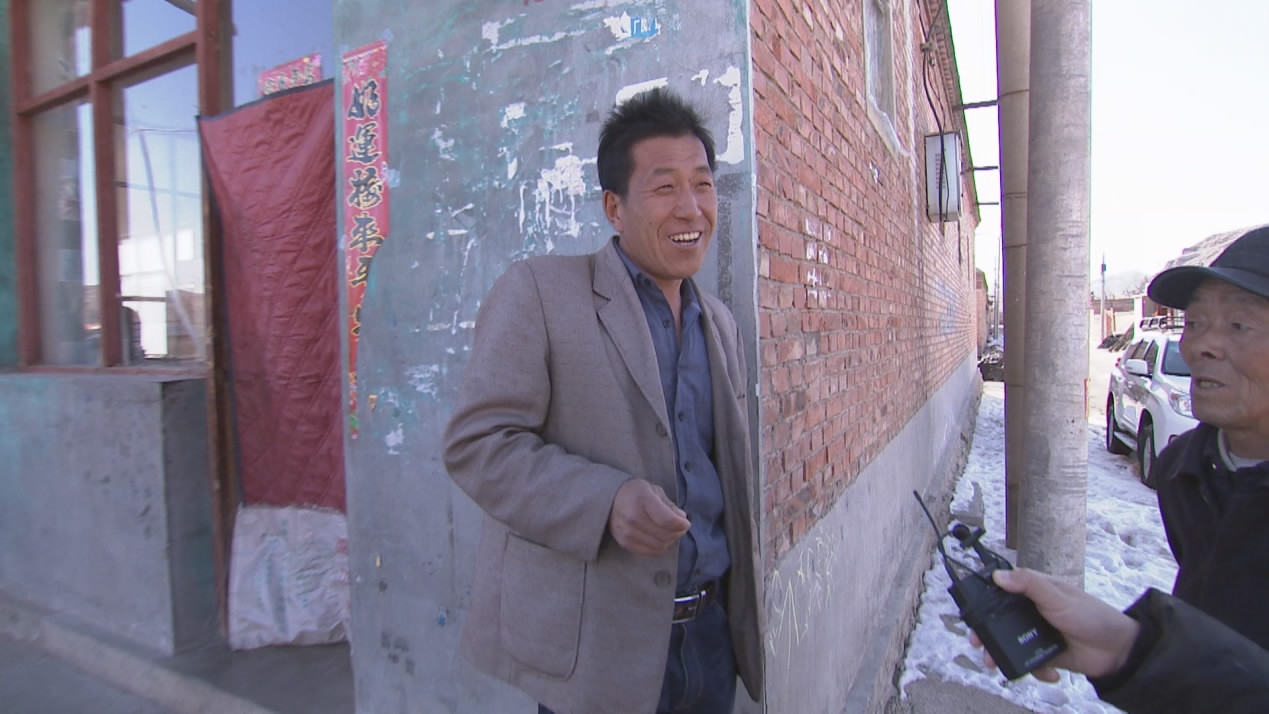
Wang Junqin prefers to remain single rather than spending a fortune finding a partner. /CGTN Photo
A 2011 Chinese film called Guang Gun, which means bachelor, tells the story of four old bachelors in a small village, reflecting on their poverty and sexual frustration. The film won a prize at the Tokyo International Film Festival.
Now, though, even more men have been leaving their villages and pouring into nearby cities to work, leaving their elderly parents living in the villages.
Professor Tan Kejian, director of the Office of Sociology of Population in Shanxi Academy of Social Science, says now most bachelors in the countryside come to work in cities. But their low income and poor education mean they are still not ideal partners for either urban or rural women.
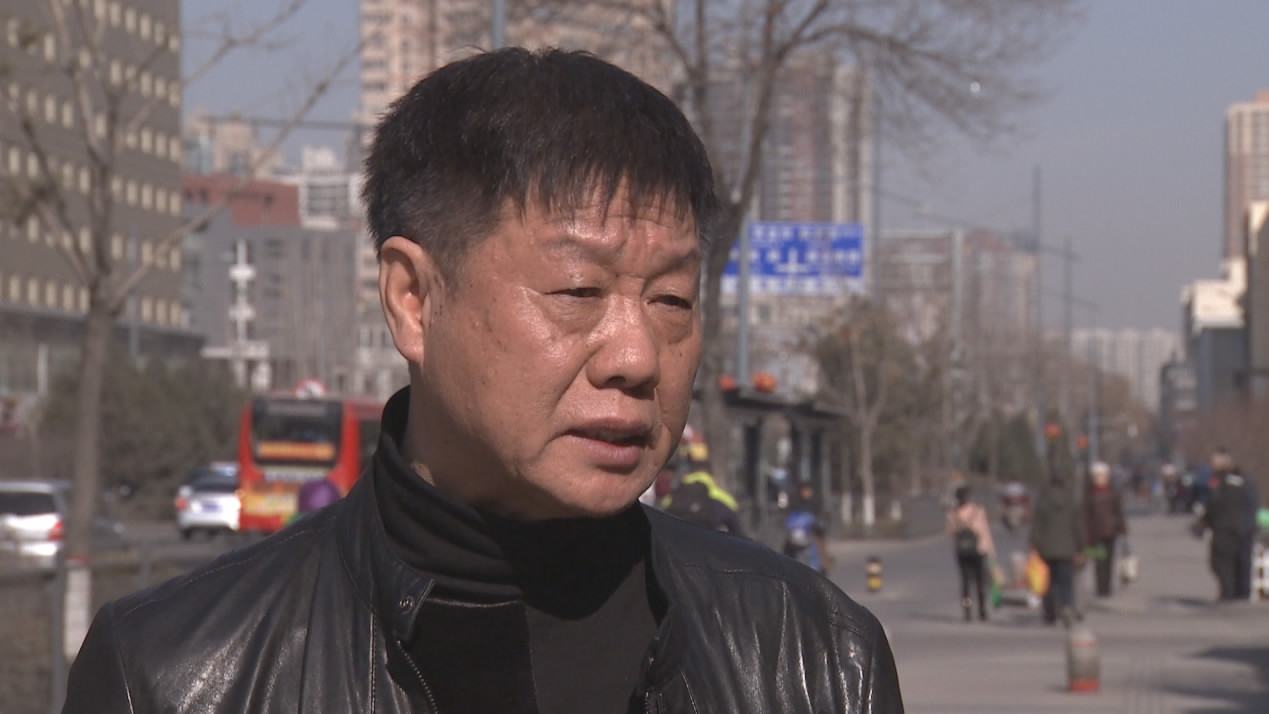
Professor Tan Kejian has done many field investigations of rural population. /CGTN Photo
He also pointed out that the huge number of bachelors will be a problem for social stability. He says China is likely to have 30 million bachelors. Many of them are living at the bottom of the society, which could lead to a rising crime rate. So the government should help them escape poverty and get more education.

Though China has been promoting gender equality, the traditional preference for boys still lingers. /CFP Photo
Professor Tan also says the traditional preference for boys, illegal pre-natal sex determination tests and low birth rate are the primary causes of sex imbalance. He suggests the government make more efforts to promote and ensure gender equality, and also encourage families to have more children.
448km
Copyright © 2017
SHARE
- EXPLORE
- MORE
FOLLOW US