

Qingtuan, a traditional taste for the Qingming Festival
Updated 11:13, 28-Jun-2018
[]
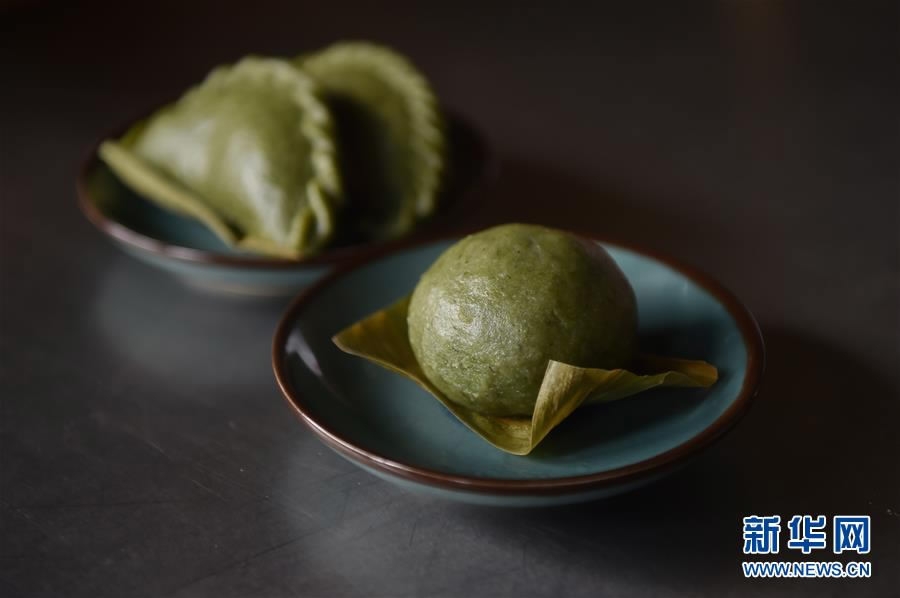
April 4 this year marks the traditional Chinese Qingming Festival, also known as Tomb-Sweeping Day. During the festival, people in east China like to eat Qingtuan, a sweet green rice dumpling. In the past, it was used to worship ancestors, but nowadays people eat it as a fresh festive food. /Xinhua Photo
April 4 this year marks the traditional Chinese Qingming Festival, also known as Tomb-Sweeping Day. During the festival, people in east China like to eat Qingtuan, a sweet green rice dumpling. In the past, it was used to worship ancestors, but nowadays people eat it as a fresh festive food. /Xinhua Photo

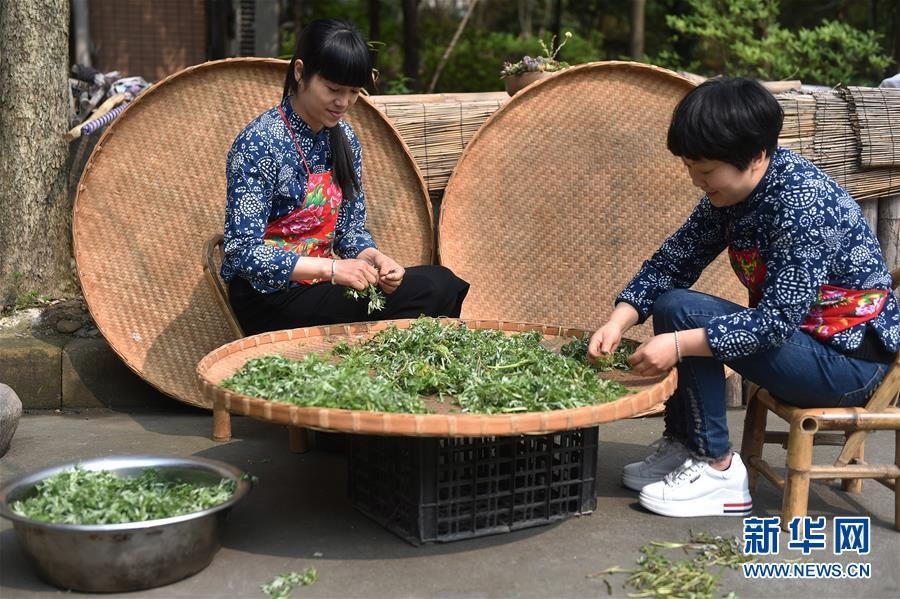
The custom of preparing Qingtuan and other offerings dates back to the Zhou Dynasty over 2,000 years ago. The one or two days before the Qingming Festival were designated as "cold food days", during which time hot cooking was banned. /Xinhua Photo
The custom of preparing Qingtuan and other offerings dates back to the Zhou Dynasty over 2,000 years ago. The one or two days before the Qingming Festival were designated as "cold food days", during which time hot cooking was banned. /Xinhua Photo

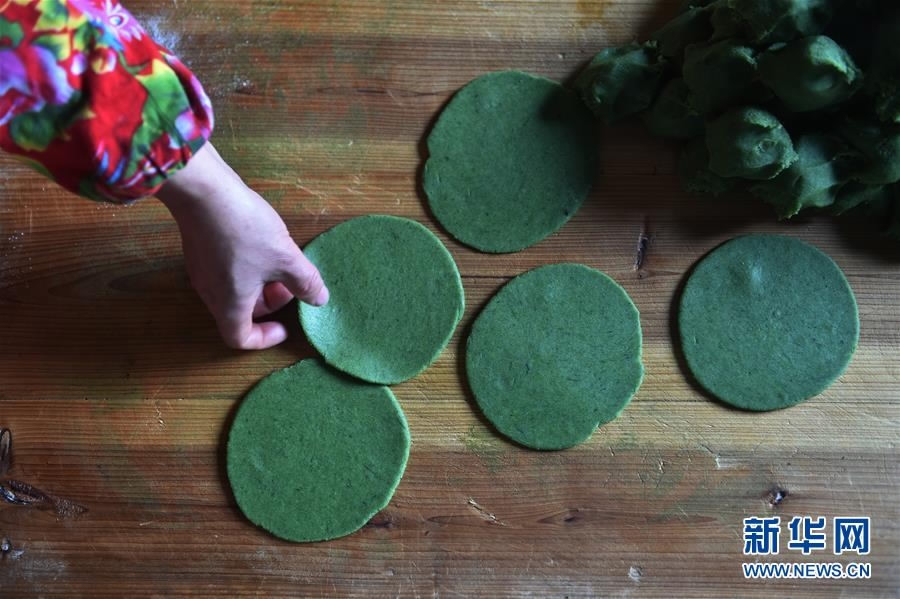
Qingtuan’s skin is made of glutinous rice mixed with Chinese mugwort juice. /Xinhua Photo
Qingtuan’s skin is made of glutinous rice mixed with Chinese mugwort juice. /Xinhua Photo

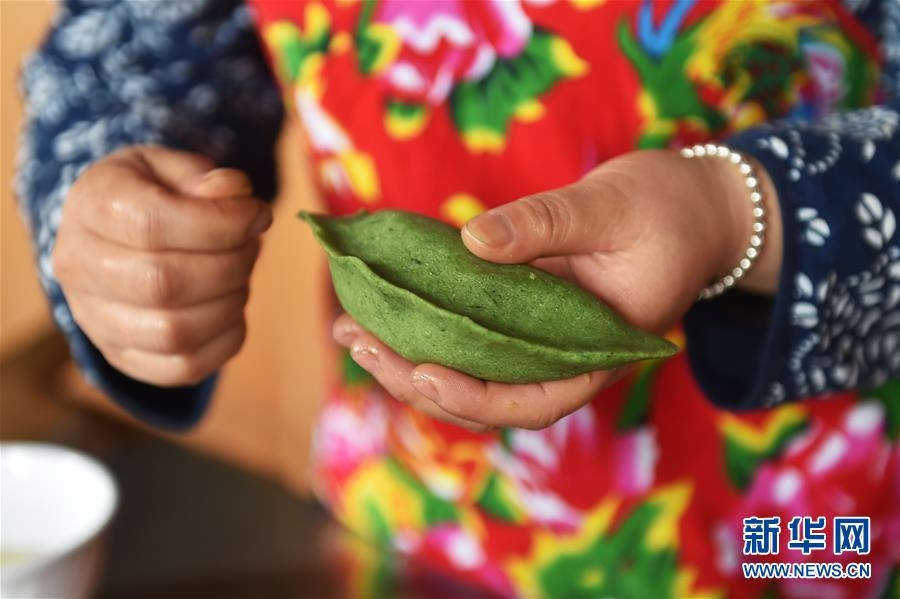
Traditionally, Qingtuan are filled with sweet green bean or red bean paste, but today the stuffing also includes other savory fillings such as salted egg yolk and meat. /Xinhua Photo
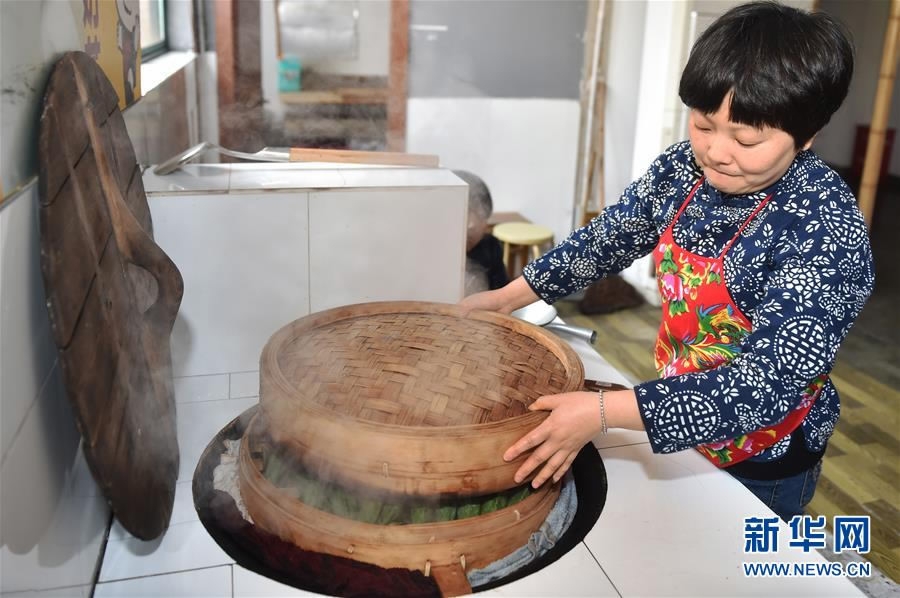
Traditionally, Qingtuan are filled with sweet green bean or red bean paste, but today the stuffing also includes other savory fillings such as salted egg yolk and meat. /Xinhua Photo

Qingtuan taste best when served fresh after steamed. /Xinhua Photo

Qingtuan taste best when served fresh after steamed. /Xinhua Photo