SOCIAL


Tsinghua University sparks debate with 'easier' int'l student admissions
2017-02-18 17:02:11 GMT+8






Editor
Li Jing
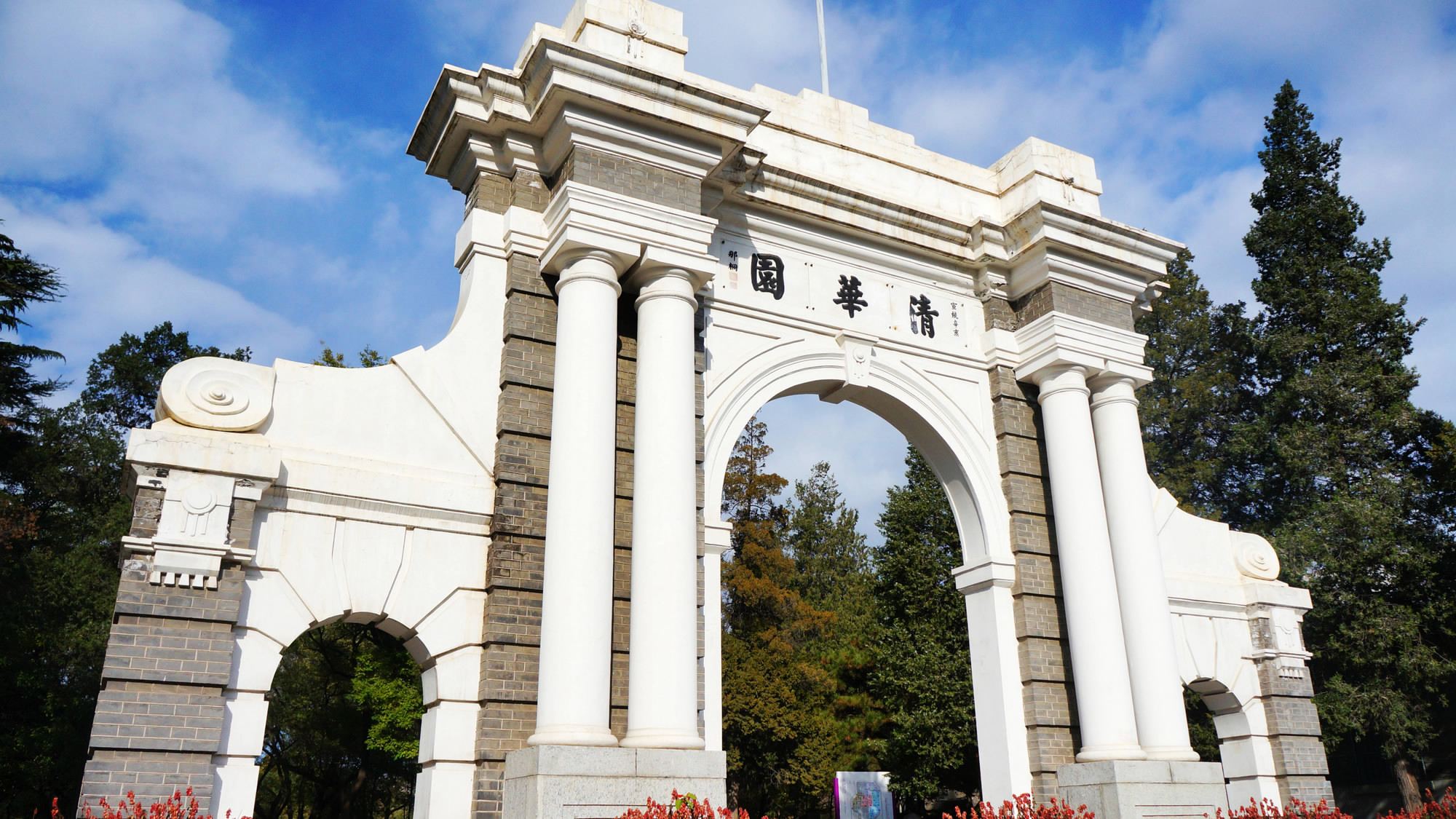
A recent announcement by Beijing’s Tsinghua University that it would drop written tests as part of the admission process for international students has sparked a debate in China, with many saying the country’s top university is making things easier for foreigners.
Starting this year, international students will no longer have to sit for written tests when they apply for an undergraduate program, unlike in the past when all students were required to take four or five tests in different subjects, followed by interviews, before any decisions were made.
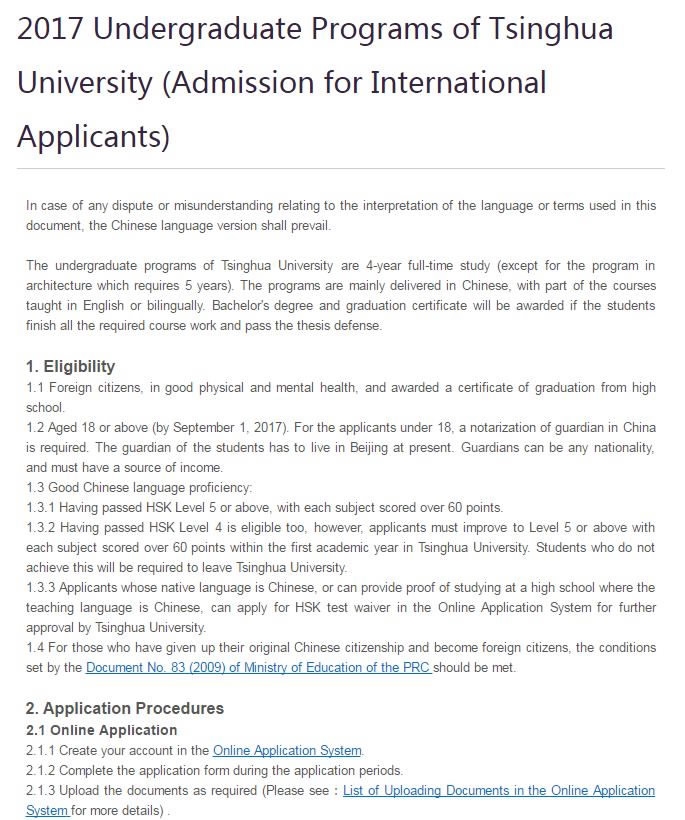
Screenshot of Tsinghua University website
Upset Chinese have argued the new policy will exacerbate the unfairness in education in the country, where it is much harder for domestic students to be admitted to prestigious universities. It is not rare for wealthy Chinese families to buy their children foreign passports before the college entrance exams so that the student will have a better chance of going to an elite school.

CFP Photo
Contacted by CGTN, Tsinghua University said it was adopting an “apply-review” process to recruit international students, a common practice elsewhere in the world. This was part of the school’s admission reforms and not a preferential policy, it said.
While admission may look easier without written tests, Tsinghua claimed it would actually raise the threshold, not lower it, for international students: the university expects to receive more applicants under the new rule, which will lead to tougher competition.
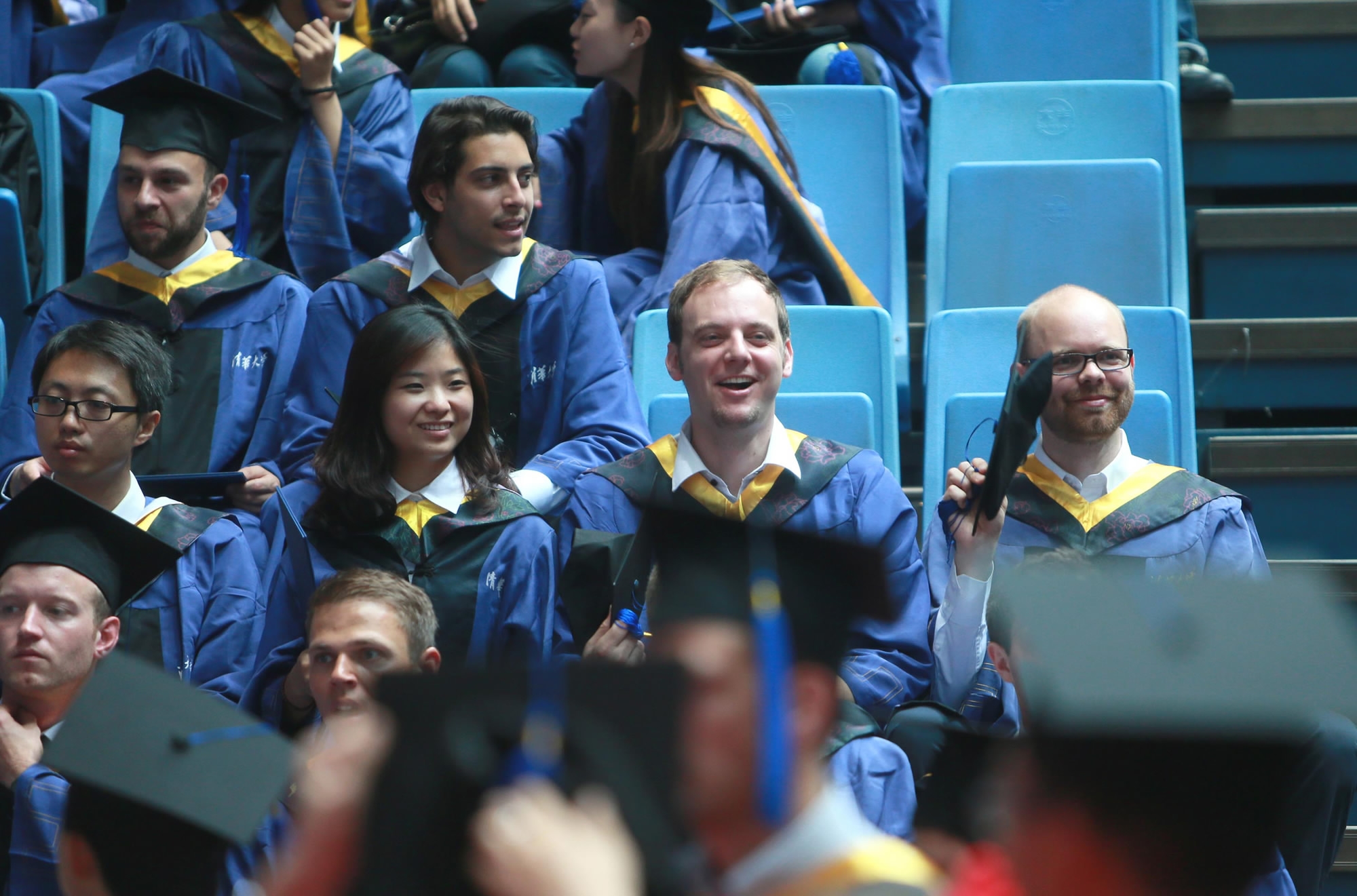
CFP Photo
A panel of judges will study students’ applications, based on their performances in SAT, Advanced Placement, A-Levels, and HSK Chinese language exams. Students in design or arts will still need to take relevant tests to prove their professionalism.
Education researcher Xiong Bingqi, deputy dean at Shanghai’s 21st Century Education Research Institute, pointed out that it was necessary for universities to recruit overseas students to make it a global leading academic institution.
“International students take up more than 20 percent in Harvard, Oxford and Cambridge University, while in Tsinghua, it is only about six percent. The only way to raise the admission threshold is to improve our own strength, so that we can attract more students to apply.”
Regarding the written tests, the current college entrance exam in China cannot judge students in an all-around way, Xiong added, noting that China needed to reform the system.

Facebook CEO Mark Zuckerberg visited Tsinghua University and spoke with students on October 22, 2014. /CFP Photo
China’s higher education institutions have leaped though global university rankings in recent years thanks to massive investment and research capacity. In 2016, a record nine institutions in China made it into the Times Higher Education World Reputation Rankings, with Tsinghua University the first-ever Chinese institution to crack the top 20, coming in 18th place.
Copyright © 2017
SHARE
- EXPLORE
- MORE
FOLLOW US