
Prepare your popcorn for the latest episode of “The Fake News Hunt” staged by Wikipedia, the largest self-regulated online community, and Daily Mail, one of the most famous British tabloids. After a month-long debate proceeded with abundant skeletons in the closet exhibited on the website, a volunteer panel consisting of dozens of user editors voted on Wednesday to deem the newspaper and its digital version as an unreliable source to be prohibited as a reference in most cases. Daily Mail fought back on Friday, condemning the ban as “a political driven act to stifle free press.” It also spoke on how the decision was made, following a discussion in which only a handful of people voted.
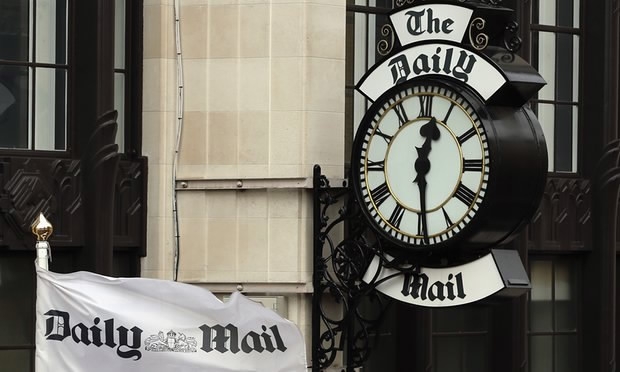
London Office of the Daily Mail titles / Getty Image
“Poor fact checking, sensationalism, and flat-out fabrication,” the British tabloid was interpreted as such by the conclusion of the Wikipedia discussion board. An exhibition of numerous alleged fake news stories in relation to the newspaper were presented on the page to support the claim. In one of the examples, Mail Online mistakenly reported a “guilty verdict” in a famous case in 2011, with a colorful description of the subsequent reaction in the courtroom and even a direct quoted comment from the prosecutor, despite the fact that the defense was found not guilty. The article was later retracted and explained as a “set and hold” article prepared in advance of important events. Another editor referred to a made-up story about Beijing installing giant TV screens so that smog-choked residents could watch fake sunrises. It was later found out that the sunrise video was merely a tourism advertisement which ran on the screen everyday regardless of the air conditions.
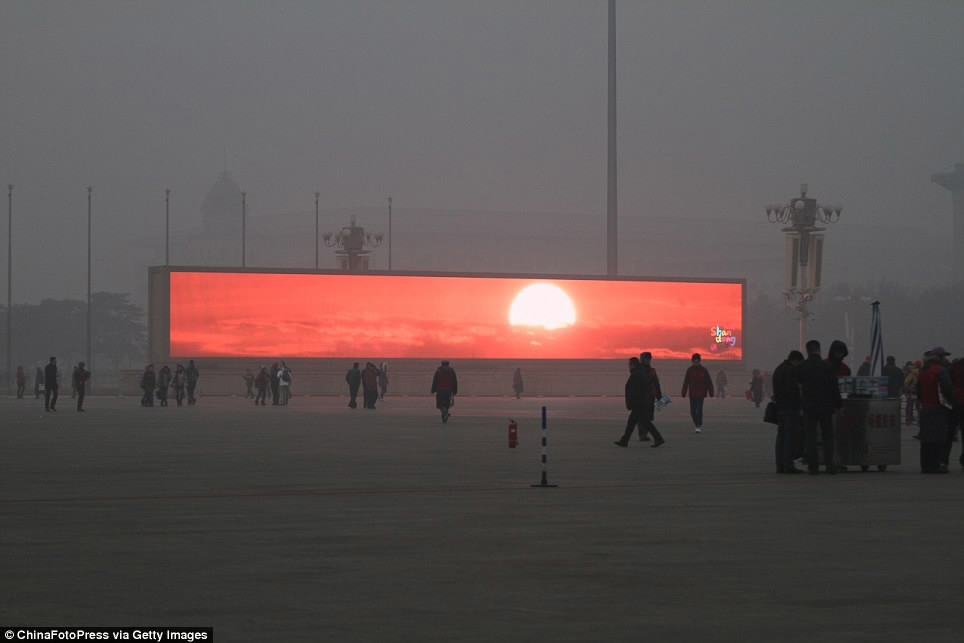
Tourism ad screening sunrise displayed in Beijing / Daily Mail
In response, the Daily Mail attacked the online encyclopedia by questioning its own accuracy and credibility. “It is hard to know whether to laugh or cry at this move by Wikipedia, a website that is notorious for its own inaccuracy and false truths, and which was co-founded by a man who doctored his own biographical entry,” said a spokeswoman of the newspaper. She also hit out on the legitimacy of this democratic process, pointing out that only 75 of the Wikipedia’s 30 million anonymous registered editors voted to make the decision.“Last year, the Daily Mail and Mail Online together published more than half a million stories and yet received just two upheld adjudications each for inaccuracy from the UK Industry’s regulator IPSO,” she said. “All those people who believe in freedom of expression should be profoundly concerned at this cynical politically motivated attempt to stifle the free press.”