TECH & SCI


New Zealand's 7.8-magnitude quake to rewrite earthquake hazard science
2017-03-24 13:08:03 GMT+8
10826km to Beijing






Editor
Zhao Hong
The 7.8-magnitude quake that killed two people in New Zealand's South Island in November was so complex and unusual that it could change the way scientists think about earthquake hazards worldwide, according to a New Zealand-led study out Friday.
The Kaikoura earthquake, which shook the country and the world, set records for its complexity, and was also one of the best recorded large earthquakes anywhere in the world, said the study led by scientists from the government's Institute of Geological and Nuclear Sciences (GNS Science).
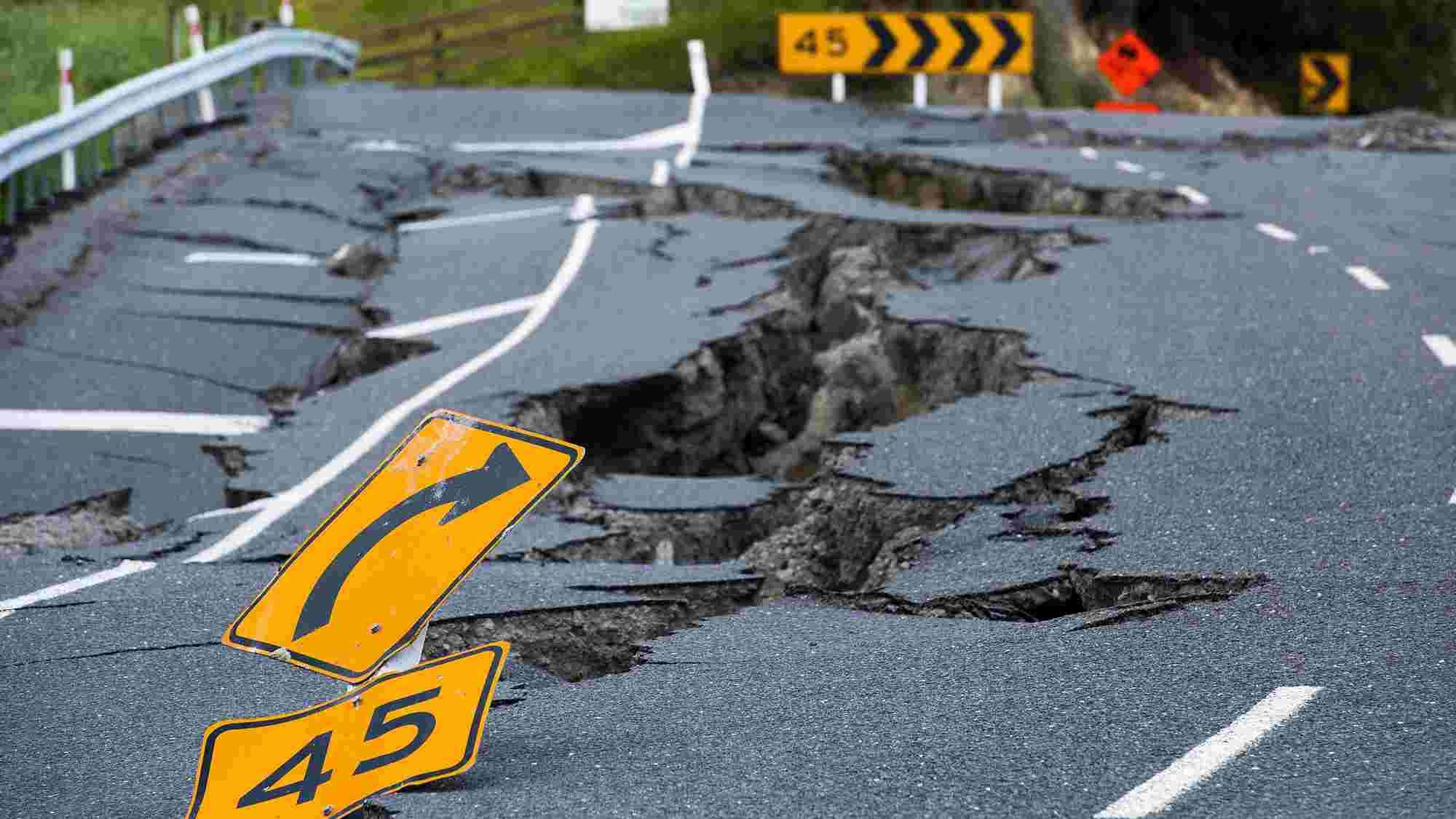
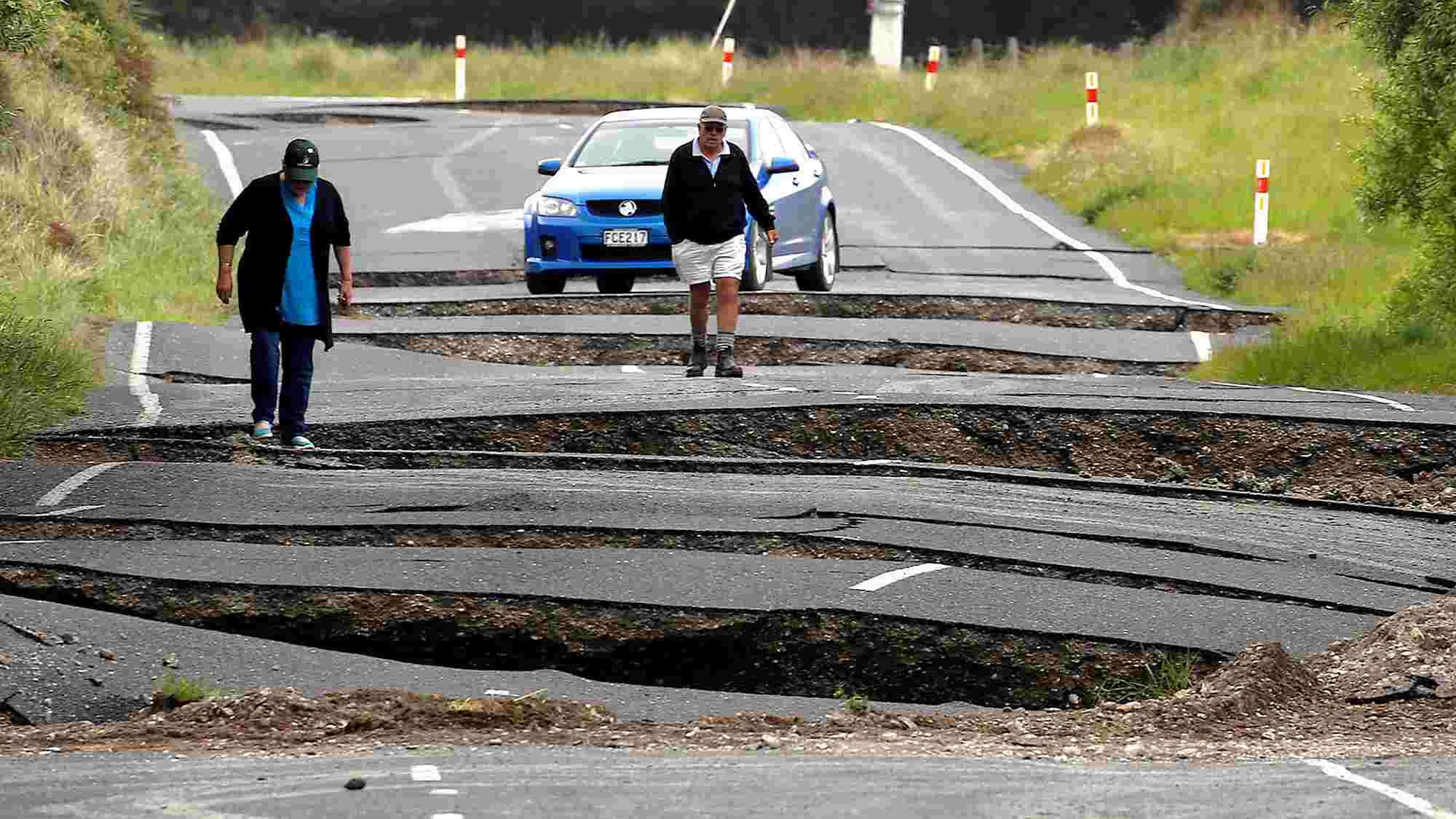
Earthquake damage to State Highway 1 is seen south of Kaikoura, New Zealand, Nov. 16, 2016. /CFP Photo
It reported on the analysis of a range of quake data including satellite radar imagery, field observations, global positioning system (GPS) data and coastal uplift data.
The authors said the quake had underlined the importance of re-evaluating how rupture scenarios were defined for seismic hazard models, which aid decision-making on things like building codes in plate boundary zones worldwide.
It showed the quake moved parts of the South Island more than 5 meters closer to the North Island in addition to being uplifted by up to 8 meters.
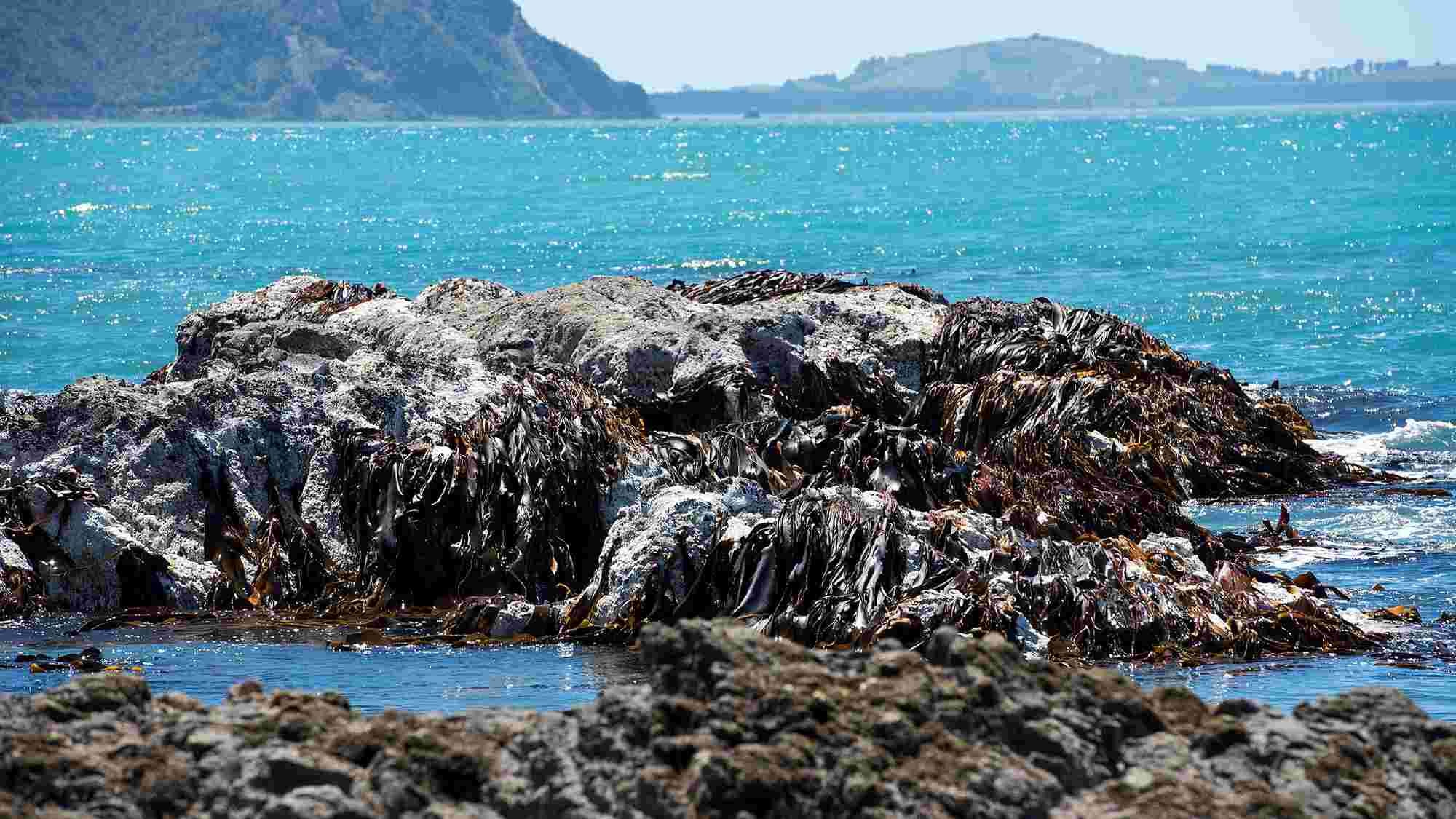
Part of the seashore in Oaro, New Zealand, once covered by water swims out to sea, caused by the November earthquake. /CFP Photo
The earthquake ruptured at least 12 major crust faults plus another nine lesser faults.
The rupture took about two minutes to travel along more than 170 km of some well-known and some previously unknown faults.
The largest movement during the earthquake showed pieces of the Earth's crust were displaced relative to each other up by to 25 meters at a depth of about 15 km.
The maximum rupture at the surface was measured at 12 meters horizontally.
"This complex earthquake defies many conventional assumptions about the degree to which earthquake ruptures are controlled by individual faults, and provides additional motivation to rethink these issues in seismic hazard models," the authors said.
The quake had underlined that conventional seismic hazard models were too simple and restrictive, lead author Ian Hamling, of GNS Science, said in a statement.
"The message from Kaikoura is that earthquake science should be more open to a wider range of possibilities when rupture propagation models are being developed," said Hamling.
(Source: Xinhua)
10826km
Copyright © 2017
SHARE
- EXPLORE
- MORE
FOLLOW US