
By CGTN multimedia journalist Lester Xu
Why do millions of Chinese people still love to watch the Spring Festival Gala – even if the show seems not to have kept pace with the times? CGTN takes you on a trip back to the good old days to find out why the most popular TV show on Earth is such an institution in China.
Though the world outside may generally not watch it, many foreigners will be familiar with the Gala, also known in China as Chunwan. It is China’s biggest annual party; an epic extravaganza viewed by nearly 800 million people every year.
For millions of ordinary Chinese, the meaning of Chunwan couldn’t be simpler: it is a symbol of Chinese family culture.
Screened by national broadcaster CCTV since 1983, Chunwan may look very old-fashioned compared to today’s standards. But the first Spring Festival Gala laid the road for all of those that followed.
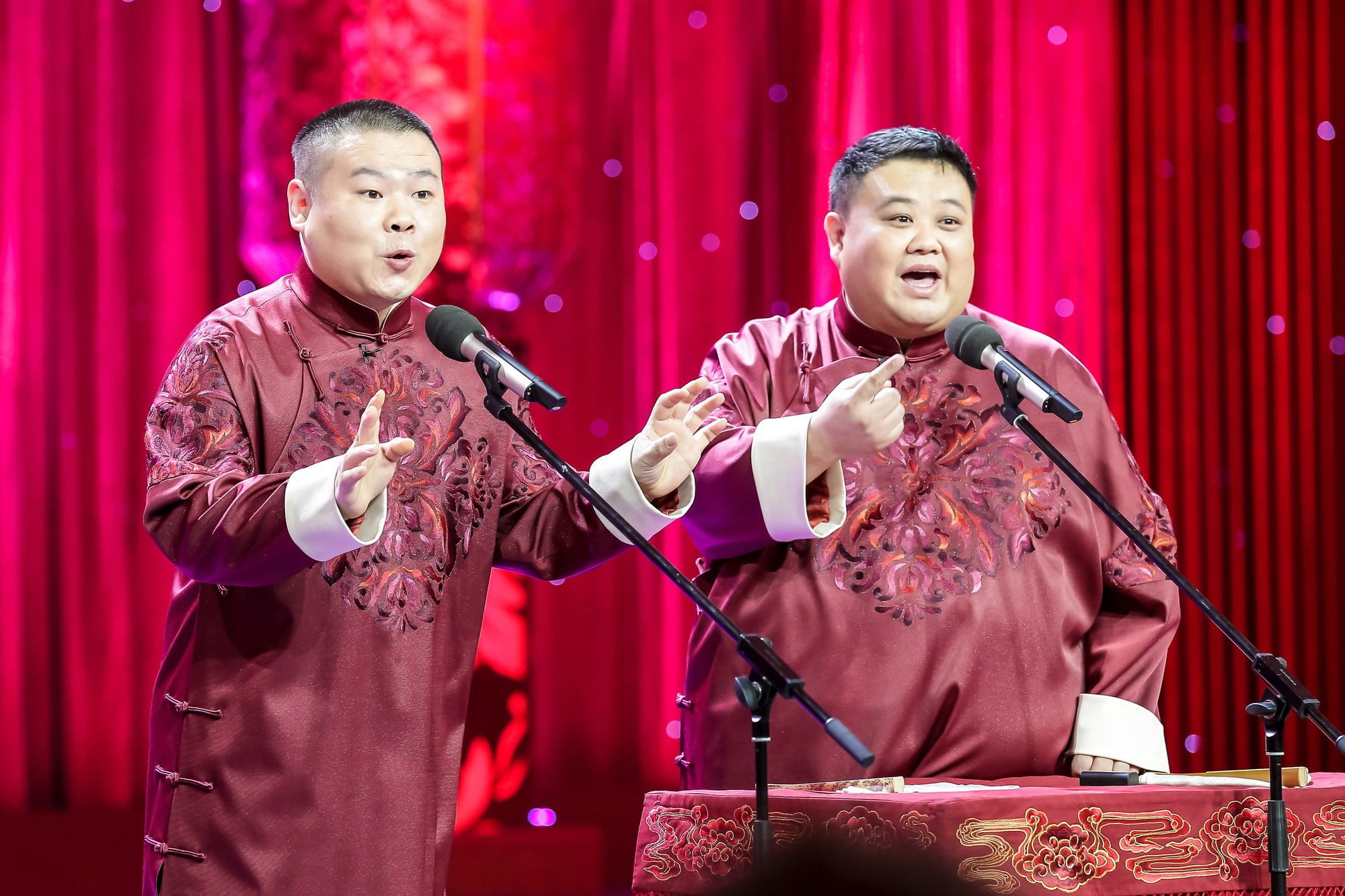
Stand-up comedy performed by Yue Yunpeng (L) and Sun Yue (R) during the CCTV Spring Festival Gala in 2015. /CFP Photo
Basically, the show can be divided into two categories: language-focused programs such as stand-up comedies or skits, and other art performances including singing or dancing, acrobatics, martial arts and magic shows.
Language programs are always the most talked-about parts of Chunwan. In 1984, a famous episode entitled “Eating Noodles” was aired. It was considered the beginning of Xiaopin, a performance art form that is particularly suitable for the gala.
Together with Xiangsheng – standup comedy – the two art forms never lost their presence on the Chunwan stage. The language programs on Chunwan are also a reflection of social issues in different eras.
For those who cannot speak Chinese, the art performances give them a chance to experience the richness of Chinese culture.
Meanwhile, for artists, the Chunwan stage could be their big chance – many performers became household names in China after appearing on the show, even some foreigners.
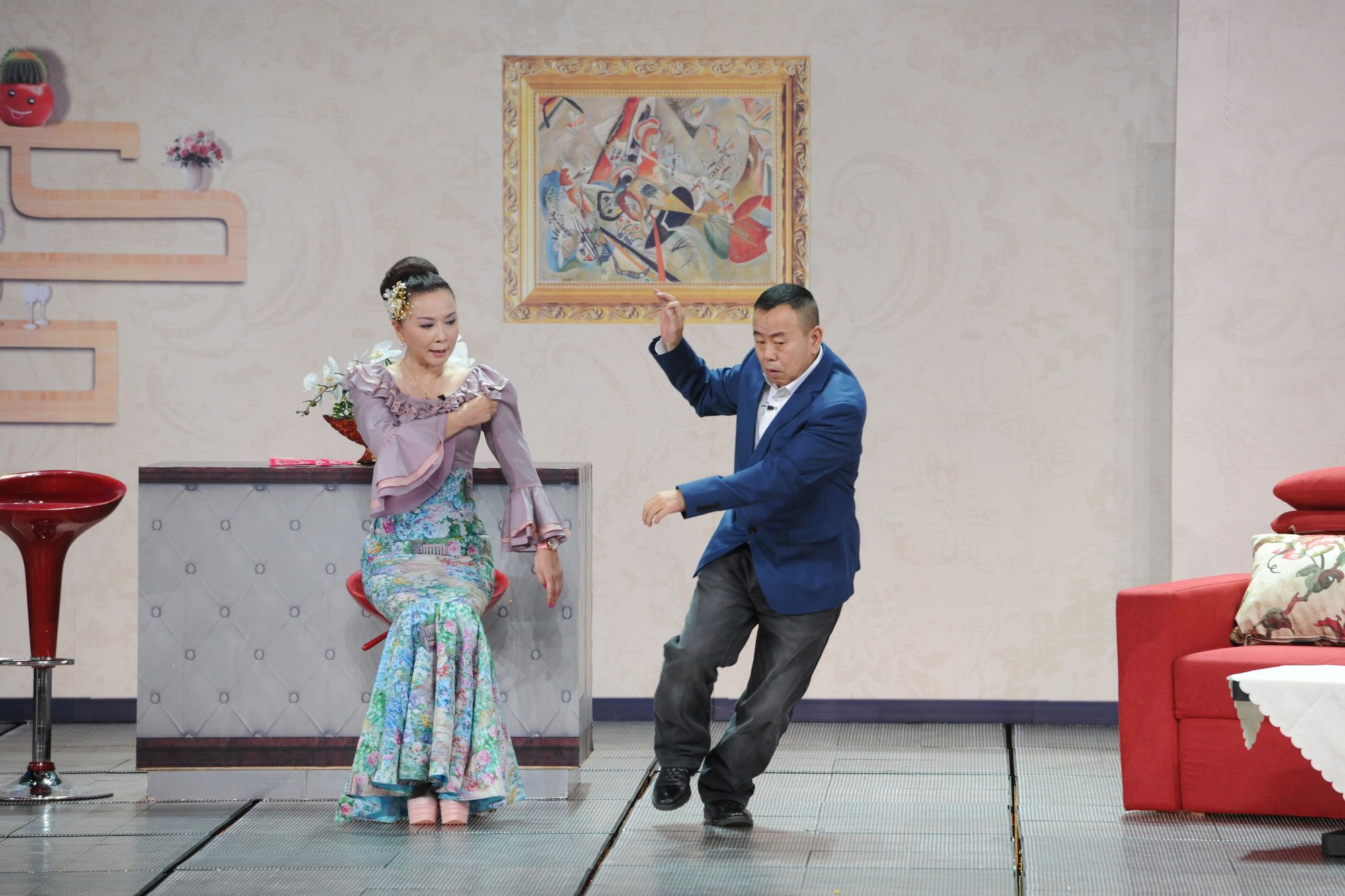
A comedy sketch performed by Cai Ming (L) and Pan Changjiang (R) during the CCTV Spring Festival Gala in 2016. /CFP Photo
In 1999, Chunwan was broadcast online for the first time. The golden age of television started to give way to the rapid spread of the Internet.
In recent years, Chunwan has tried to reestablish itself with some new elements, such as interaction with the audience through smartphones, more youth groups and Internet celebrities.
Although many people still watch the show every year, the question remains does a four-hour TV program fit with modern society’s short attention span?
Just like anywhere else in the world, traditional variety shows have slowly given way to computer games, smartphones, social networks, and so many other options to choose from. But then again, Chunwan is beyond a television show – it’s a nationally shared experience.
It has become a ritual for many Chinese families, including overseas Chinese, to tune in to the show on Chinese New Year's Eve – to feel the warmth of family reunion, to put down their phones just for a little while, and to have a warm conversation surrounding the television set that we seldom take the time for anymore.
And that’s when we begin to realize, it’s reassuring that some things remain fundamentally unchanged.