
Tech & Sci
11:28, 13-Jun-2017
Tracking invasive species? Follow the people
 []
[]
Share







Copied
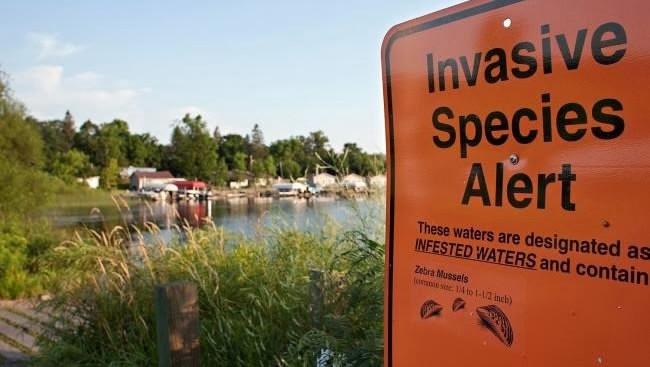
Islands and populated coastal areas are the world's "hotspots" for invasive species, which can upend entire ecosystems and drive local animals and plants to extinction, a study reported Monday.
The first global census of non-native fauna and flora found the highest concentrations in Hawaii, New Zealand's North Island, and the Lesser Sunda Islands of Indonesia.
The 50th US state is beset with alien species -- including rats, feral pigs, and the fire tree, which crowds out indigenous plants -- in each of the eight categories that include reptiles, fish, ants, spiders, mammals and amphibians.
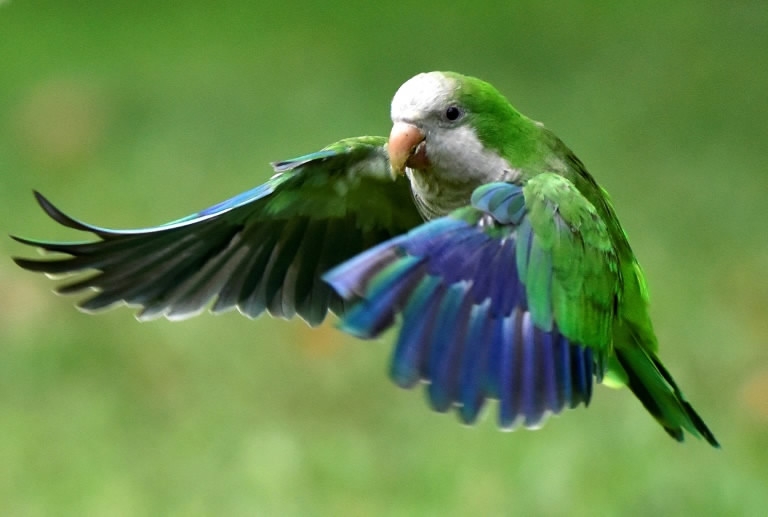
Monk parakeet, also known as quaker parrot, is an invasive species that has become a problem to local fauna such as pigeons and sparrows in Europe. /AFP Photo
Monk parakeet, also known as quaker parrot, is an invasive species that has become a problem to local fauna such as pigeons and sparrows in Europe. /AFP Photo
Disease-bearing mosquitos that arrived in the early 19th century have wiped out half the island chain's tropical birds, with several other species on the brink.
Florida is the top hotspot among mainland regions, boasting a rogues' gallery of invaders: walking catfish, giant iguanas, mammal-crushing pythons, and monster African land snails that gobble up native plants and carry a parasite that causes meningitis in humans.
The California coast and northern Australia are also rife with uninvited guests.
Lionfish is an invasive and predatory species that threatens the balance of the Caribbean Sea. /AFP Photo
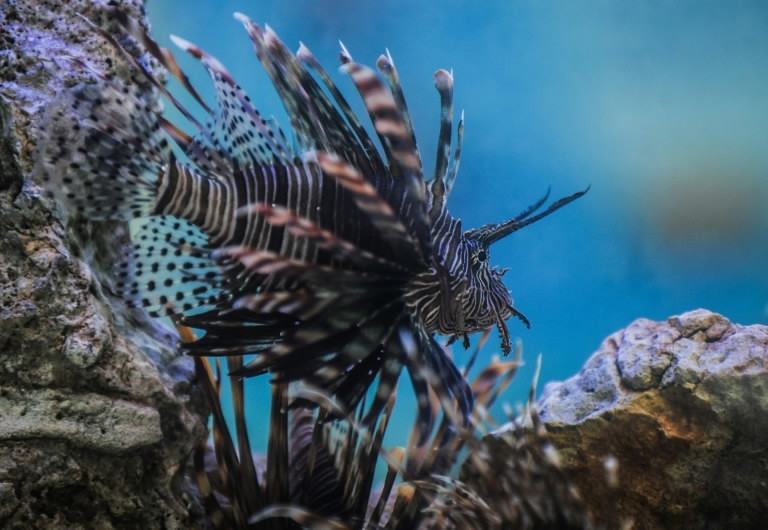
Lionfish is an invasive and predatory species that threatens the balance of the Caribbean Sea. /AFP Photo
The new map of intruder species points unmistakably to how they got there, said Wayne Dawson, a biologist at Durham University in northeastern England and lead author of the study published in Nature Ecology and Evolution.
"We have shown that regions with higher human population density, and greater wealth, have more established alien species," he told AFP.
Not all living things that take root in foreign soils or waters cause harm. But those that do are among the main drivers -- along with habitat loss, hunting for food, pollution and climate change -- of wildlife decline around the world, experts say.

Crayfish, once an invasive species, now becomes a popular delicacy in China. /VCG Photo
Crayfish, once an invasive species, now becomes a popular delicacy in China. /VCG Photo
Creatures that have evolved in isolation may find themselves helpless against unfamiliar predators or pathogens.
Forests in Guam are eerily silent, for example, because the brown tree snake has devoured most of the island's birds (or their eggs) over the last half century.
Newcomers often marginalize native species: Asian carp now dominate some US rivers, grey squirrels have replaced red ones in London parks, and kudzu (aka Japanese arrowroot) -- a perennial vine introduced to the US 150 years ago as an ornamental bush -- has crowded out many plants.
(Source: AFP)