Asia Media Summit 2017: How media can play a bigger role in social causes






By CGTN's Yang Chengxi
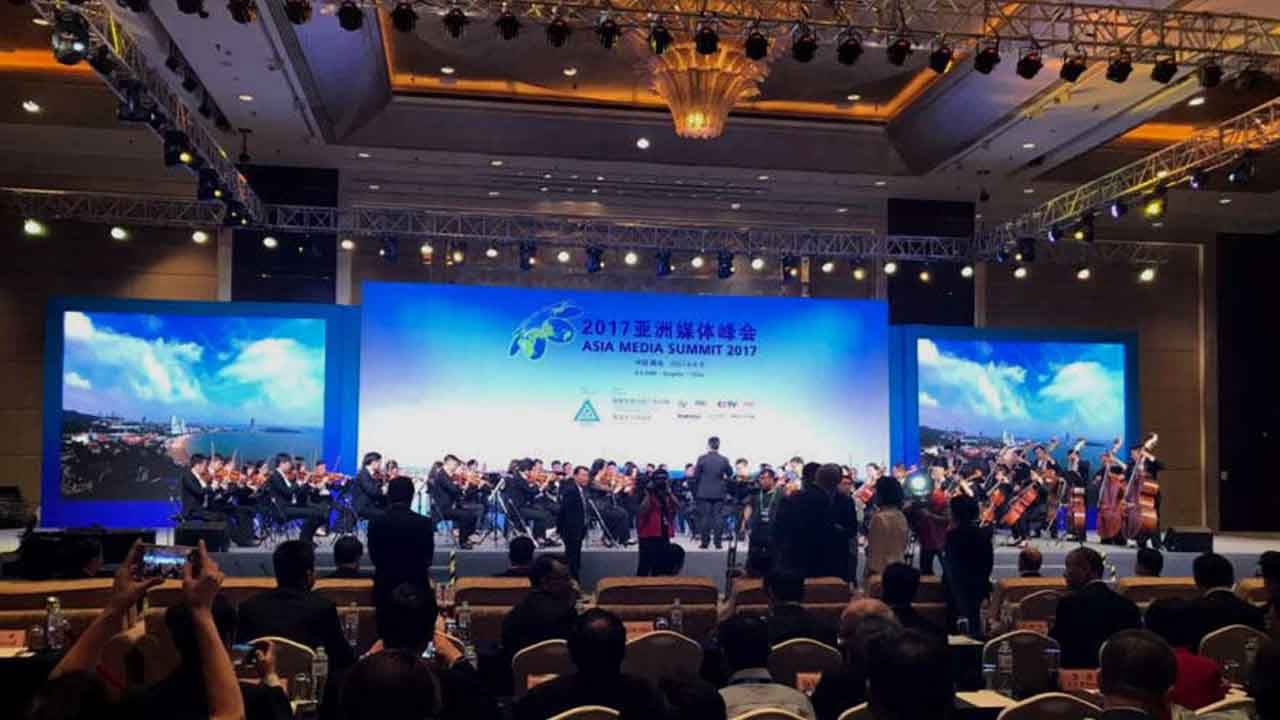
The 2017 Asia Media Summit has kicked off in the north China city of Qingdao. This annual summit attracts some 450 representatives from 48 governments and seven international institutions to brainstorm the future of media.
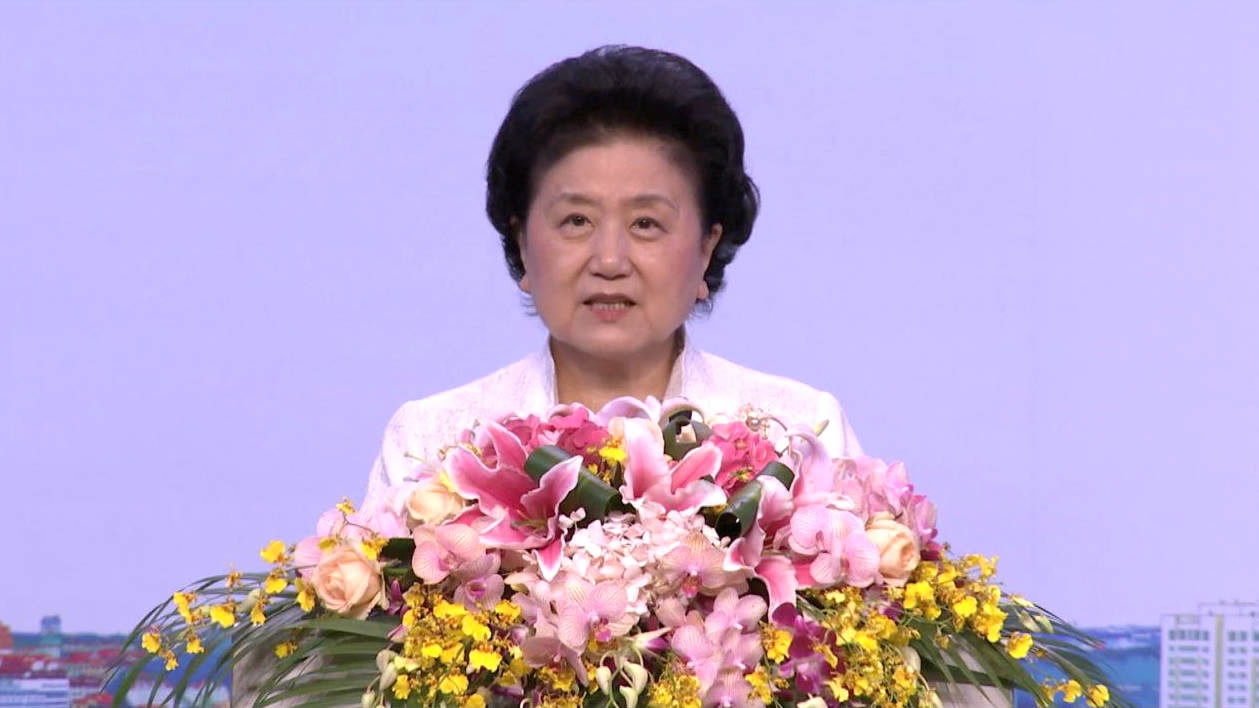
Liu Yandong, Chinese Vice Premier, delivered a keynote speech at the opening ceremony. /CGTN Photo
The main theme of the summit is "media on the frontline of global development". In the age of the Internet, the media is given unprecedented power to drive the global development agenda.
"On the problem of diseases, on the problem of the gap between rich and poor, if the global media will speak about these problems, people will change their minds,” said Volin Aleksey Konstantinovich, deputy minister of Russia’s Ministry of Telecom and Mass Communications.
"These stories need to be told. The new platforms are now much more widespread and more easily accessible to quickly spread the news and quickly spread the stories among everyone”, said Afamasaga Lepuiai Rico Tupai, minister of Communications and Information Technology of the Independent State of Samoa.
Jin Chang, the director of the Asia-Pacific Institute of Broadcasting Development, is the organizer of the summit. "People generally assume that media is only for attracting attention by appalling news and entertainment. They assume media and people are not interested in development stories. But according to the research carried out by my institute, this is not correct. People and media and audiences have a very big interest in development stories."
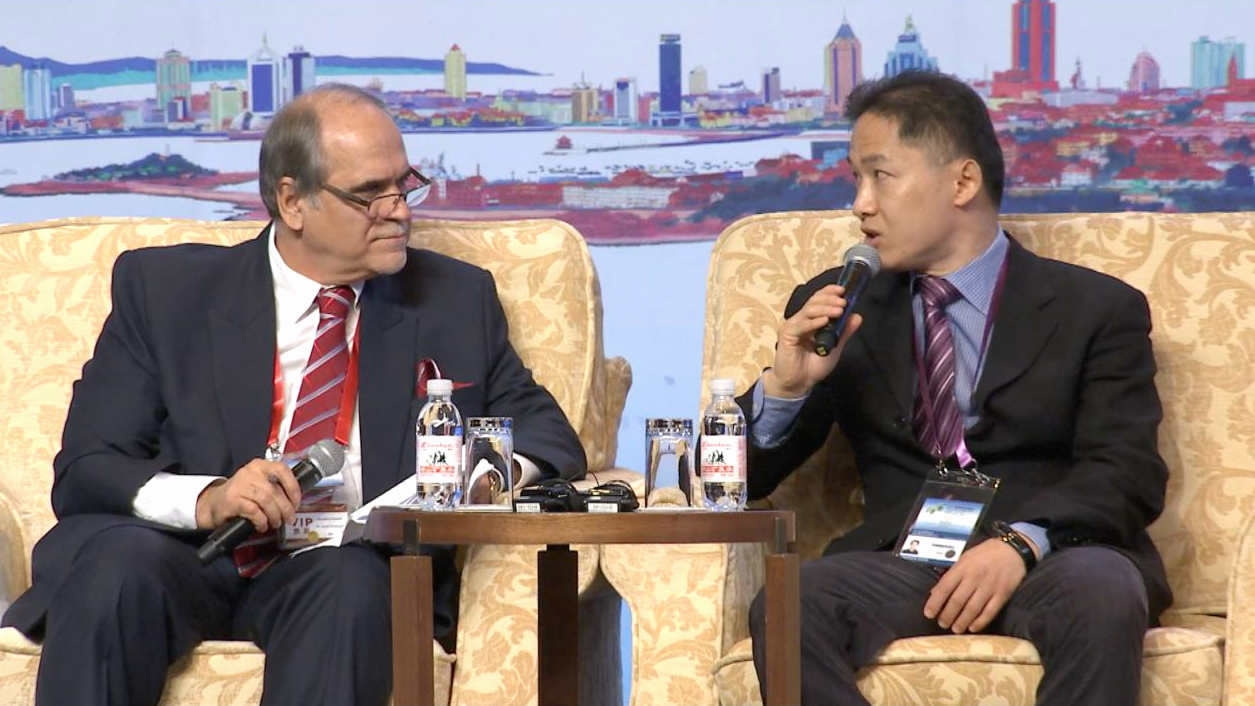
Media officials attended four rounds of panel discussions, with topics ranging from global development, innovation and the role of media. /CGTN Photo
Discussions at the summit also focused on innovation. It has been widely reported that new technology is disrupting traditional media. However, these new tools have also enabled the media to tell stories in revolutionary, new ways.
A virtual reality company, Usual Unusual, produced a documentary on Syrian refugees in 2015, in collaboration with the United Nations. VR technology was used to put the audience in the middle of a refugee camp.
"So when you look at virtual reality you're not watching a movie but you're really stepping into a movie. So you can imagine when you tell a story with a social goal, it really helps you to understand and believe the story because you have the feeling like you're there. So for instance you step into a refugee camp and you can really feel like 'I am sitting here beside these refugees,'” said Jip Samhoud, founder and CEO of Usual Unusual.
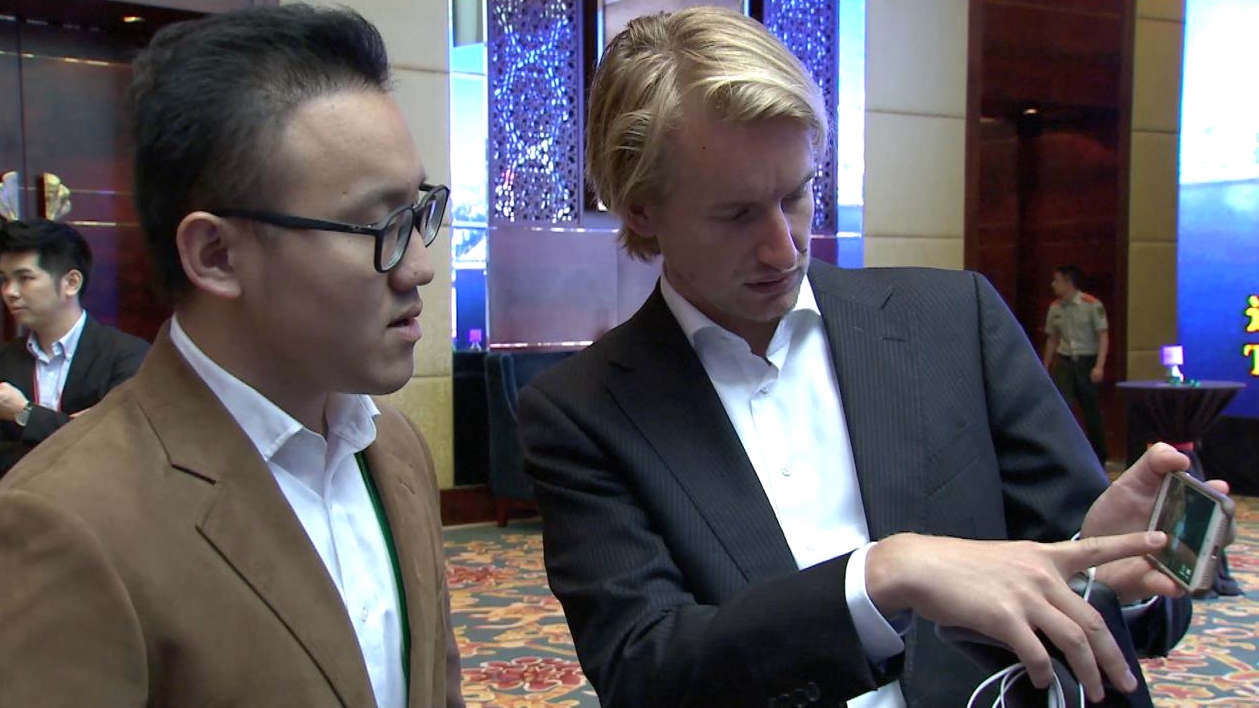
Jip Samhoud, founder and CEO of Usual Unusual explaining the mechanisms behind his VR content /CGTN Photo
The consensus at the summit, when it comes to promoting societal development and mutual understanding, is that there really is quite a lot that media can do.
- EXPLORE
- MORE