IMF: Reforms ‘need to accelerate to secure medium-term stability’






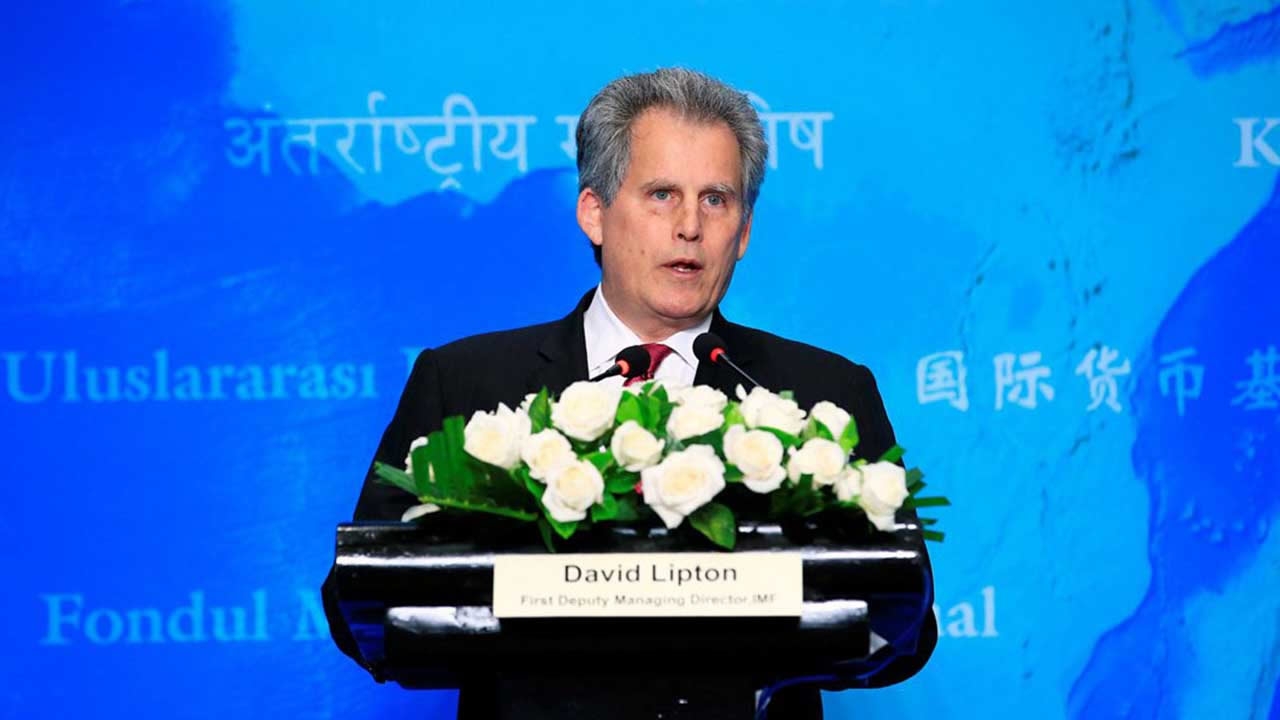
By CGTN's Grace Shao
The International Monetary Fund (IMF) released its 2017 Article IV Mission to China on June 14 in Beijing.
The IMF’s First Deputy Managing Director, David Lipton, met with Chinese Vice Premier Ma Kai, Governor of the People's Bank of China Zhou Xiaochuan and Director of Central Economic and Financial Reform Leading Group Liu He among other senior officials during his visit.
The IMF expects China's GDP to expand by 6.7 percent in 2017 and by 6.4 percent on average every year between 2018 and 2020.
“China continues to transition to a more sustainable growth path and reforms have advanced across a wide domain," said Lipton. "Our discussions in the past two weeks focused on the policies needed to ensure China’s successful transition, which is vital to its own people and the rest of the world – and the urgency of accelerating pace of reforms.”
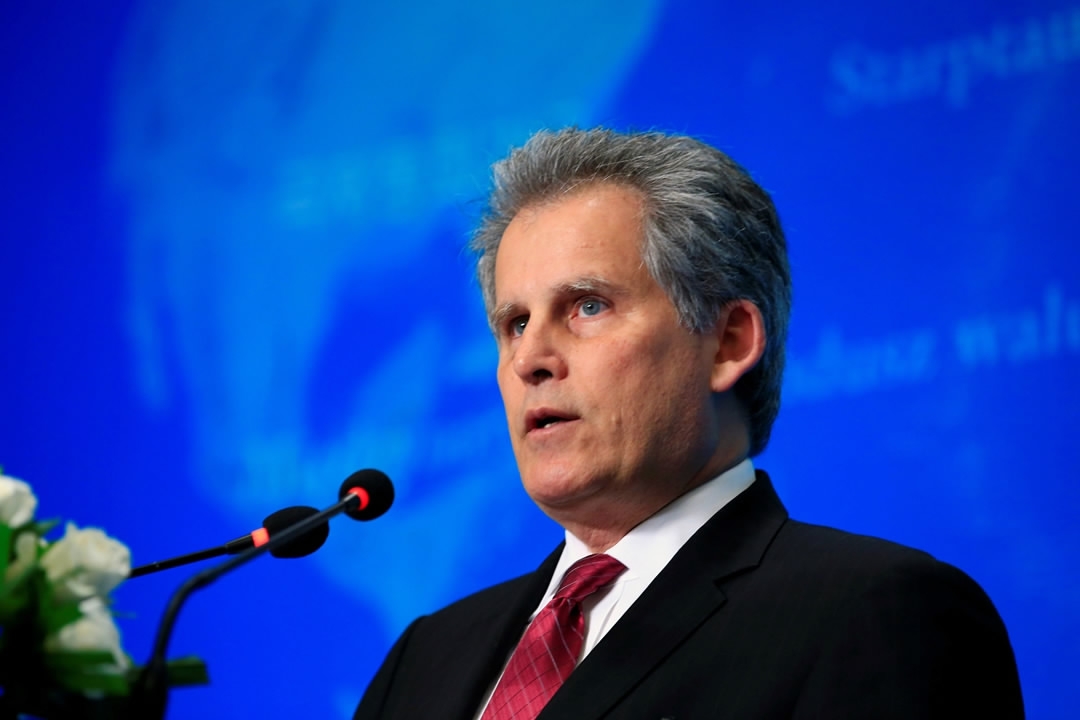
David Lipton, first deputy managing director of the IMF, speaks at a news conference in Beijing, China, June 14, 2016. /VCG Photo
China has been borrowing money to build its infrastructure, but according to the IMF Global Financial Stability Report released in April, China’s debt has been accumulating over the years.
The government has introduced a series of financial tools and measures to mitigate financial risk. Lipton acknowledged that Chinese authorities are fully aware of the challenges and praised them for taking crucial measures. Expenditure is advantageous to the economy right now, but too much of it can potentially become pernicious in the future.
Lipton said, “Important supervisory and regulatory action is being taken against financial sector risks. Corporate debt is growing more slowly, reflecting restructuring initiatives and overcapacity reduction. The house price boom is being gradually contained and excess inventory reduced.”
Moody’s recent downgrade of China’s debt reveals a substantial financial problem – its huge dependency on debt to grow its economy.
However, Wang Jun, Director-General of the Information Department at the China Center for International Economic Exchanges, says the Central Bank and three regulatory commissions including the securities, insurance and banking regulatory bodies have issued strict guidelines to tighten supervision and ensure healthy operations.
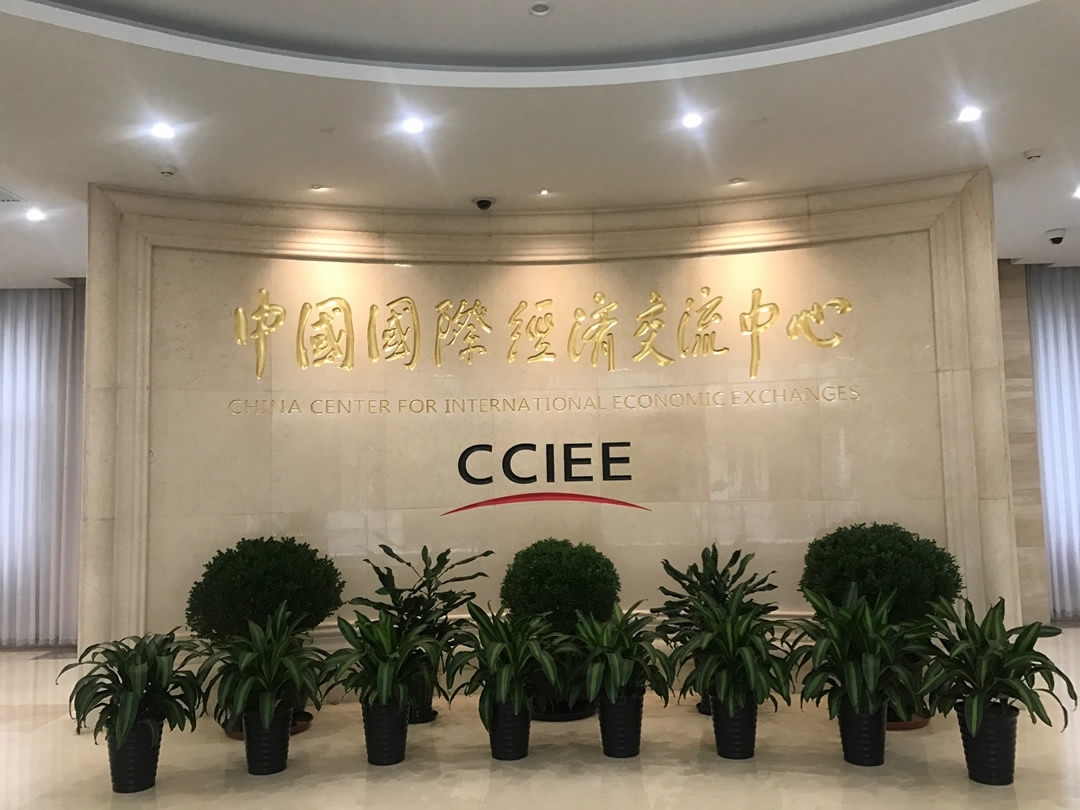
CGTN Photo
Wang added, “China’s transition into the 'New Normal' will not only be beneficial to its domestic economy, but it will help rebalance the global economy after the 2008 financial crisis. China’s growth and stability will be a positive contribution to a healthy global economy.”
Lipton suggested that reform progress needs to be accelerated to secure medium-term stability and address the risk that the current trajectory of the economy could eventually lead to a sharp adjustment.
He also acknowledged that China’s financial sector has been growing, but it is crucial to make sure institutions are engaged and are capable to support the large volume of activities.
Lipton gave some recommendations, which included:
• Switch faster from investment to consumption
• Increase the role of market forces
• Implement a more sustainable macro policies mix
• Continue the regulatory tightening
• Tackle nonfinancial sector debt
• Improve policy frameworks
- EXPLORE
- MORE