
China
13:17, 03-Jun-2017
Chinese 'child walkers' claw their way to unleash kids' potential
 []
[]
Share







Copied
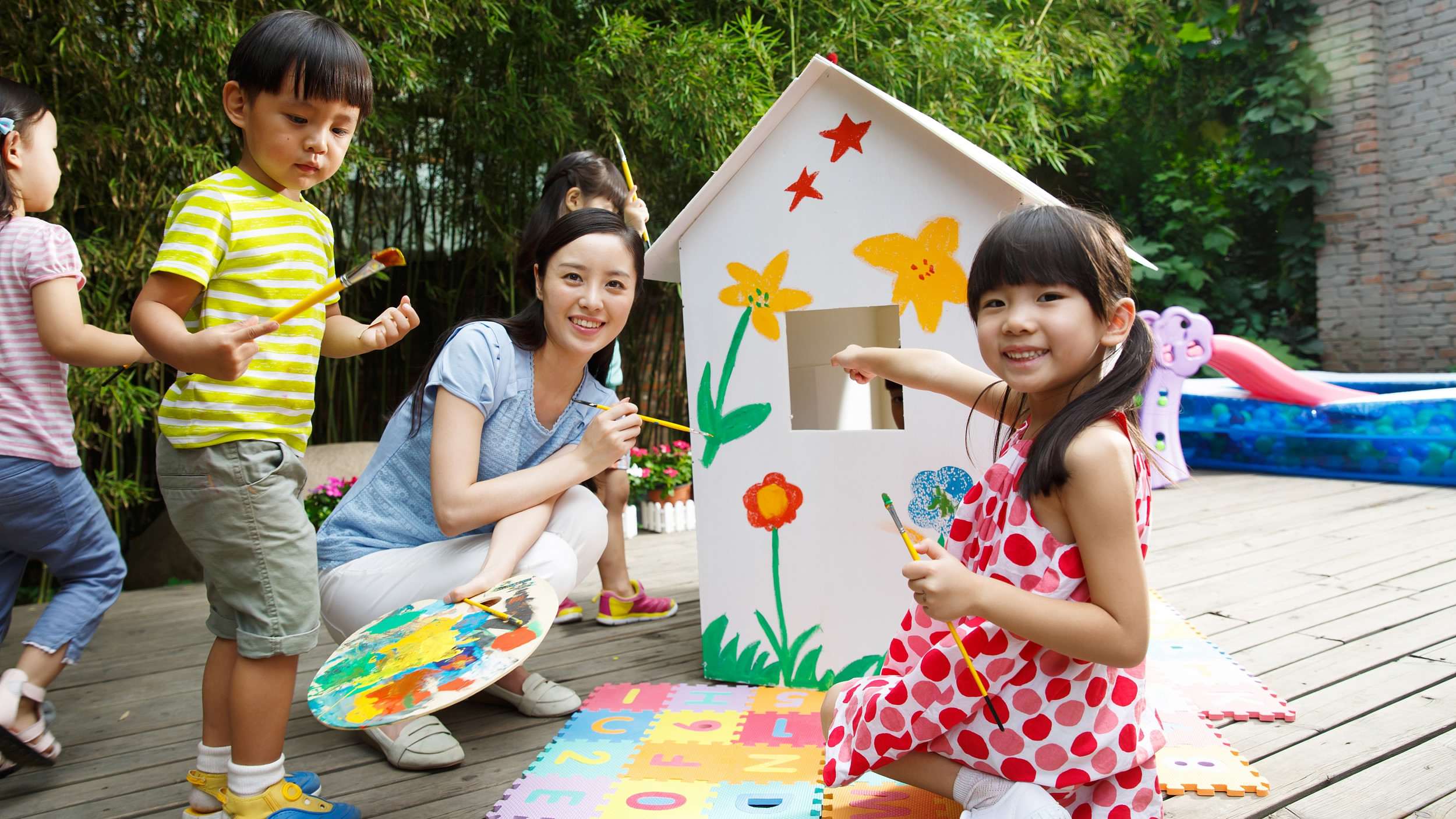
It might be the first time you hear about it, but "child walker" is actually a job in hot demand by Chinese working parents. And despite the name bringing to mind another occupation dealing with loud dogs, tangled leashes and minimal financial rewards, "child walking" can be carried out indoors and aims to develop skills for children's social and educational progress.
Unlike babysitters, "child walkers" are professionally trained university graduates who have psychology, social sciences, child-related or education degrees. They also differ from kindergarten teachers in the type of activities they offer to children – which go far beyond singing or dancing.
The extracurricular activities designed by these childcare specialists help children gain common scientific knowledge, develop their personality, nurture new hobbies, and learn communication skills and life hacks, often through games, experiments and firsthand contact with the outside world.
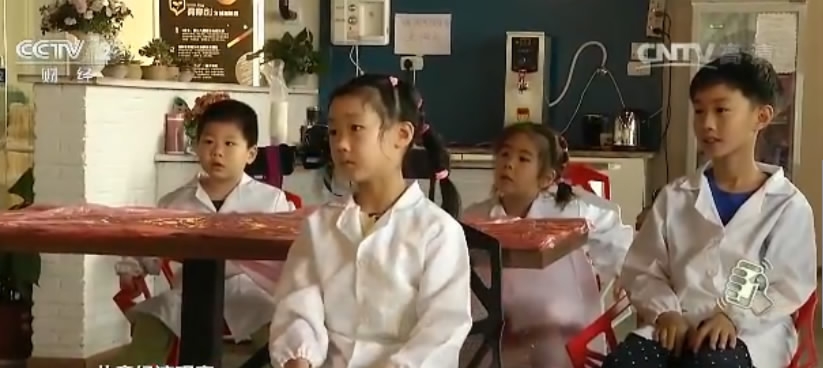
Children participating in a lab experiment as part of a curriculum devised by a "child walker". /CCTV screenshot
Children participating in a lab experiment as part of a curriculum devised by a "child walker". /CCTV screenshot
"Child walkers" are gaining rapid popularity in China as busy parents seek to keep their kids entertained but also enlightened, and look for new educational platforms that do not simulate classroom environment.
Zheng Wei is a 24-year-old "child walker" who majored in early childhood education in university and has held over 4,000 extracurricular events in the past two year at Wanfantian Technology Company in the city of Wuhan in central China's Hubei Province.
“To be a ‘child walker’ you must be able to multitask. The job requires me to be a host, a teacher, a PE instructor and a tour guide. Moreover, I need to be familiar with basic healthcare knowledge,” Zheng explained in a report aired on CCTV this week.
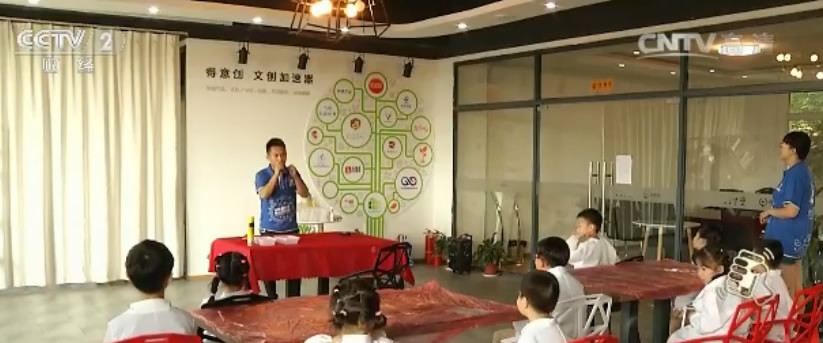
24-year-old Zheng Wei, a "child walker," teaching during an extracurricular event. /CCTV screenshot
24-year-old Zheng Wei, a "child walker," teaching during an extracurricular event. /CCTV screenshot
The young “child walker” can earn over 10,000 yuan (1,500 US dollar) per month, while kindergarten teachers are usually paid an average of 4,000 to 5,000 yuan (600 to 650 USD) in Wuhan.
Services provided by Wanfantian include peach picking, cake baking and touring flee markets to teach kids about trade and the value of money.
Fees for participation start from ten yuan (1.5 US dollars) and could reach hundreds of yuan, depending on the activity.
“Cost is not my major concern,” one parent told the CCTV reporter. “I respect my child’s interests and choices.”
According to Xie Zhen, CEO of Maitao Lab, another company providing "child walking" services, parents are willing to pay for their services because they group different activities into packages in a systematic way.
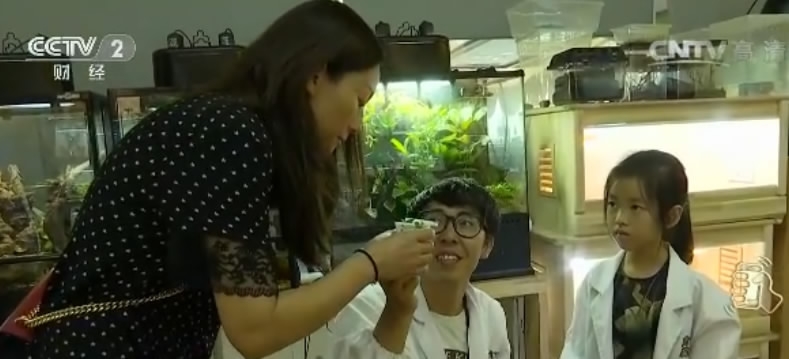
A mother and her child participating in a lab event. /CCTV screenshot
A mother and her child participating in a lab event. /CCTV screenshot
Despite growing demand for "child walking," the industry has neither been defined nor regulated officially. There exists also no certificate validating “child walker” as a profession.
Furthermore, with lack of social recognition and intellectual property protection, some established “child walking” services have been battling with smaller agents who copy their curriculum and offer similar services at competitive prices, without having any qualification.
Despite the challenges, Feng Tingting, founder of Wanfantian, still has faith in the growing industry.
“I see a bright future for ‘child walkers’. If the government can support and officially recognize the profession, not only children and parents can benefit from our services, but also young people can be introduced to more job opportunities.”