Seal paste: A different artform for ancient Chinese academics






By CGTN's Lee Min-Zhui, Xu Zhengyin
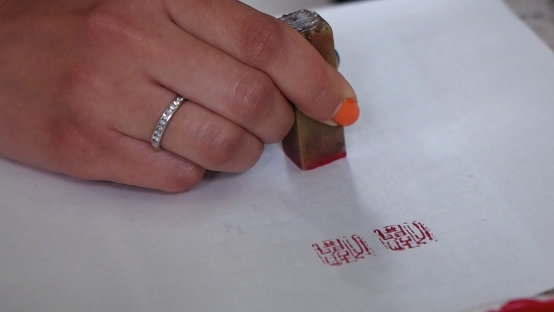
As a simple of authorship, seal paste, or yinni in Mandarin, literally meaning stamp clay, is the ink that is used when people stamp a document or a piece of art with a Chinese seal.
It may not be one of the lauded “Four Treasures of the Study” – brush, paper, ink stick and ink stone – but it was still very important to ancient Chinese academics.
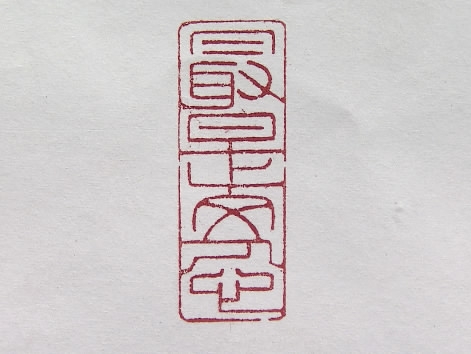
The seal paste’s standard colour is vermilion red. /CGTN Photo
In general, the seal itself isn’t the owner’s moniker – it could be a nickname, a company’s name, a location or whatever the owner wants. As long as it is chopped onto the paper, the seal becomes more than just a signature – it becomes a part of the masterpiece as well.
It is manufactured from finely pulverized cinnabar, a form of mercury sulphide ore, carefully combined with castor oil and fibres of the mugwort plant.
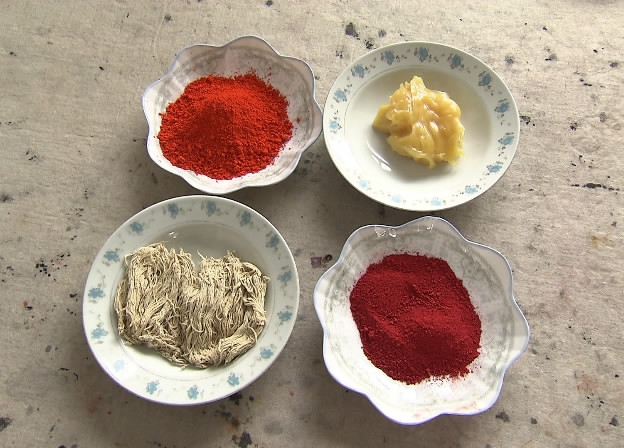
Seal paste is manufactured from finely pulverised cinnabar, combined with castor oil and fibres of the mugwort plant. /CGTN Photo
The seal paste’s standard color is vermilion red, but other colors such as black or yellow could be used for specific purposes. Usually, the color of seal paste is chosen to balance the whole color of the art item.
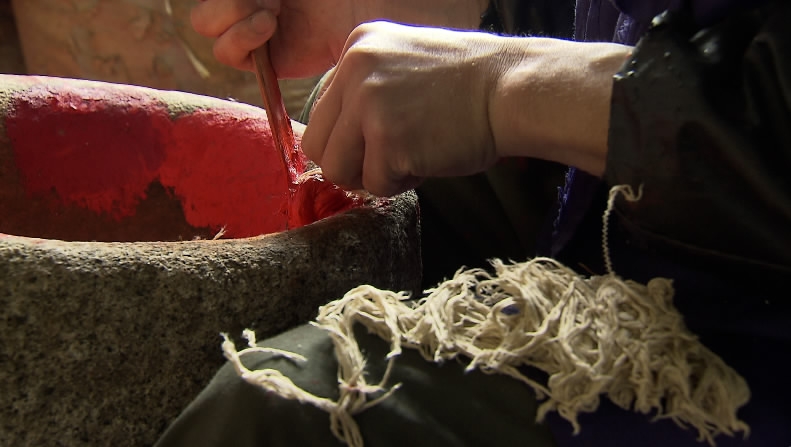
Good quality seal paste can last hundreds of years. /CGTN Photo
Good quality seal paste is traditionally kept in a lidded porcelain container and can last hundreds of years. It will neither ooze in the summer nor congeal in the winter.
- EXPLORE
- MORE