BUSINESS


Kitchen incubator cooks up new F&B concepts in Beijing
2017-02-13 22:47 GMT+8







Editor
Huang Tianchen
By CGTN's Grace Shao
- Twenty-one F&B concepts in one restaurant
- Three pillars: “one license”, centralized marketing and operations management
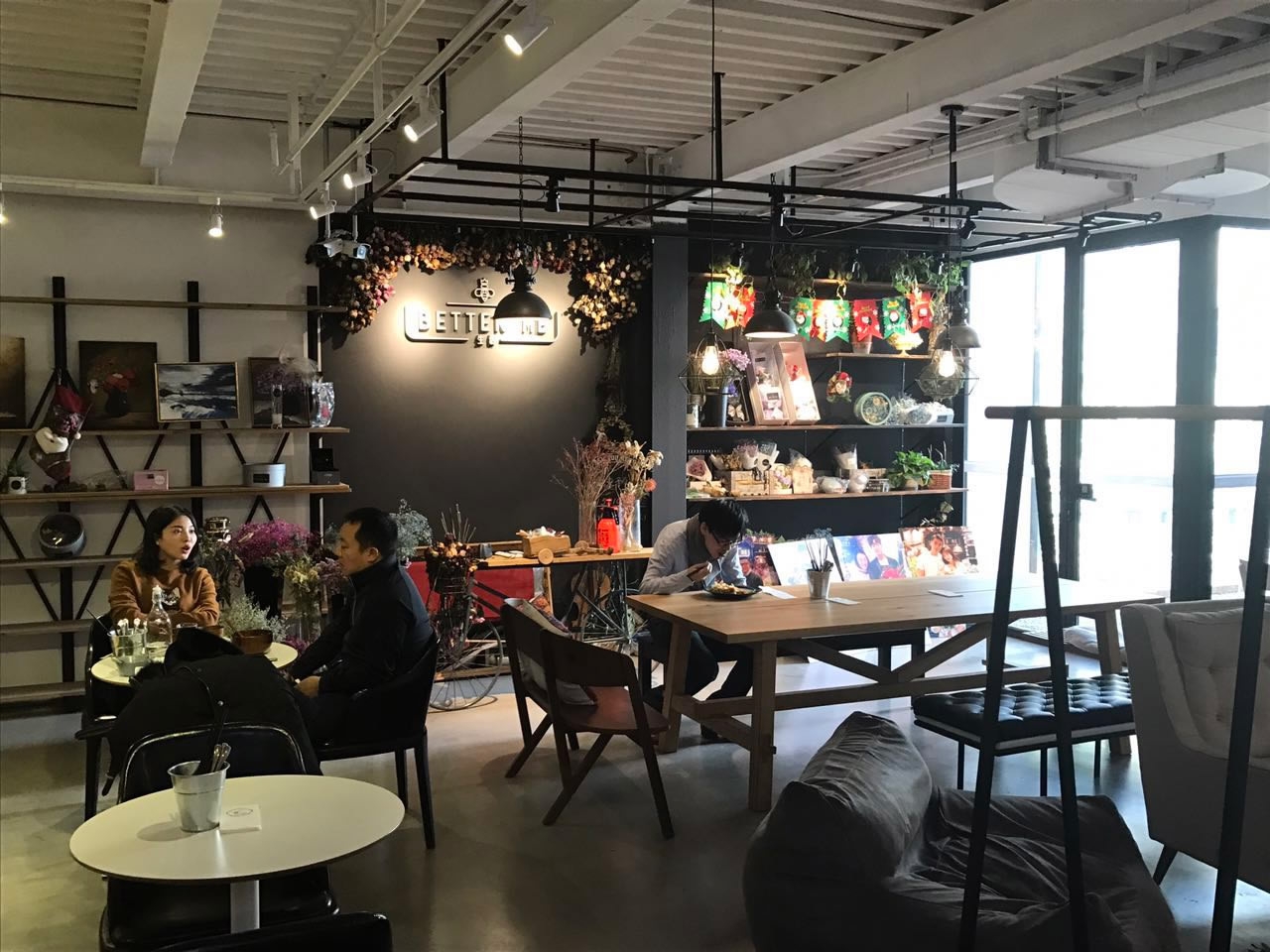
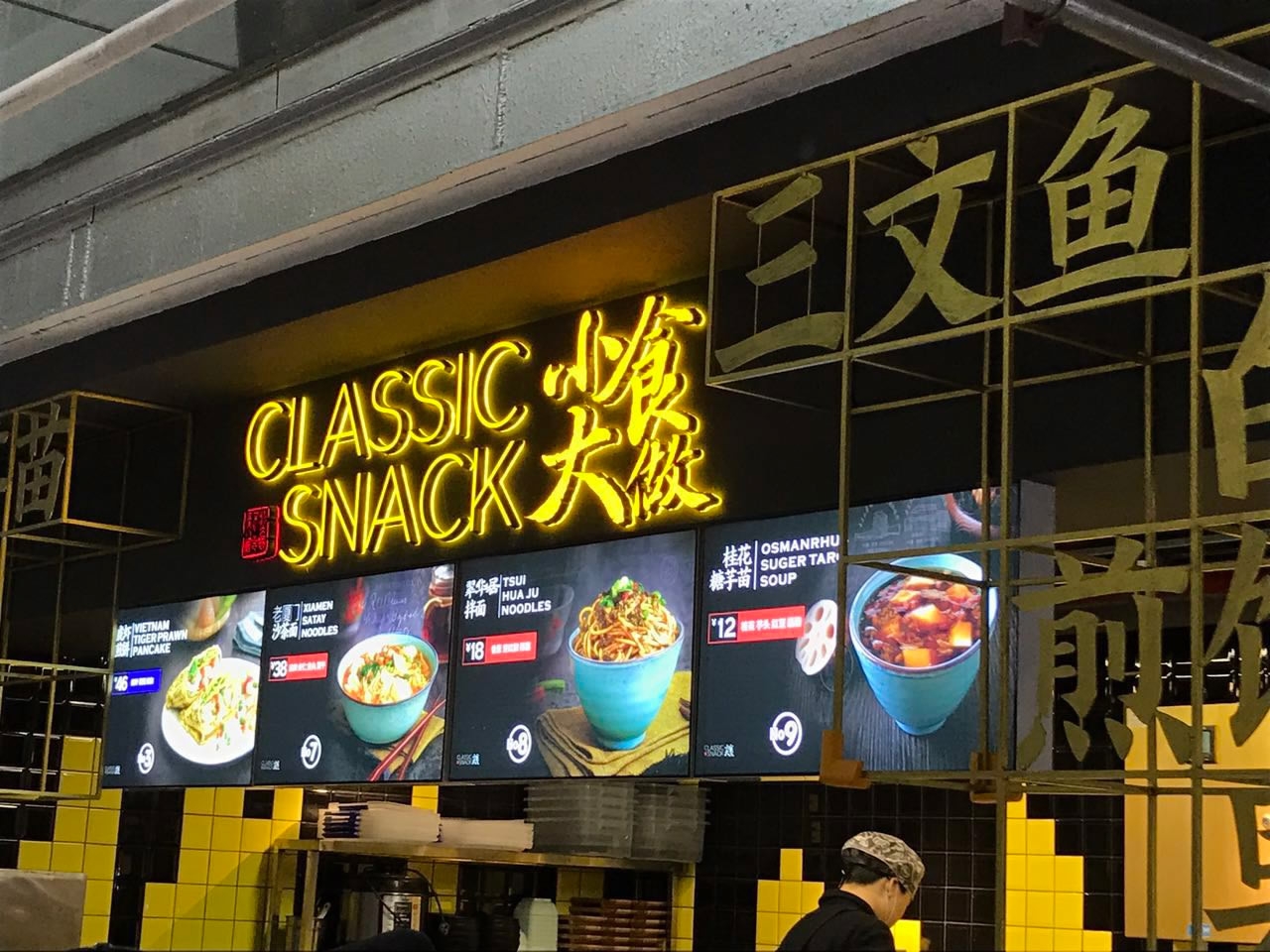
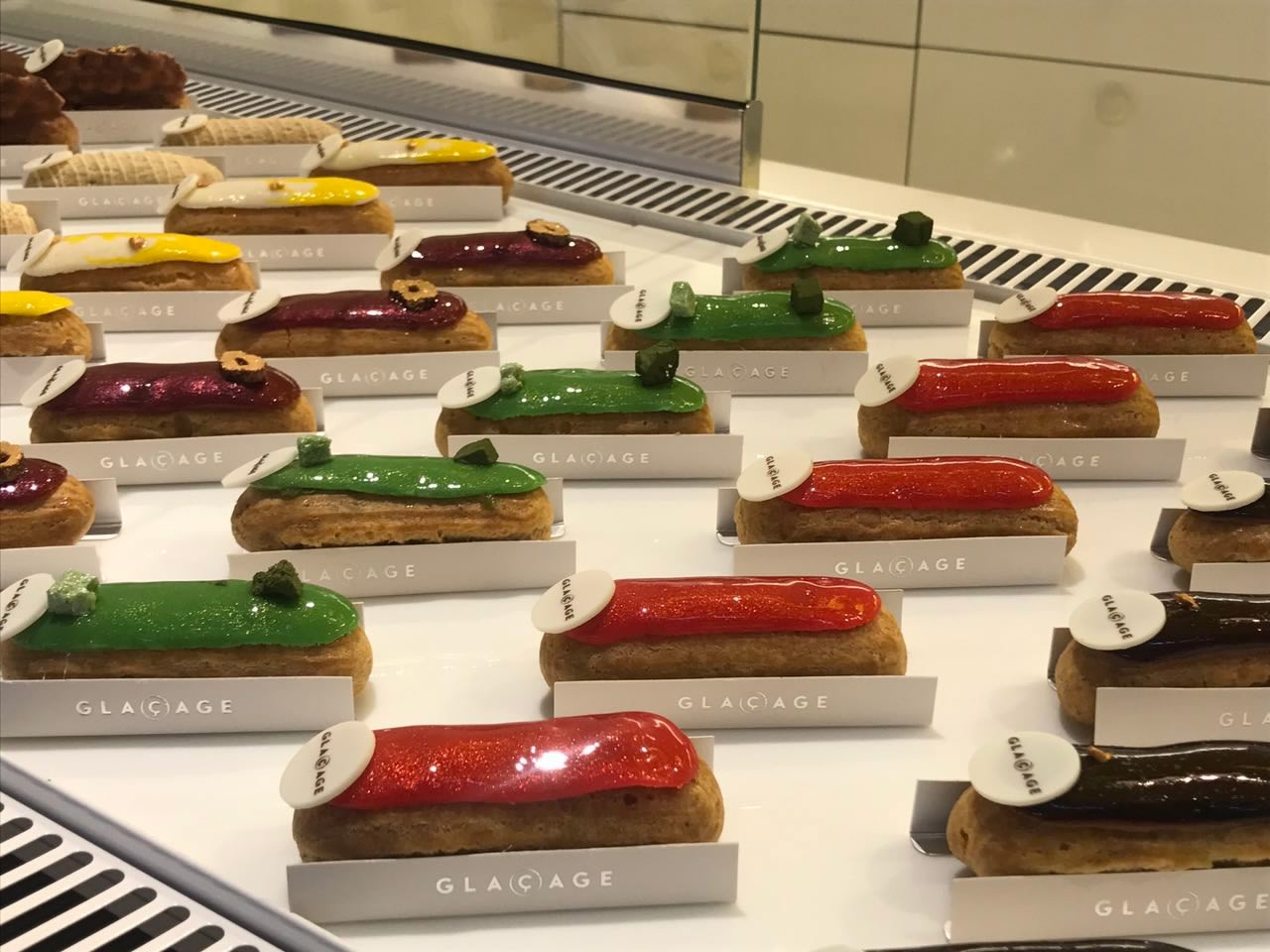
A former factory in the heart of Beijing has been transformed into a kitchen incubator. The shared space allows up-and-coming restaurateurs to try out new concepts without breaking the bank. Twenty-one different merchants share this 2,200 square-meter, two-floor restaurant that is nourishing new food and beverage concepts. The restaurant offers cuisine from around the world: Vietnamese, Thai, Mexican, Chinese, American BBQ, to name but a few.
Inspired by Anthony Bourdain’s Bourdain Market in New York and Eataly in Turi, co-founders Justin Wang and Hsu Lee decided to combine their expertise in F&B and shared space incubation - and came up with the Crib.
CGTN Photo
The Crib helps budding entrepreneurs in many ways: first, it helps individual vendors negotiate government bureaucracy, such as licensing. Second, The Crib helps vendors with marketing by organizing events regularly. Third, The Crib optimizes operating costs and efficiency. With a centralized cashier system and cleaning teams, labor costs are streamlined. Last but not least, it helps build a sense of community, providing vendors an opportunity to learn from each other.
CGTN Photo
The Crib receives a basic rental fee from each vendor and a commission fee based on the location of the merchant's shop in the restaurant. The vendors can opt-out of the agreement after a year, and The Crib can make changes to the vendors if their revenue does not reach three times the rent. Because 21 vendors operate under one license, The Crib requires rigorous standards from all, requesting every single ingredient used be documented and approved.
Shi Tou, the owner of Stone Kitchen, has been running a Guilin noodle shop since 2008, but he chose to move his shop into The Crib because he says he can focus on delivering the best product to customers and not have to worry about marketing or operations.
CGTN Photo
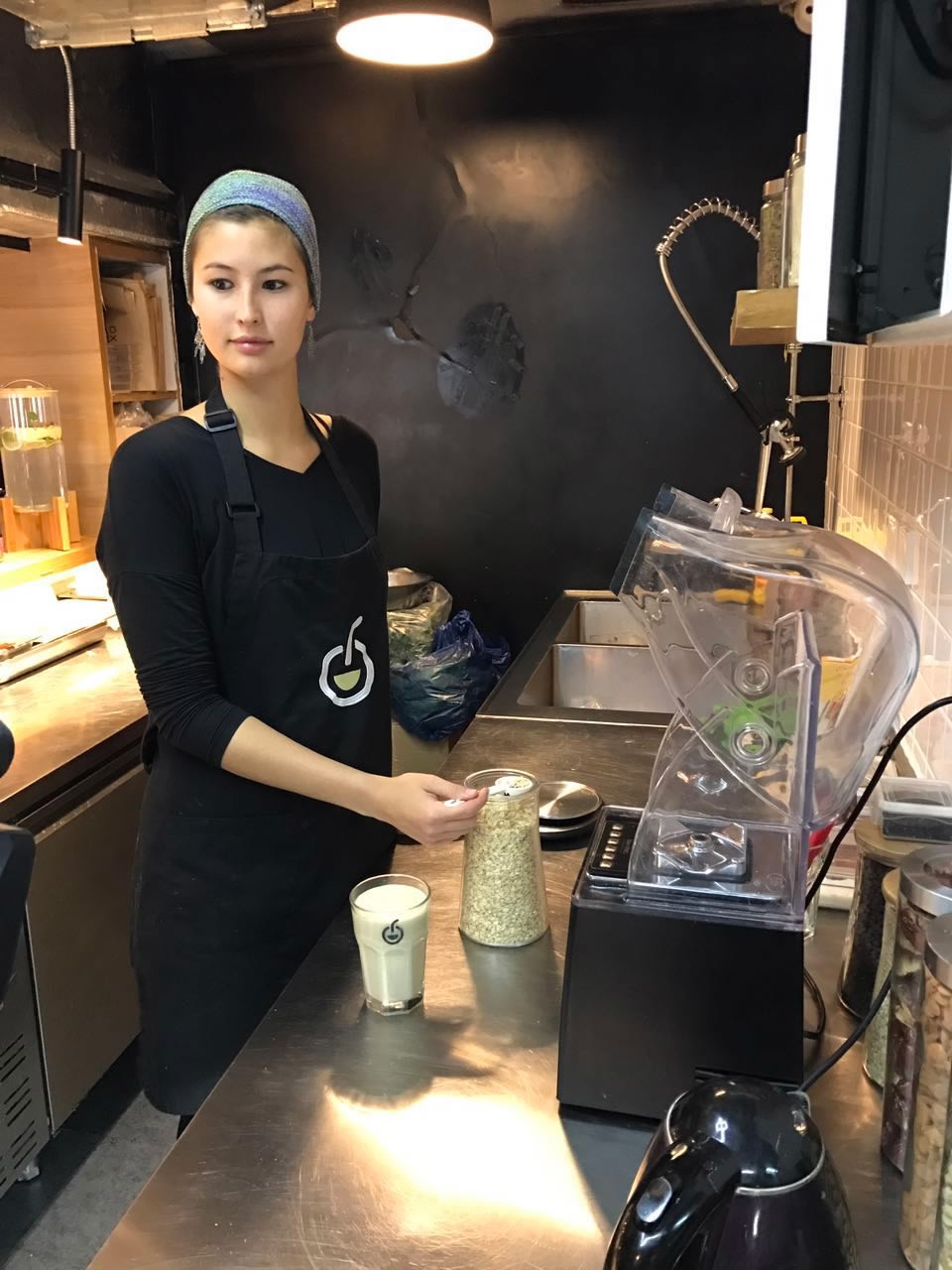
Nooxo, a health-conscious Latin-American fusion start-up is also choosing The Crib for its community. The co-founder, Jay, said that the vendors are very friendly to each other and they can all learn from each other in this space. There is no competition because each vendor specializes in such different kinds of cuisine. For him, a foreigner, the “one-license” business model helps him tremendously as he no longer needs to worry about miscommunication with government officials.
CGTN Photo
With the introduction of this kitchen incubation business model, The Crib is helping entrepreneurs realize their F&B dreams and moving Beijing higher up the list of the international must-visit destinations for foodies.
Copyright © 2017
SHARE
- EXPLORE
- MORE
FOLLOW US