
By CGTN's Martina Fuchs
CGTN spoke to some of the world’s top media organizations to feel the pulse of journalists covering the Two Sessions and hear their views about China’s upcoming political season.
Here’s what they had to say:
Jaime FlorCruz, former CNN Beijing bureau chief
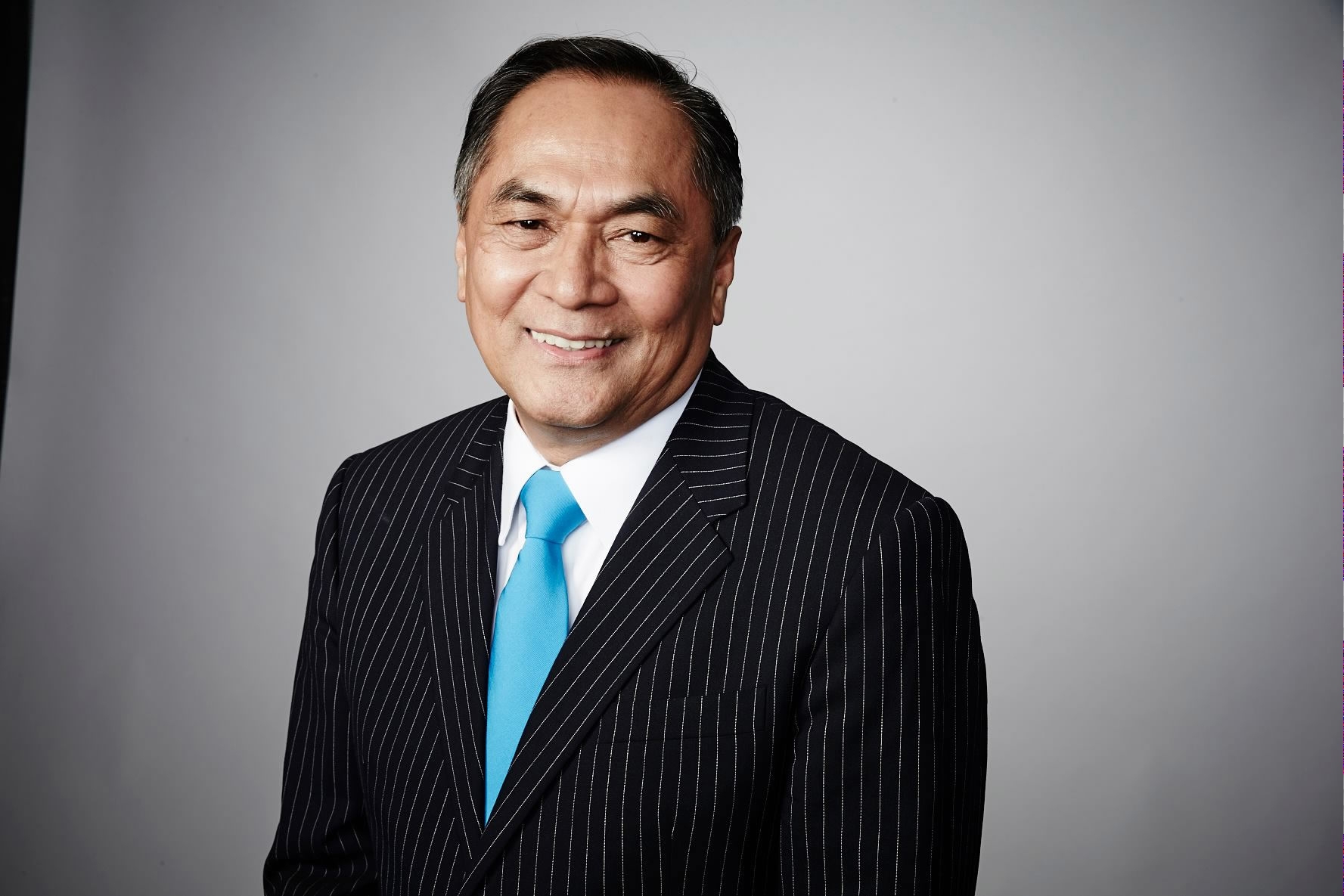
Former CNN Beijing bureau chief Jaime FlorCruz. /CNN Photo
This year's Liang Hui can be expected to focus on anti-corruption, climate change and other long-term issues. They beg fundamental, institutional solutions, especially in implementation of existing laws. Of course, other pressing issues must be on the agenda: job creation, bridging the rich-poor gap, and keeping sustainable growth. China must quickly move from "made in China" to "created in China" through innovation and by further opening up.
Pascal Nufer, East-Asia correspondent, Swiss National Television SRF
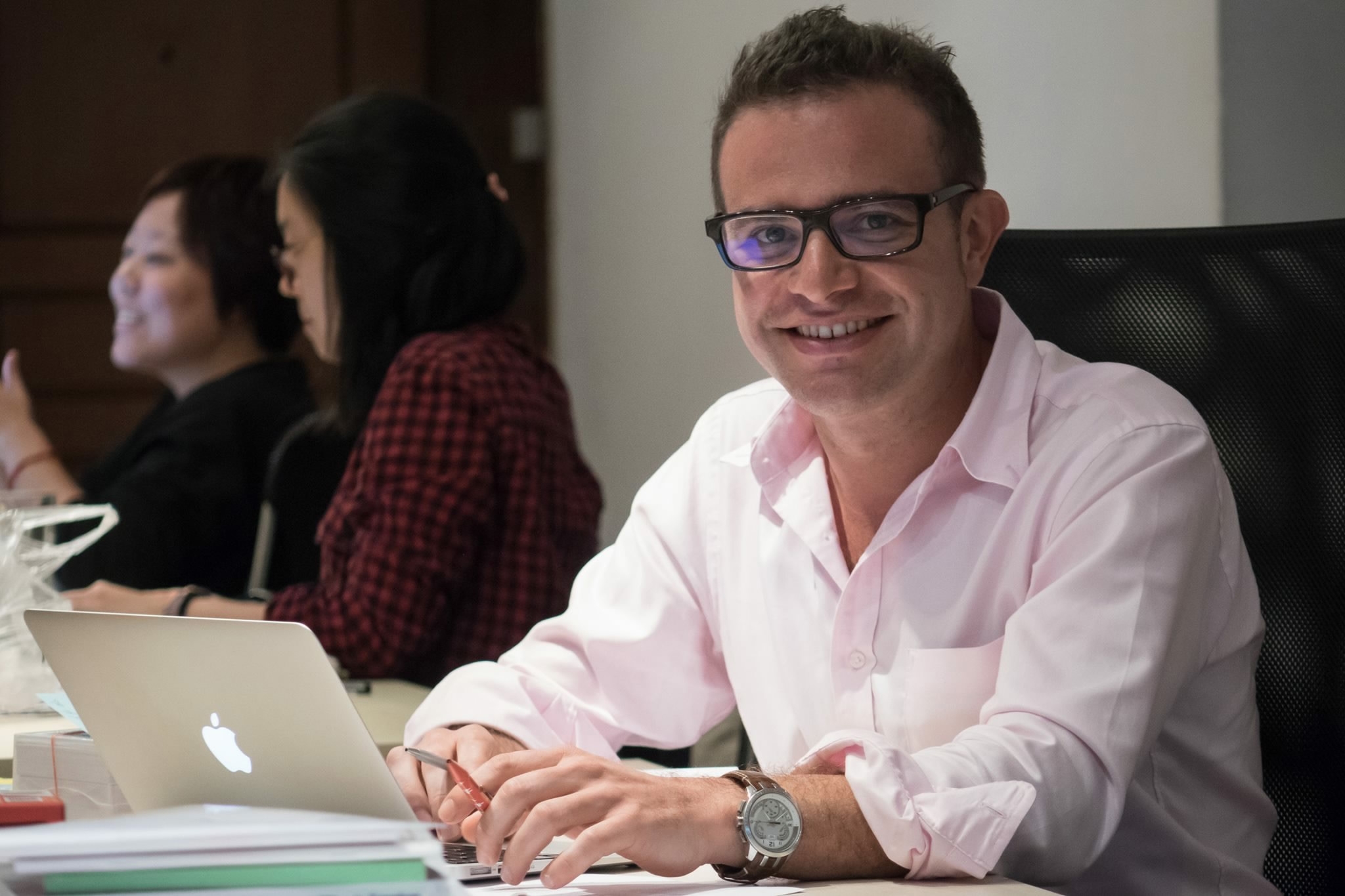
Swiss National Television’s Pascal Nufer. /SRF Photo
This year, the Two Sessions for me include quite a lot of tea-leaf-reading. The meetings are the last big gathering of high-ranking Chinese politicians before one the biggest reshuffles in China's top ranks will start in the autumn. For journalists, this is one of the rare windows of opportunity we get to start our guessing game on who might be in the best spot for higher positions.
I expect that the growth rate will once again be corrected lower, while another interesting question is also the figure of military expenditure. Furthermore, I am very curious to hear how China will commit to its environmental goals and also how it sees its future global role following the US presidential election.
Ken Wills, Beijing bureau chief, Bloomberg News

Bloomberg News’ Beijing bureau chief Ken Wills. /Bloomberg Photo
The civil code is the main thing on the agenda this time, and the delegates will pass that - we are very interested in that. It depends on how that code is implemented to see how the reality on the ground matches the language.
To us, the key again is the economy. Whether the government can sustain growth without the fiscal, financial, monetary stimulus that has propped up the growth so far.
Two other issues I'll mention: One is the military budget which will be announced on the first day of the NPC, we'll be interested in seeing how that reflects China's assertiveness in the South China Sea and elsewhere. And also we'll be looking for any ministerial appointments and other personnel changes.
Ryan Woo, Beijing bureau chief, Thomson Reuters

Thomson Reuters’ Beijing bureau chief Ryan Woo. /CGTN Photo
Further opening up of China's economy to foreigners, I feel that is something that will progress this year.
Equally important is that China recently said that it will further level the playing field for foreign companies, and again this is important because the very industries that China is trying to build up need the foreign capital and expertise to help them grow.
What I find very interesting this year is the One Belt, One Road. I would say it's a historic initiative for China, it's hugely ambitious, it's a grand vision of how China will further engage with its trading partners, there are dozens of countries involved. It's a very complex plan, so I expect to hear more about it from government officials this year and I'm really excited. I think this will be the One Belt, One Road year.