
10:40, 01-Dec-2017
South African Culture: Sbhujwa takes Soweto by storm
 []
[]
Share







Copied
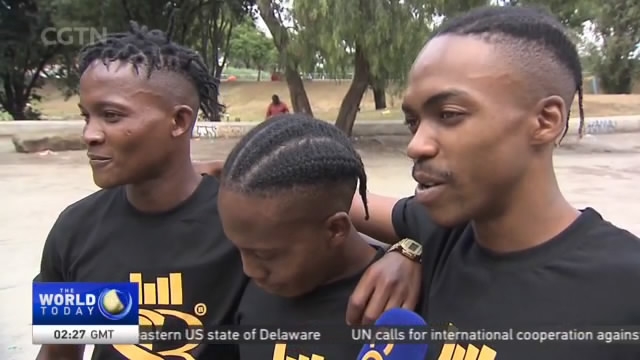
In South Africa, a new dance form has taken the township streets by storm. SBhu-Jwa is a sub culture that developed from the 60's dance phenomenon, Pan-sula. The style found its roots with the youth of Soweto, as CGTN's Julie Scheier discovers.
Meet The Tribe - proponents of the new dance form Sbhujwa.
MPHO SBHI SBHUJWA DANCER, THE TRIBE "Sbhujwa was inspired by i-Pantsula from the street dance so the street dancers where the ones to discover the Sbhujwa culture."
BONGANI SEYAMA SBHUJWA DANCER, THE TRIBE "The difference between Pantsula and Sbhujwa is that Pantsula is more based on footwork and the tempo of Pantsula is faster than the tempo that we use in Sbhujwa - Sbhujwa is versatile - you can improvise - you can do what-ever you want."
And it's taking the streets of Soweto by storm.
MPHO SBHI SBHUJWA DANCER, THE TRIBE "What's special about Sbhujwa is sometimes you can dance without music - you here my brothers chanting moral support to boost your confidence and strength to dance like you never danced before."
JULIE SCHEIER SOWETO, SOUTH AFRICA "And it is impossible to keep still when Sbhujwa dancers are at their moves and even I gave it a go."
The name 'Sbhujwa' is derived from the French word 'bourgeois' - meaning stylish and trendy. But here, Sbhujwa has nothing to do with material wealth.
KARABO MOCHELA SBHUJWA DANCER, THE TRIBE "Sbhujwa is our life - Sbhujwa is our culture - Sbhujwa means the world to us - Sbhujwa is a life style Sbhujwa is a movement so each and every-day we live this sometimes it is difficult to live because of funding but this is us this is so special."
NO SUPER "Our lingo our language - Bujengho - that's how we greet each other as the khasi so this is our style - it is our culture. What we live here is our culture."
Since bursting onto the South African music scene, many dancers have come together to bring positive Sbhujwa vibes to cities around the country.