POLITICS


Opinion: Trump’s team takes first hit in Flynn’s exit, but will it inflict lasting damage?
2017-02-15 16:12:59 GMT+8
11167km to Beijing






Editor
Li Kun
Guest commentary by Shastri Ramachandaran
US National Security Adviser Michael Flynn’s resignation is a major blow to President Donald Trump. Less than three weeks after taking over, Trump has been forced to let go of a controversial senior aide.
Flynn reportedly misled officials and Vice President Mike Pence over his post-election contacts with Russia and conversations with Russia’s US Ambassador, Sergei Kislyak. In talks with Kislyak, as a private citizen before taking office, Flynn discussed sanctions against Russia. Earlier, he had not only denied, but failed to inform Vice President Pence that the talks extended to discussing sanctions, which may have compromised him as National Security Advisor (NSA).
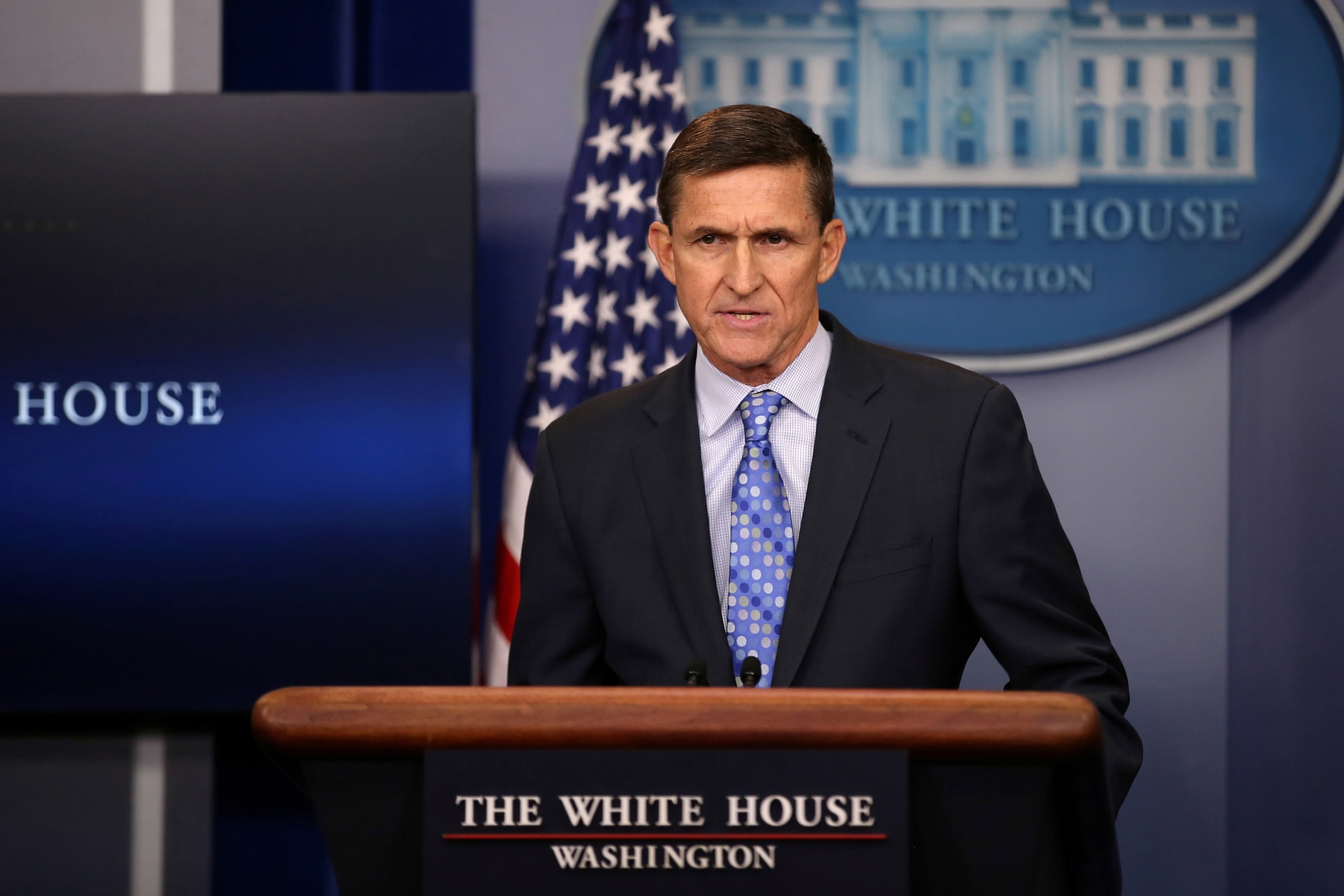
Michael Flynn delivers a statement daily briefing at the White House in Washington U.S., February 1, 2017. /CFP Photo
In his resignation, Flynn conceded he had conducted many phone talks with the Russian envoy during the transition period and that he gave "incomplete information" about those exchanges to Pence. The latter, in good faith, took Flynn at his word and initially said that the NSA had not discussed sanctions with the Russian. But Flynn himself later admitted that the issue may have been discussed. This exposed the vice president to the charge of denying, on behalf of Flynn, “allegations” that have now turned out to be true.
Under the Logan Act, it is illegal for private citizens to conduct US diplomacy, and Flynn may have violated this. Flynn's conversations are also a breach of diplomatic protocol, and his talks with the Russian raised questions, such as whether he gave any assurances about the Trump Presidency’s approach to dealing with sanctions.
Reports In January said that the White House had been warned about Flynn’s indiscreet and improper discussions with Kislyak, and that Flynn, as the president’s chief adviser on global affairs, security and defense could be susceptible to blackmail. Though a staunch Trump supporter, Flynn’s ties to Russia gave rise to serious concern among administration officials.
So what does this mean for Trump and US-Russia relations?
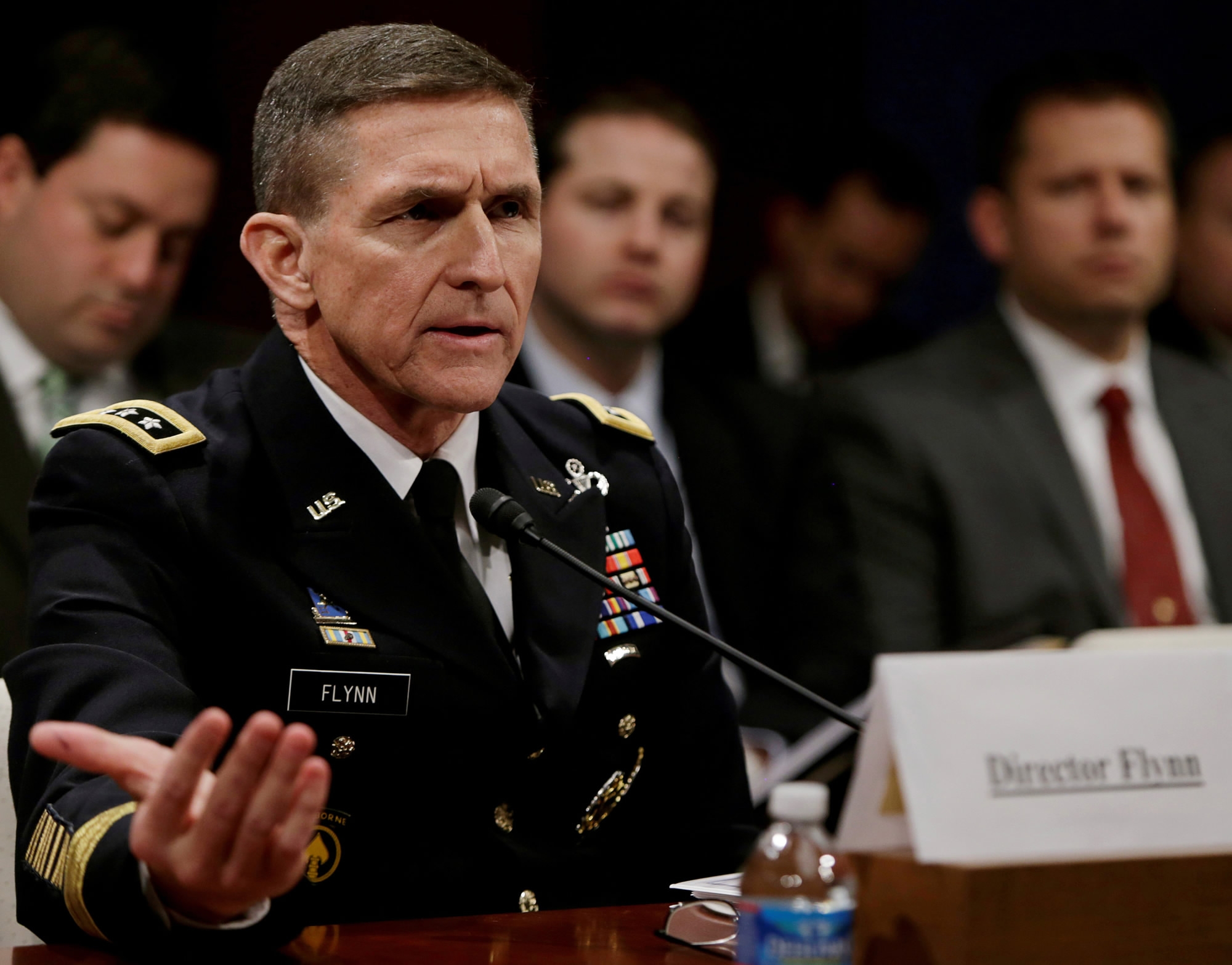
Michael Flynn testifies before the House Intelligence Committee on "Worldwide Threats" in Washington on February 4, 2014. /CFP Photo
It is a jolt to the president’s team of senior aides that one of them had to quit so early on in the life of the administration, and the opposition has scored a hit. The Democrats may now turn more aggressive against other Trump appointees. Republicans not wholly behind Trump might be encouraged to speak out, or act against his appointments. Officials, especially holdovers from Obama’s time, would be more vocal in opposing Trump’s policies and personnel choices. Dissenting voices within, particularly in the Justice and State Departments, may increase.
However, a determined Trump, firm on his appointments, may be unfazed from going ahead with his choices. At best, he may scrutinize more closely the records of others close to him before picking them for office.
The domestic setback is unlikely to impact US-Russia relations. Trump is committed to improving ties with Russia. Too much is at stake in the Middle East and in Afghanistan, among other hot spots, to let Flynn’s exit worsen relations further with Russia. What should be watched is how Trump succeeds in his diplomacy with Russia, the US-Russia relationship had become increasingly acrimonious under President Obama. Equally important is how Trump overcomes the US establishment’s deep-rooted hostility to Russia.
(Shastri Ramachandaran is an independent journalist and global affairs commentator based in New Delhi. He worked as senior editor and writer with China Daily and Global Times and was previously senior consultant and editor of China-India Dialogue. The article reflects the author's opinion, not necessarily the view of CGTN.)
11167km
Copyright © 2017
SHARE
- EXPLORE
- MORE
FOLLOW US