
17:56, 28-Feb-2019
Highlight: What is the Decision-making System of the CPC?

Share






Copied
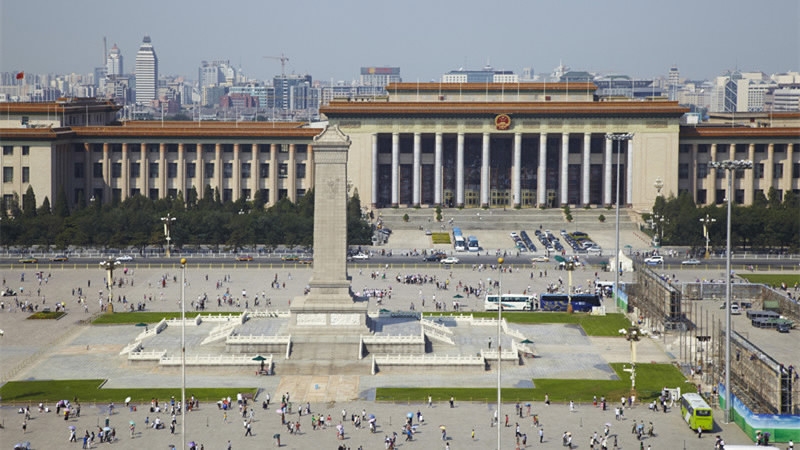
The CPC is a huge organization, with almost 90 million members at multiple levels, how then are decisions made? Part of the answer is that the CPC continues to change the process in order to adapt to current conditions. R.L. Kuhn discussed CPC decision making with Xie Chuntao, Party School of the CPC Central Committee.
“Ever since reform and opening up, the CPC Central Committee’s decision-making has been constantly moving toward a more democratic and scientific end. If it wants to study any issue, members would start one year in advance. Let’s say the next topic of discussion for the plenary meeting of the CPC Central Committee will be set by the Politburo. Beforehand, opinions will be solicited extensively. The topic will be officially settled only after provincial Party committee, ministerial level party cadres, and others reach a consensus.
The central leaders and policy researchers will research on the topic to look for solutions. Many people will get involved. Sometimes multiple organizations will participate by dividing a big topic into smaller ones. I myself have once been part of the research and investigation. The final result of research and investigation will be compiled for the leaders’ revision and serve as references for further decisions. The official document will be drafted on the basis of extensive research and investigations.
Often the drafting takes months or even half a year under the leadership of central leaders. Following the initial draft, further surveys will be held to cover thousands of people. Party leaders above provincial levels almost all have a chance to express their opinions. Leaders from democratic parties will also be consulted. From experts to grassroots representatives, everyone’s opinion assists in the modification and improvement of the document. After rounds of opinion collection and content revising, the meeting will be held upon a great deal of consensus and may last only a short period. Maybe three or five days would be fairly enough for a decision to be successfully passed.
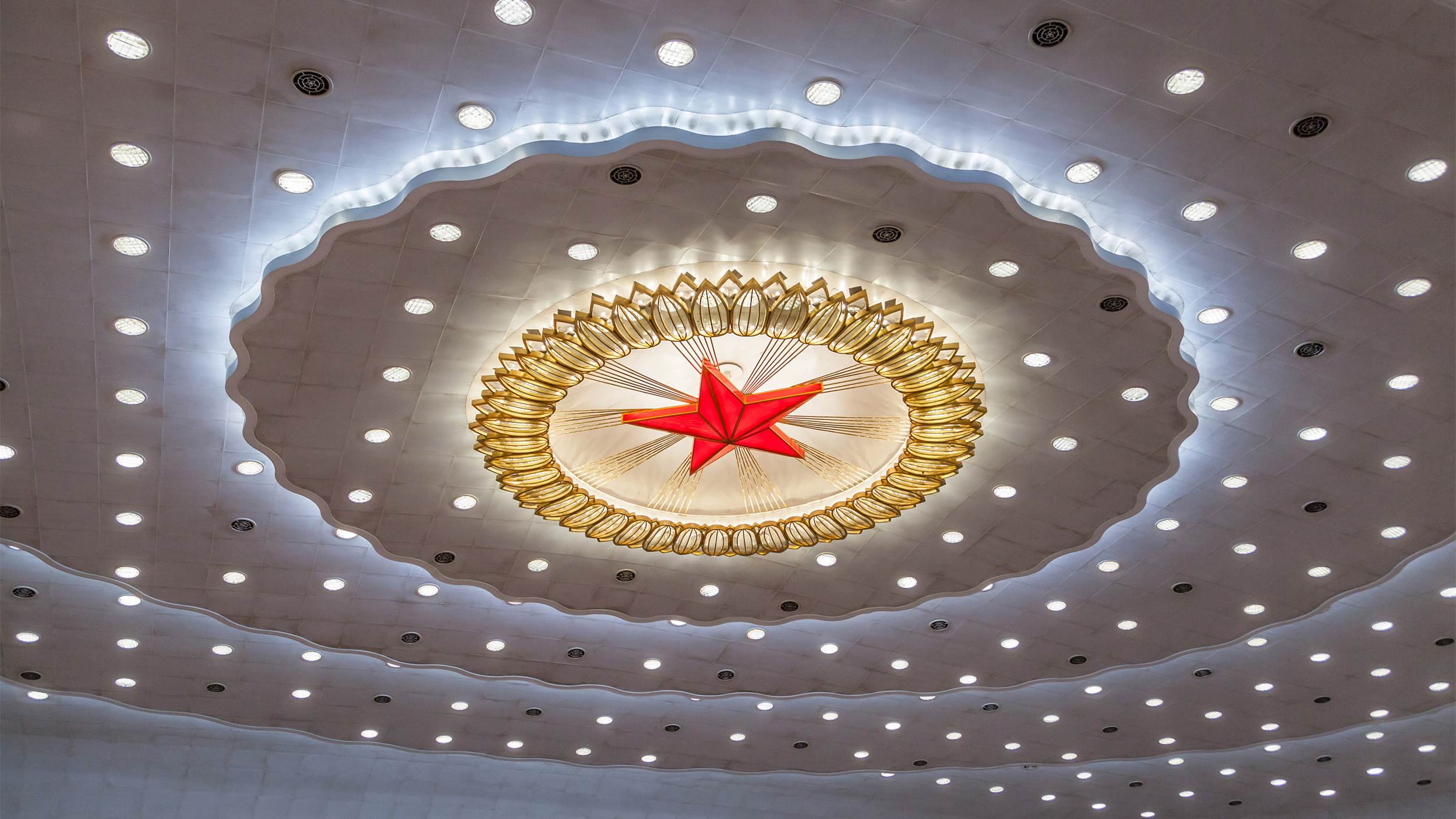
The Indoor scene of the Great hall of People
The Indoor scene of the Great hall of People
The approved decision will then be implemented by relevant parties afterwards. As I see it, this process upholds democracy and guarantees scientific decision-making with the consensus reached beforehand. Then implementation would also be highly efficient. I believe the Chinese decision-making institution and procedure reflects its own supremacy.
The CPC Politburo first decides the topic of the meeting. The plenum of the CPC Central Committee convenes at least once a year, and the topics selected are all major ones and are decided upon almost one full year in advance. Before a topic is selected, opinions from all sides will be heard. With the topic confirmed, central leaders and other local people in charge will carry out in-depth investigations into the topic.
Some think tanks are also involved. For example, our Party School of the CPC Central Committee will shoulder responsibility for certain research tasks. Actually, many organizations will be involved. We all deliver our research report to the Central Committee as drafting reference. Central leaders like President Xi Jinping may organize a team to draft the document. In the drafting process, more people, several thousand including the Central Committee members, will be asked for suggestions. Anyone who gets a chance to view the draft has the right to make comments and suggestions.
Even after revisions and modifications, there could still be new rounds of opinion collection. When the time for the official meeting finally comes, people have already reached a consensus. So even if there is still modification and revision, it will be very specific, concerning wording and technicalities. Because people agree on the document, an easy approval is but a natural result.”