Oldest known fossils of human species unearthed in Morocco






The oldest known fossils of human species have been unearthed in Morocco, the Moroccan National Institute of Sciences of Archaeology and Heritage announced on Wednesday.
At about 300,000 years old, they are 100,000 years older than any other known remains of our species, Homo sapiens. Their northwestern African location is also thousands of miles from eastern Africa, the region of the previous most ancient findings.
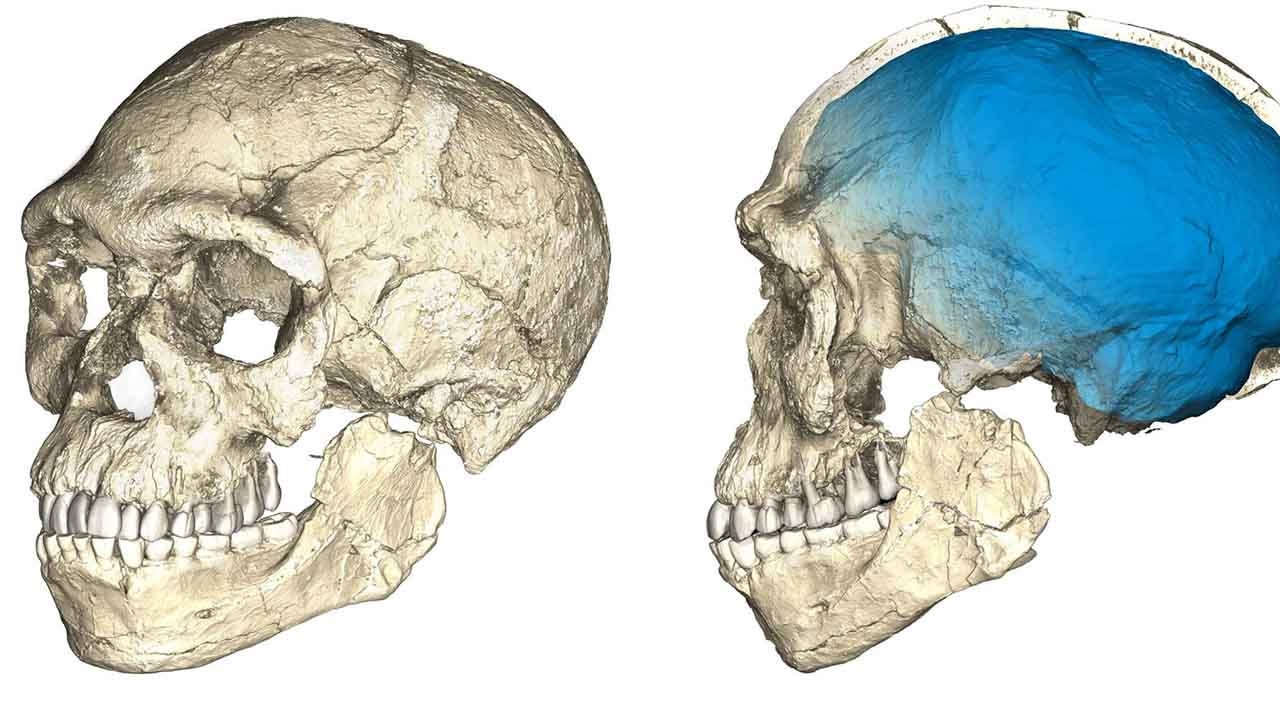
Comparison of the skulls of a Jebel Irhoud human (lleft) and a modern human (right) /Moroccan National Institute of Sciences of Archaeology and Heritage Photo
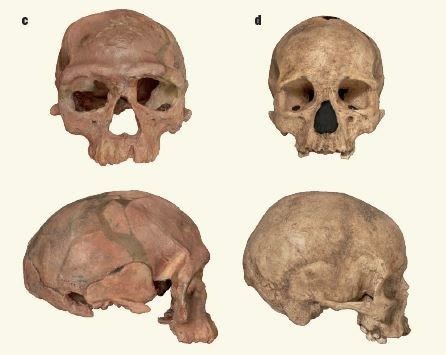
The bones reveal people from an early stage of our species' evolution.
"In the Jebel Irhoud humans, we have part of the anatomy that is already very close to what see in living humans. But other parts that have still to undergo a long evolutionary process, especially the brain," said Jean-Jacques Hublin, one of the scientists reporting the find.
But he also added, "It's people we would recognize like us if we were to cross them in the street."
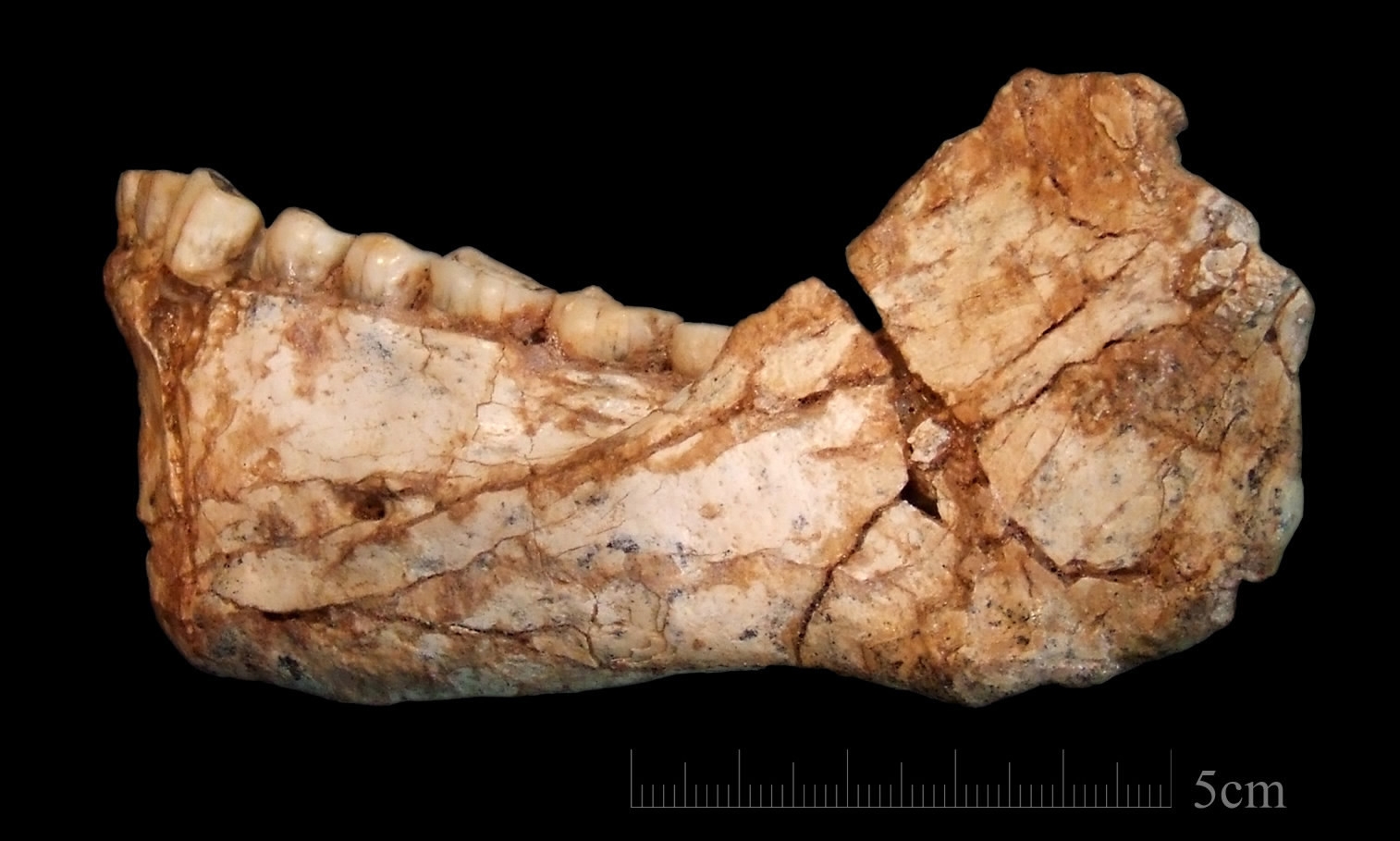
An almost complete adult mandible discovered at the Jebel Irhoud site in Morocco. /Moroccan National Institute of Sciences of Archaeology and Heritage Photo
The discovery however does not mean that our species arose in northwestern Africa, Hublin said.
Coupled with other evidence, it does suggest that Homo sapiens may have reached its modern-day form in more than one place within Africa, said Hublin, of the Max Planck Institute for Evolutionary Anthropology in Leipzig, Germany and the College de France in Paris.
Our species evolved from predecessors who had differently shaped skulls and often heavier builds, but were otherwise much more like us than, say, the older ape-men most famous for the skeleton called Lucy.
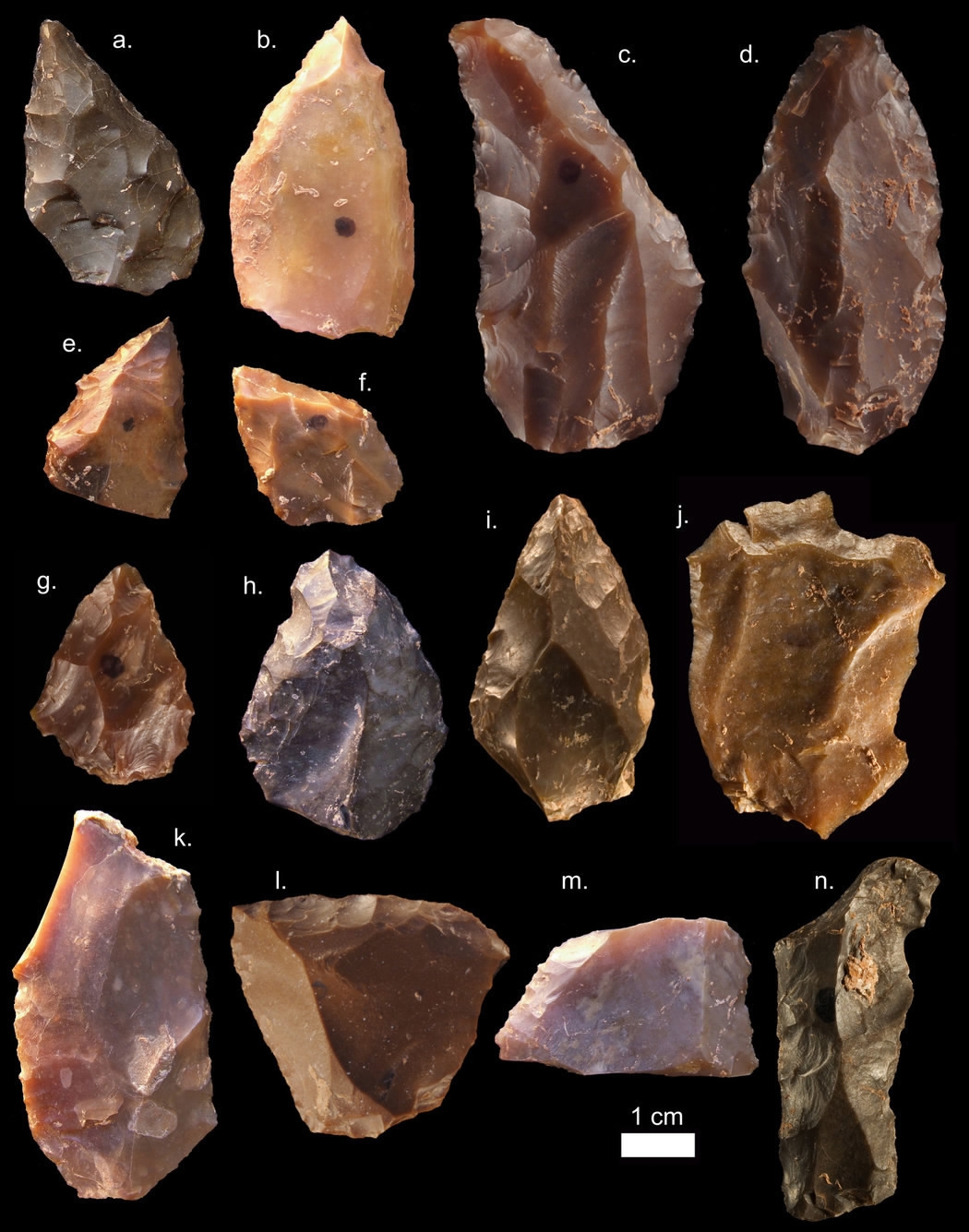
Some of the Middle Stone Age stone tools from Jebel Irhoud /Moroccan national Institute of Sciences of Archaeology and Heritage Photo
It's not clear just when Homo sapiens appeared. Hublin said he thinks an earlier stage of development preceded the one revealed by his team's discovery.
He and others described the new findings in two papers released on Wednesday by the journal Nature. They include a skull, a jaw and teeth, as well as stone tools.
Combined with other bones that were found there decades ago but not correctly dated, the fossil collection represents at least five people, including young adults, an adolescent and a child of around eight years old.
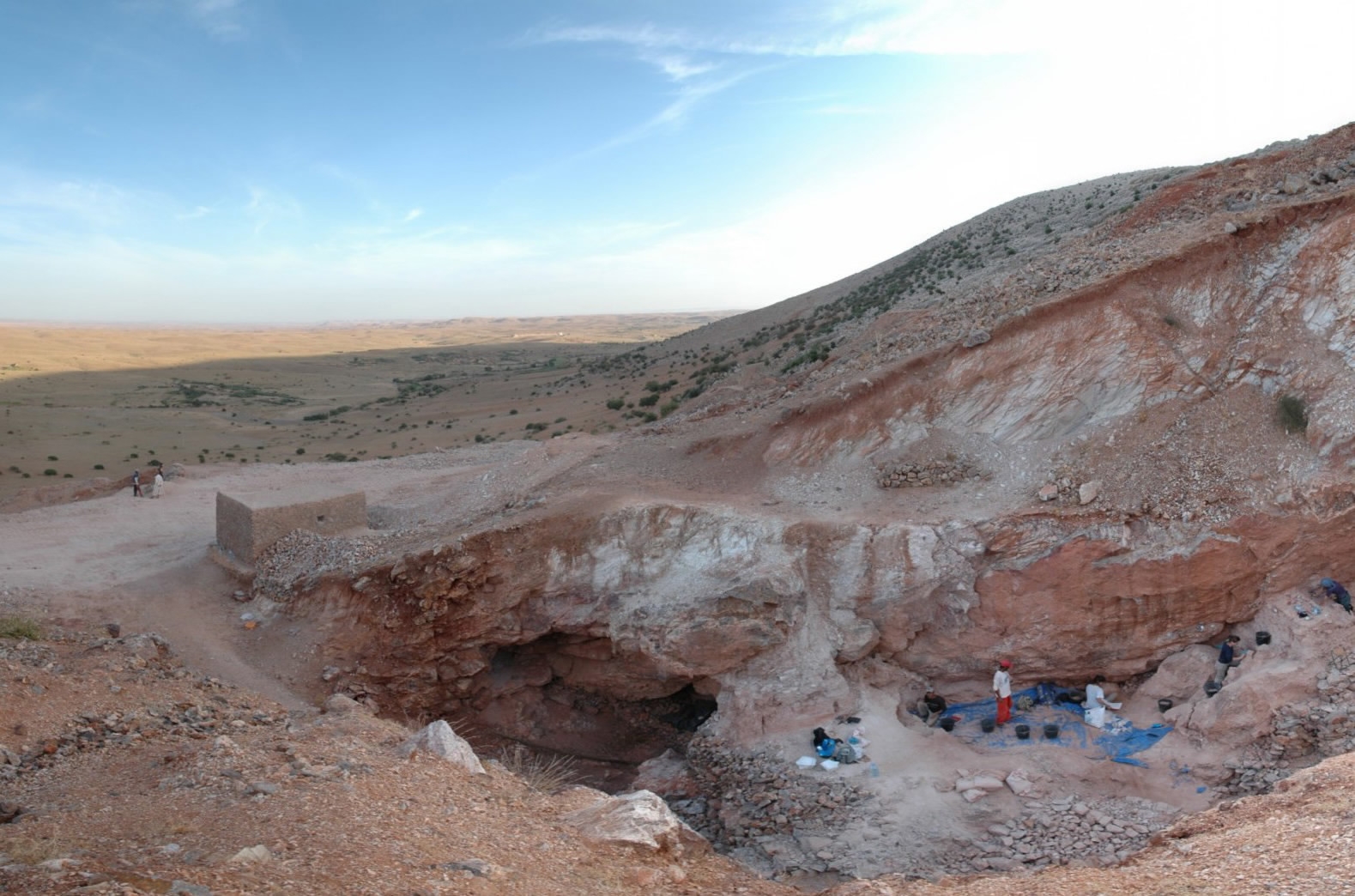
A view looking south of the Jebel Irhoud site in Morocco. /Moroccan national Institute of Sciences of Archaeology and Heritage Photo
In their day, the evidence shows, the site was a cave that might have served as a hunting camp, where people butchered and ate gazelles and other prey.
They used fire and their tools were made of flint from about 25 miles (40 kilometers) away.
The bones show a mix of modern and more primitive traits as well.
(Source: AP)
- EXPLORE
- MORE