CULTURE


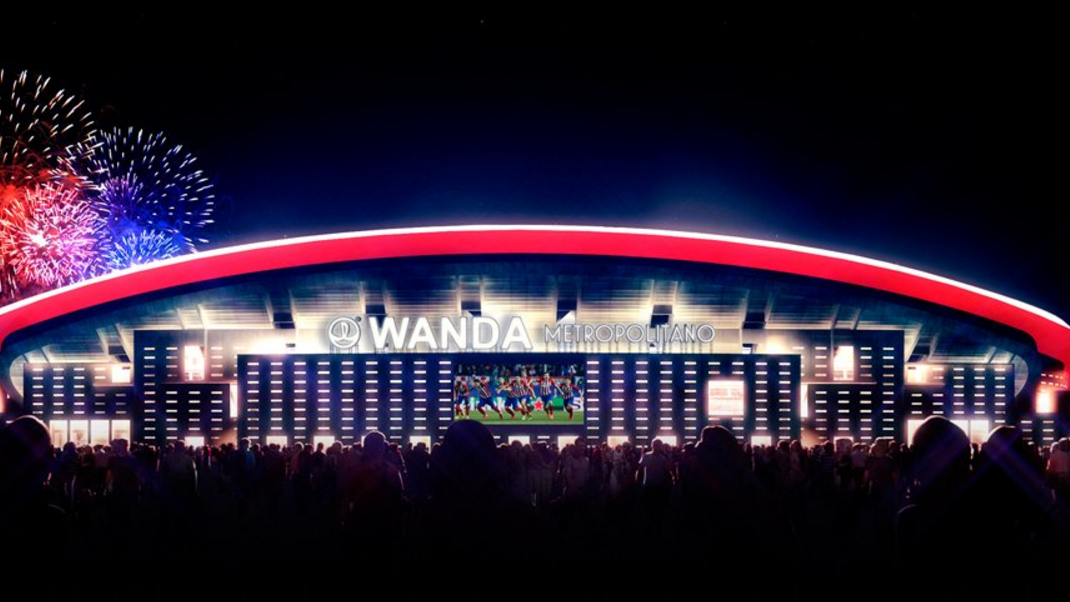
Atlético Madrid's stadium gets a new name: Wanda Metropolitano
2016-12-13 13:51 GMT+8






Editor
Sim Sim Wissgott
Anfield, Old Trafford, San Siro or the Bernabeu – the names of these stadiums evoke a wealth of memories and emotions from football fans worldwide.
But in recent years, corporate sponsors have started slapping their names on these hallowed grounds, from Bayern Munich’s Allianz Arena, named after an insurance company, to Arsenal’s airline-inspired Emirates Stadium.
The latest addition is from China's Dalian Wanda Group, which has renamed the Atlético Madrid's Vicente Calderón Stadium as Wanda Metropolitano.
Wang Jianlin, CEO of Wanda Group, said the agreement will "take us closer to being a global brand ... with a presence across the whole world."
In January 2015, Wanda had bought a 20 percent stake in Atlético Madrid, but the group hasn't disclosed any financial information on the stadium's naming rights.
The Emirates Stadium was the product of a 100-million-pound (126-million-US-dollar) sponsorship deal between the English side and Dubai-based Emirates airline signed in 2004, and then renewed in 2012. It ensures the name will be emblazoned across the front of the stadium until 2028.
English Premier League rivals Manchester City topped that with a 400-million-pound agreement with another Emirati airline, Abu Dhabi’s Etihad, in 2011.
In recent years, more amusing names have appeared in lower leagues, with York City playing for several years at the KitKat Crescent stadium, named after the chocolate bar.
But what difference does renaming a stadium actually make?
Predictably, certain changes have had long-time fans up in arms. In the northern English city of Newcastle, an attempt to rename St. James’s Park into the Sports Direct Arena in 2011 was met with petitions and protests and the effort was scrapped after a year.
Online forums and Twitter feeds are also full of comments by adamant fans refusing to use their stadium’s new name, like this Arsenal fan: “I started going to watch Arsenal at Highbury in 1949... I have always gone to Highbury and will always go to Highbury.”
But with top players commanding astronomical wages and old grounds requiring renovation, many have accepted this is just business and a new name is a small price to pay in exchange for desperately needed funds.
“The dominant feeling among City fans when Bootham Crescent became KitKat Crescent was faint embarrassment," the chairman of a fan group in York, Frank Ormiston, told Vice at the time. “[But] most accepted the deal as a painful necessity; the club badly needed the money.”
US fans have also long attended sports events at venues like the Staples Center in Los Angeles, named after an office supply chain, FC Dallas’s former Pizza Hut Park - now Toyota Stadium - or Heinz Field, home to the NFL’s Pittsburgh Steelers and named for a brand of ketchup.
In the end, a name is just a name: a 2013 study by Brandwatch found Barclays, the bank sponsoring the English Premier League, was only mentioned one in four times when talking about the tournament, despite having official title rights.
And corporate sponsors can only do so much: die-hard fans will still head down to Stamford Bridge, St. James’ Park or the Stadio Olimpico on a Saturday, no matter what new name adorns their stadium.
Copyright © 2017
SHARE
- EXPLORE
- MORE
FOLLOW US