SOCIAL


June's SAT tests canceled
2017-02-24 22:20:17 GMT+8






Editor
Zhao Hong
By CGTN's Wu Haojun
The body that runs the US's SAT college-entrance exam announced on Thursday the cancellation of this June's international test sitting. The exam is not administered on the Chinese mainland, but every year, tens of thousands mainland high schoolers travel to the Hong Kong or Macao Special Administrative Regions to sit for the exam.
The cancelation of June's international test sitting is actually just one of a slew of measures that the College Board, the owner of the SAT exam, hope will help with tightening exam security.
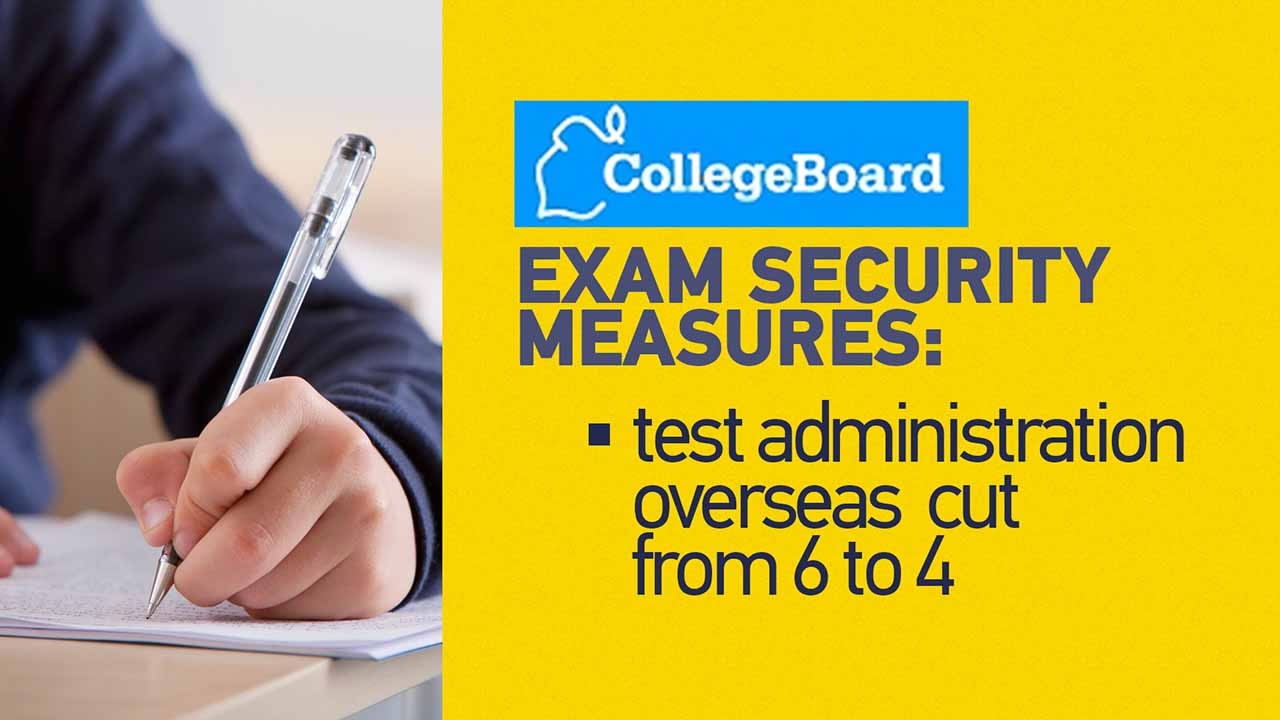
The organization said that, starting this fall, it will cut the number of test administrations overseas from six a year to four. It will also roll out new security measures, including providing law enforcement and other government agencies with the names of test prep companies and individuals suspected of stealing test materials.
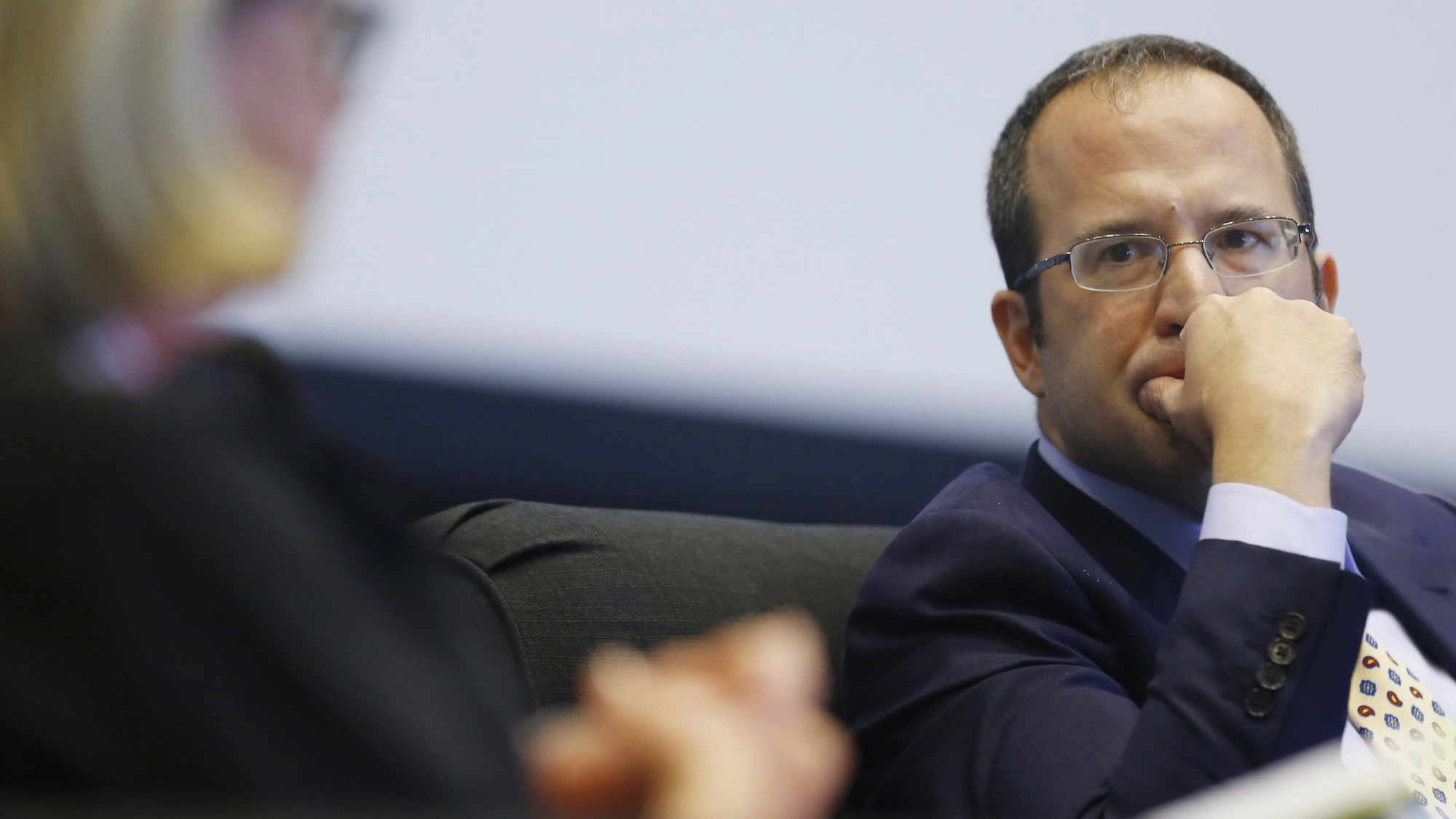
David Coleman, President and CEO of The College Board, speaks at the National Association for College Admission Counseling conference in Columbus, Ohio, US, September 22, 2016. /CFP Photo
According to an industry white paper on overseas exams in China, 170,000 Chinese students took the SATs in 2015. If similar numbers apply this year, it would mean June's cancellation would affect roughly 28,000 Chinese students.
Many students went online to voice their opinions and frustrations. One netizen associated the move with recent developments in US politics, saying it's a "closed door policy." But some others are also very understanding. One commented that since "cross-time zone leaking has become an industry," it seemed the College Board would have to take drastic actions at some point.
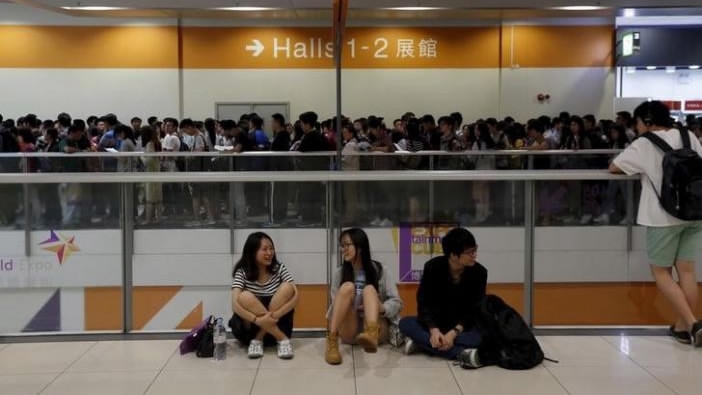
Students chat as others line up to take part in SAT examinations at Asia-World Expo near Hong Kong Airport in Hong Kong, China, October 3, 2015. /Reuters Photo
In 2015, federal prosecutors in the US charged 15 Chinese students of conspiring to have impostors take the SATs and other college entrance tests in the US state of Pennsylvania as far back as 2011.
But in the grand scheme of things, what's far more common is what's known as "cross-time zone" cheating. It's been reported that some test-preparation companies would gather questions and reading passages from past SAT exams held in the US, which is prohibited by the College Board, and then give clients that material to practice with.
The questions later showed up on SAT exams administered overseas, giving an unfair advantage to students who have already seen them. Basically questions that were on the US SATs in October 2016 just might show up on the SAT in June 2017 in Hong Kong. That's precisely why critics say the new policy won't be enough to stop cheaters as long as test recycling exists. So will the measures be effective? They may work to a certain extent, but it's certainly not a fool-proof plan.
Copyright © 2017
SHARE
- EXPLORE
- MORE
FOLLOW US