China’s Kazakhs observe Ramadan on highland pastures






By CGTN's Meng Qingsheng, Luo Caiwen
With Ramadan having begun on May 27, Muslims in northwest China's Xinjiang Uygur Autonomous Region are continuing to celebrate their holy month. Among the many ethnic groups in China observing the festival are the Kazakh people, who have a total population of around 1.6 million, and are best known for their nomadic lifestyle.
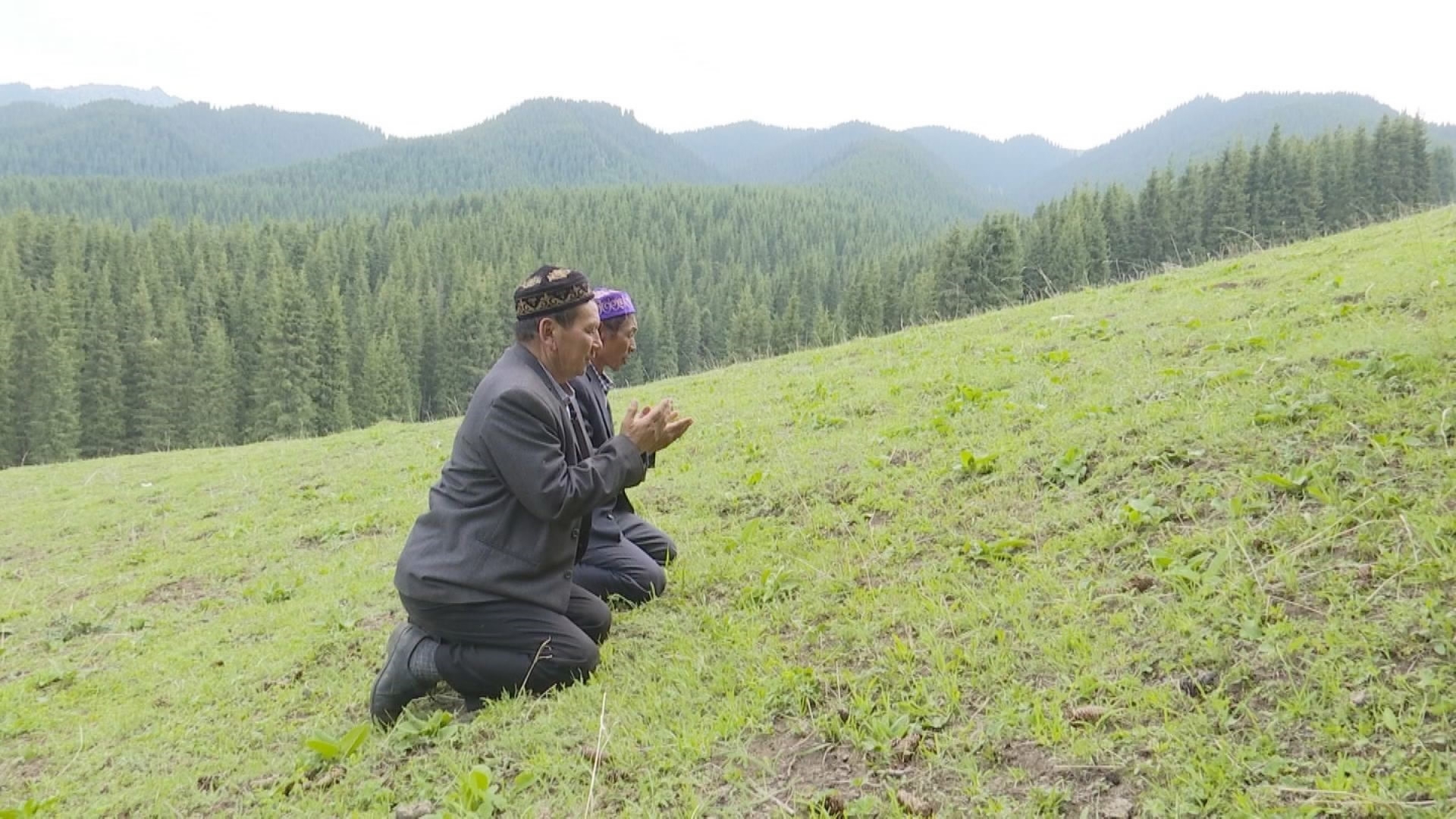
Haleken Manai and another ethnic Kazakh pray together on the highland pasture. /CGTN Photo
Haleken Manai, an ethnic Kazakh, was born in 1963. Like most of his fellowmen, he makes a living through animal husbandry. Now, his family has more than 100 sheep, three cows, and two horses. He strictly adheres to the religion of Islam. Haleken says fasting during Ramadan benefits health, adding that while it is challenging, followers of Islam need to experience hunger after enjoying being full.
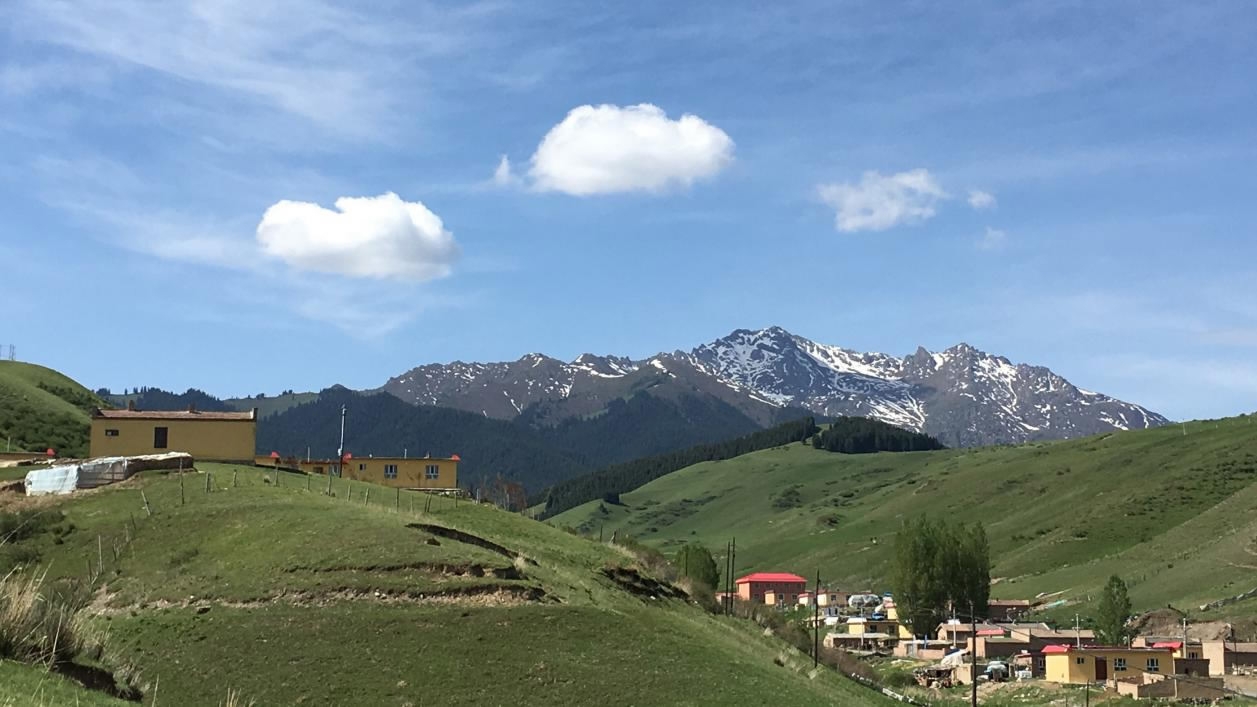
A typical landscape where Kazakhs live in Xinjiang, with snow-capped mountains and highland pastures. /CGTN Photo
The Kazakh people are among the several ethnic minorities in Xinjiang who observe Ramadan. Many of them make a living by shepherding on these highland pastures, though hard labor does not exempt them from performing basic rituals like prayers and fasting. While they are praying they face the direction of Mecca, Islam's holiest city.
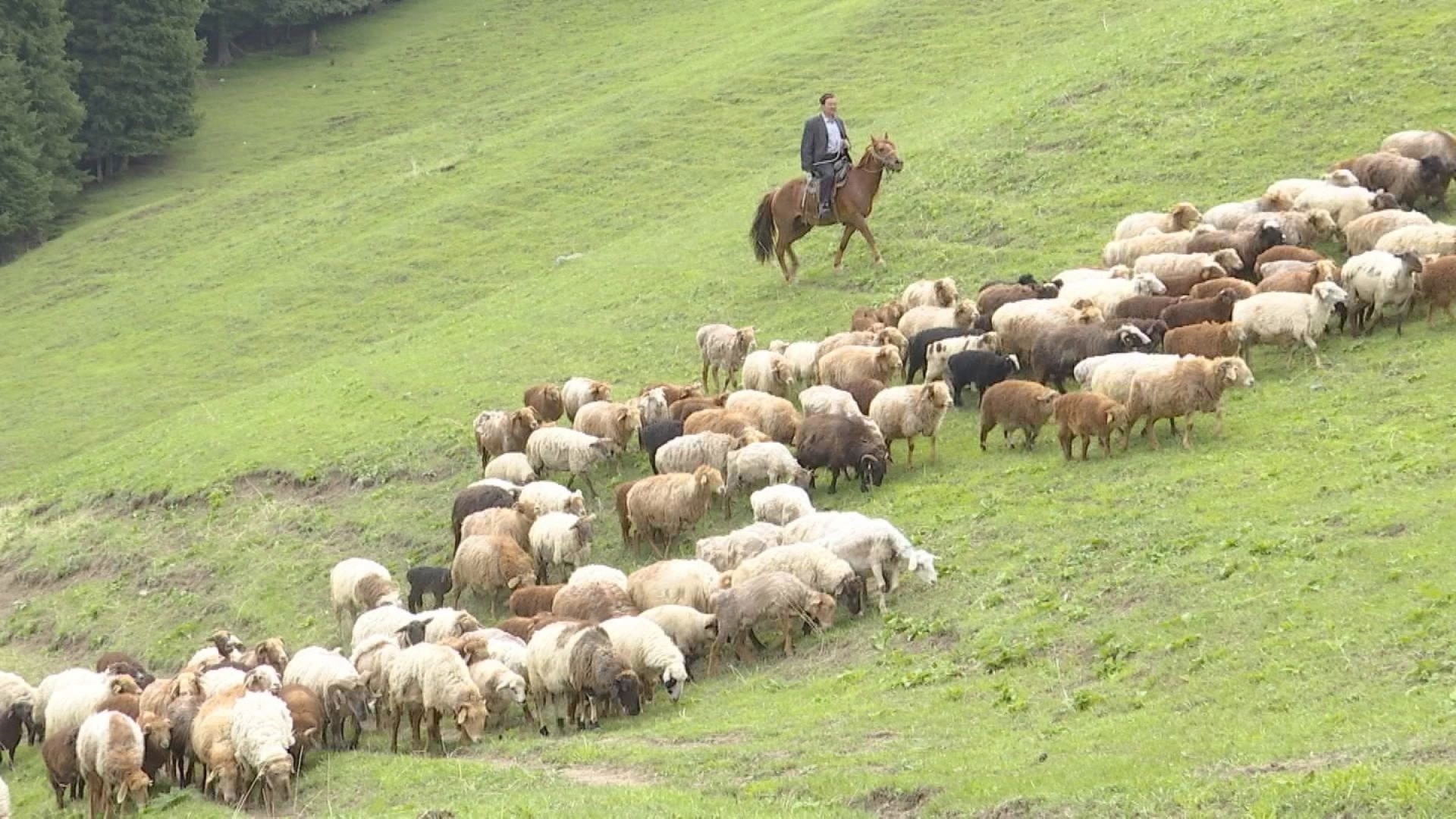
Most of China’s Kazakhs make a living by shepherding on highland pastures, the main source of their income. /CGTN Photo
Ramadan is also an opportunity for the young to review the scriptures of the Muslim holy book, the Quran. Haleken’s son, Yeshat Haleken, is now 26 years old, and began studying the Quran eight years ago.
"The Quran is touching to me, as it teaches me to be an honest and good person, " says Yeshat. "We are not allowed to drink alcohol or smoke, among several other things.”
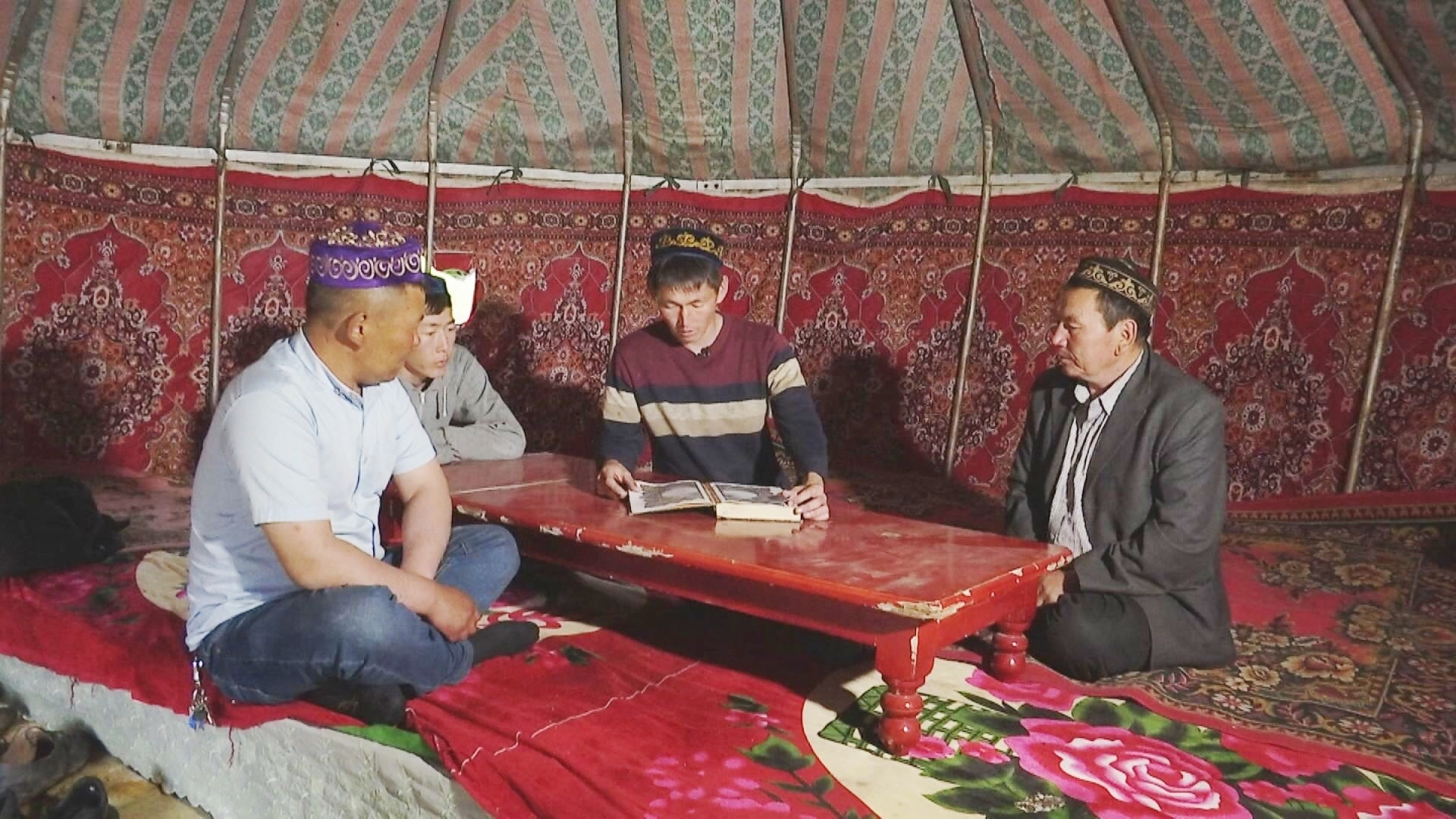
Haleken’s son, Yeshat Haleken, shares Quran with family and friends in the traditional Kazakh yurt. /CGTN Photo
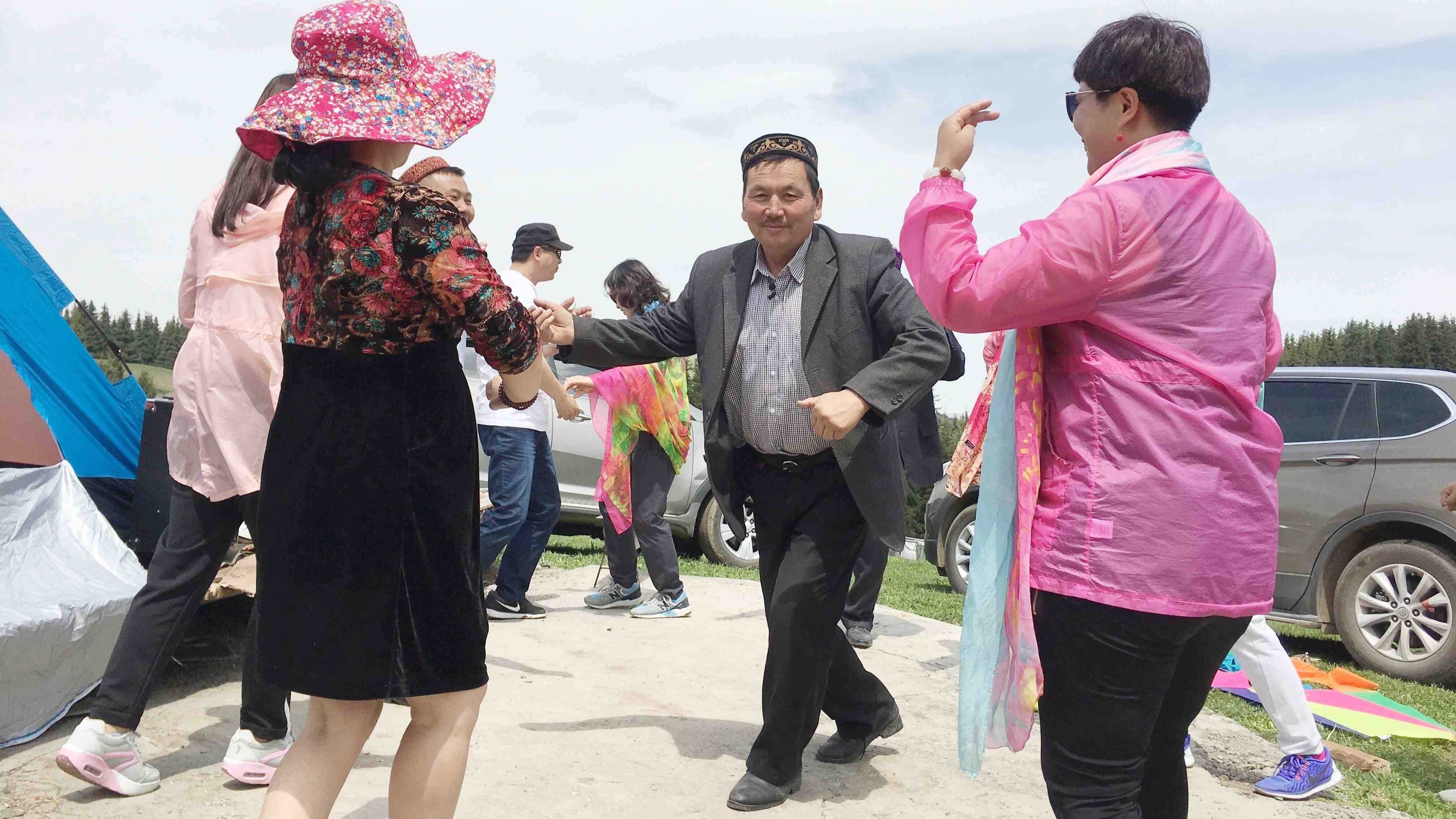
After living a nomadic life for around four months. Haleken turns one of his pastures into a campsite, attracting visitors.
In Haleken's opinion, Kazakh people are very hospitable. Islam decrees that its adherents should offer something special to their guests, and treat them well. He adds that Ramadan is not all about abstinence, and that sometimes it’s a celebration of sharing a happy moment with each other.

Kazakhs make special food for their guests, such as this dish of fried wheat pies, served with home-made butter, and milk tea. /CGTN Photo
- EXPLORE
- MORE