
China
15:48, 18-Feb-2017
Can architecture revive China's abandoned villages?
Updated
10:48, 28-Jun-2018
 []
[]
Share







Copied
By CGTN’s Yang Zhao
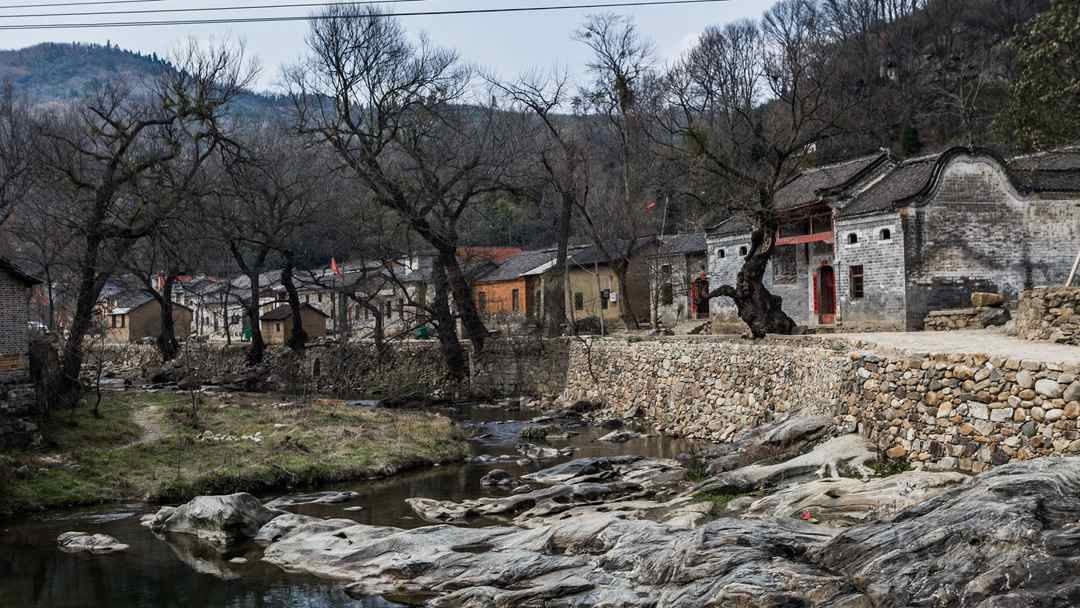
Rapid urbanization in China has led to millions of rural dwellings being abandoned. Since the turn of the century, the number of villages in China has dropped by 1.1 million.
But, as these traditional villages fight for their very existence, some Chinese architects see them as a creative paradise. So can they use their influence to somehow revive these endangered communities?
With the Chinese Lunar New Year holiday ending this month, millions of rural migrant workers across China will once again leave their families and return to their jobs in the cities. But while many rural towns and villages see an influx of returnees during the holiday, some regions are forever empty. Rapid urbanization in China has led to millions of rural dwellings being abandoned, leading to the geographic phenomenon known as "Rural Hollowing." Since 2000, the number of villages in China has dropped from 3.7 million to 2.6 million. An average of 188 villages has gone off the map per day over the past 16 years.
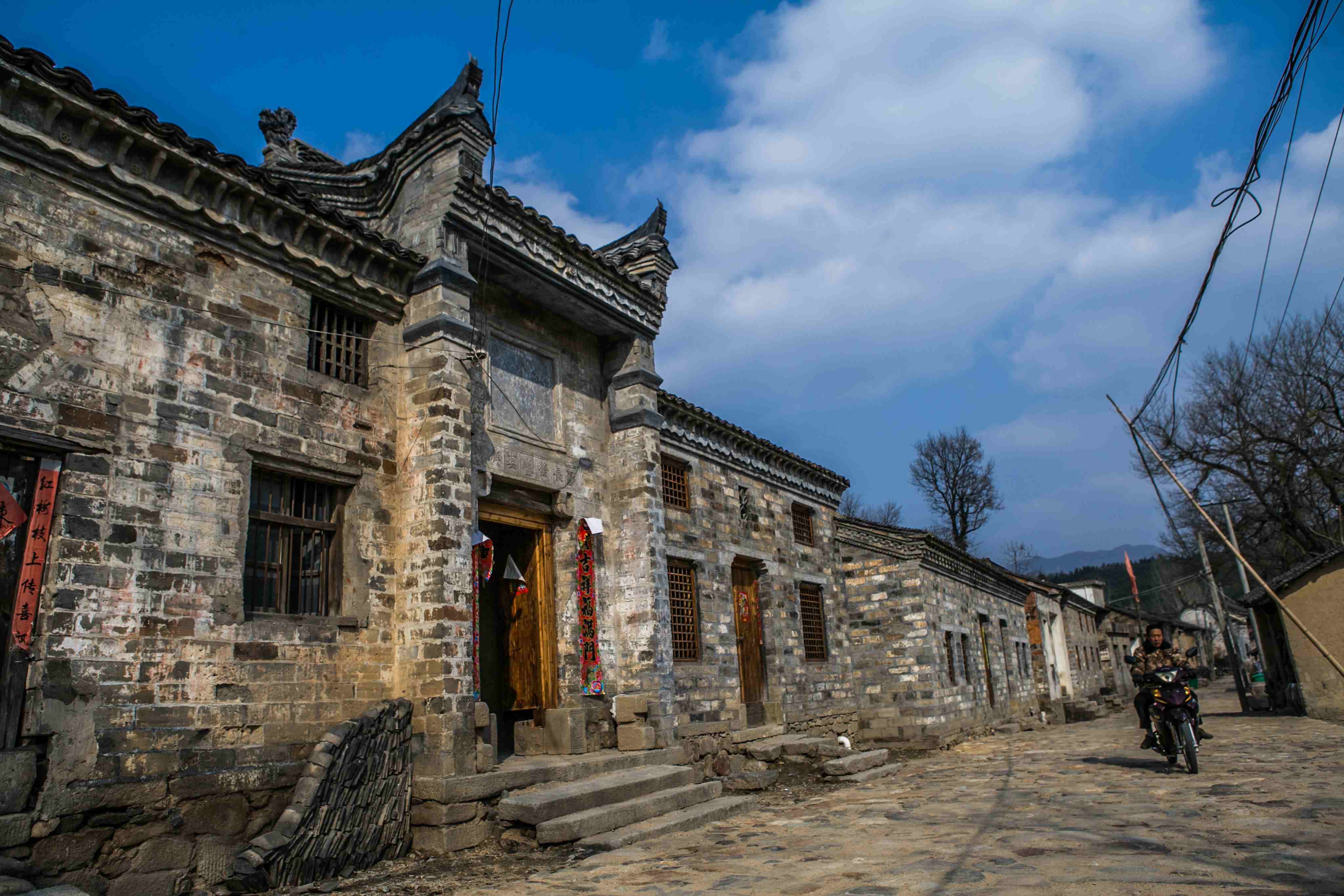
Ancestral Hall (Ci Tang) in Chinese rural villages. /CGTN Photo
Ancestral Hall (Ci Tang) in Chinese rural villages. /CGTN Photo
So how can China preserve its rural villages? I have witnessed some notable grassroots efforts. Traveling with architects, I have visited some abandoned villages where they are trying to implement design interventions and renovations aimed at reviving dying villages and turning them into tourist destinations. Click on the video above to see the story of Xihe Village. Check out how Beijing architects He Wei and Luo Deyin bring new life to threatened rural communities.
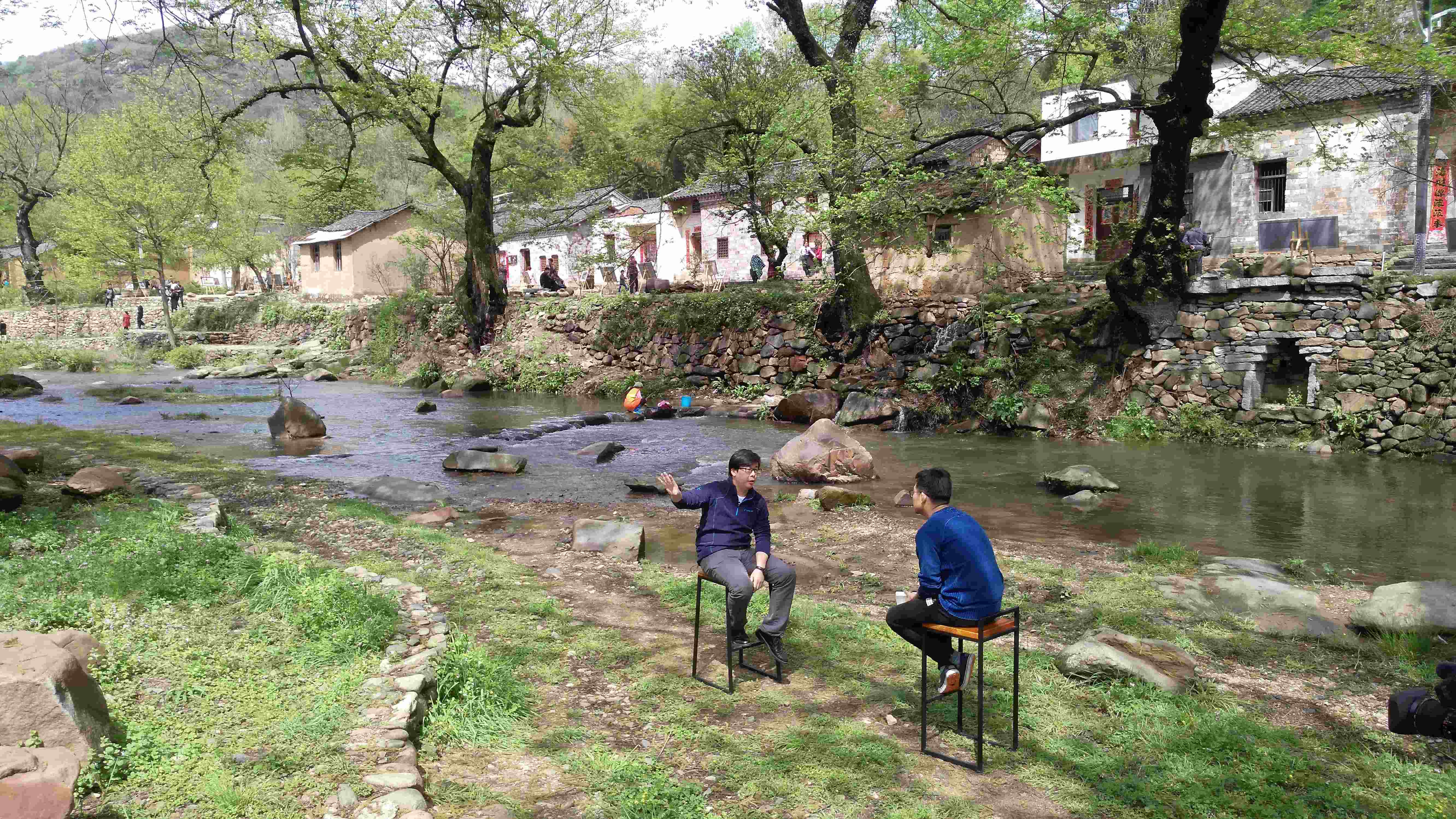
Interview with architect He Wei in Xihe Village. /CGTN Photo
Interview with architect He Wei in Xihe Village. /CGTN Photo
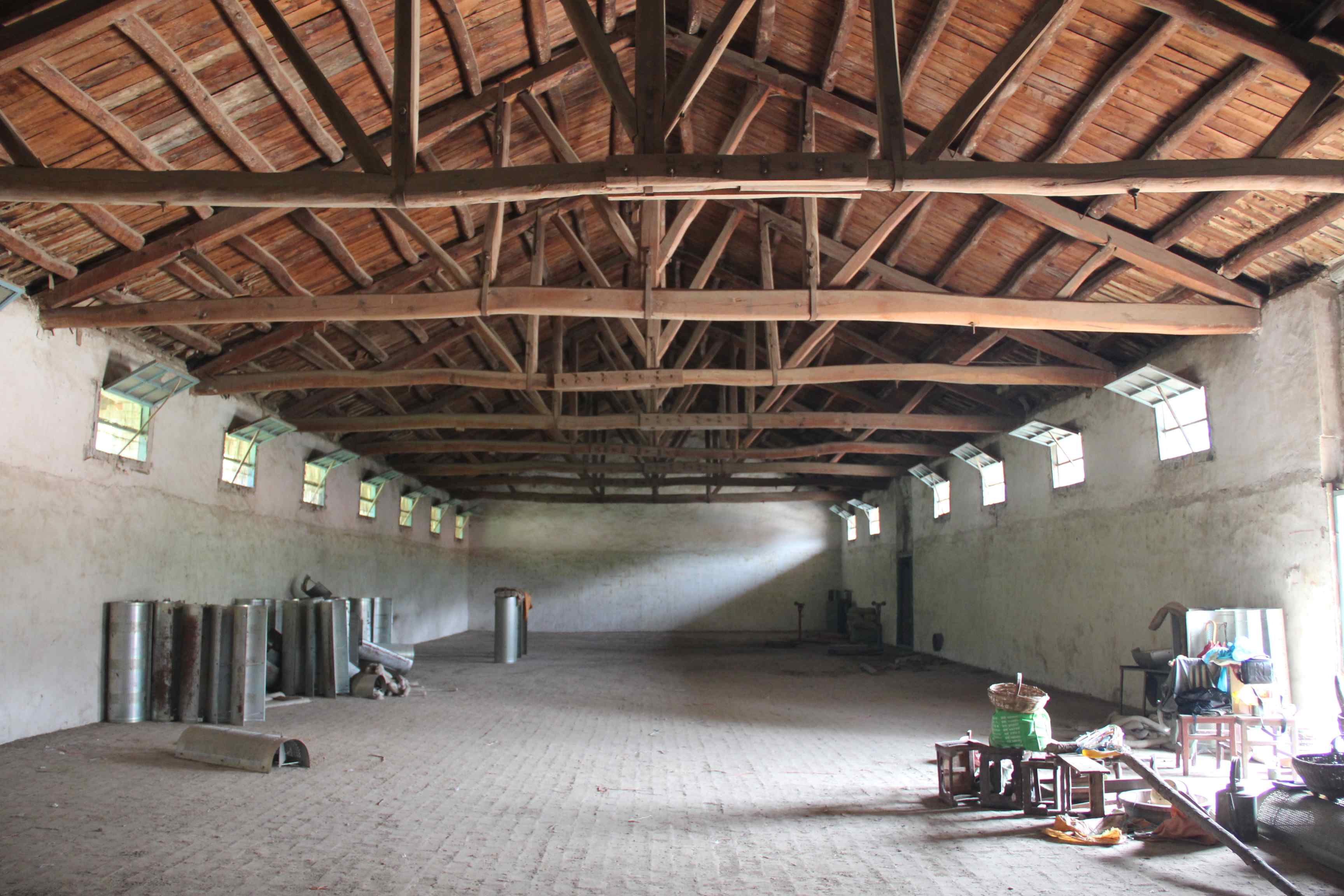
1950s barn in Xihe village before renovation. /CGTN Photo
1950s barn in Xihe village before renovation. /CGTN Photo
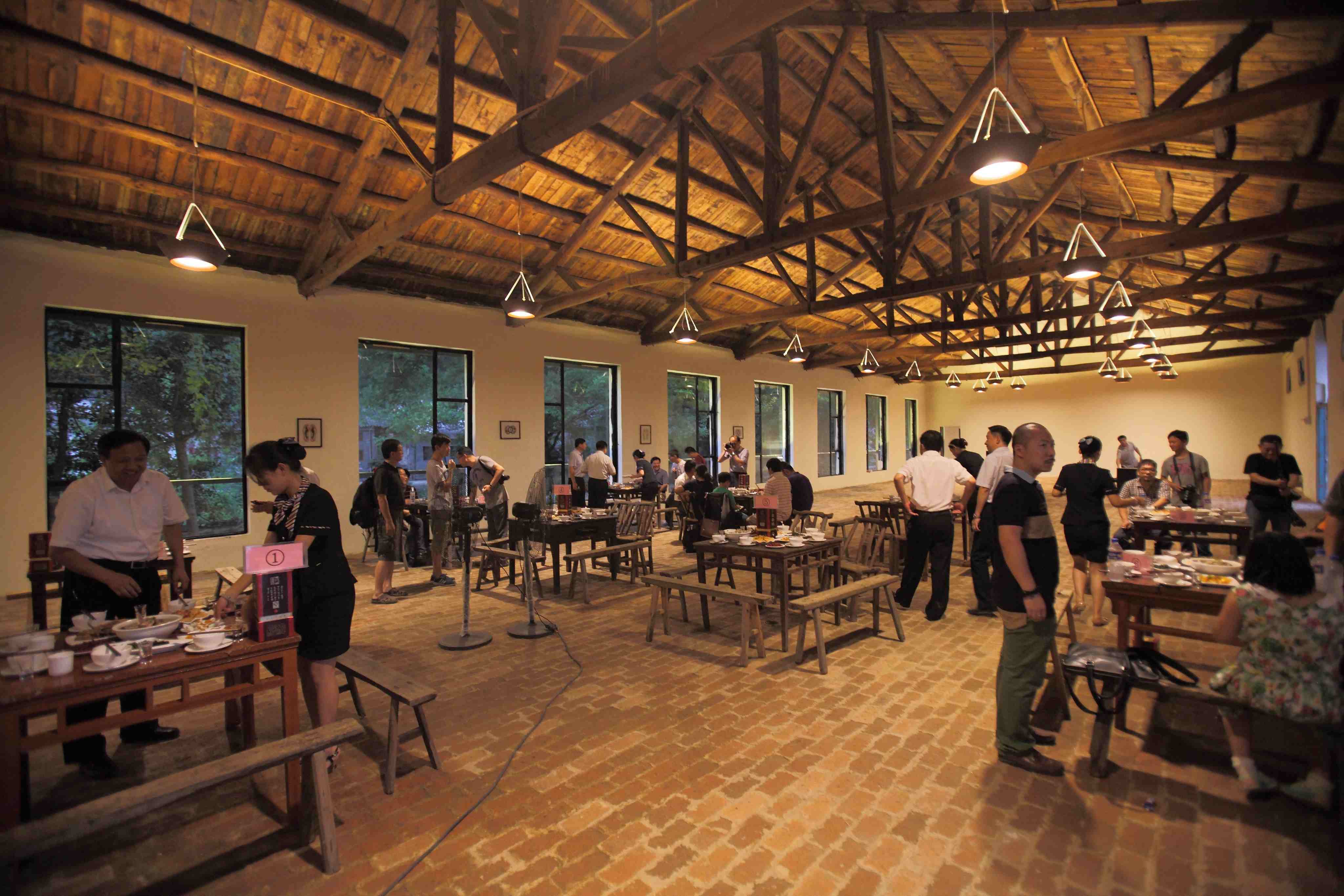
New Villagers activity center. /CGTN Photo
New Villagers activity center. /CGTN Photo
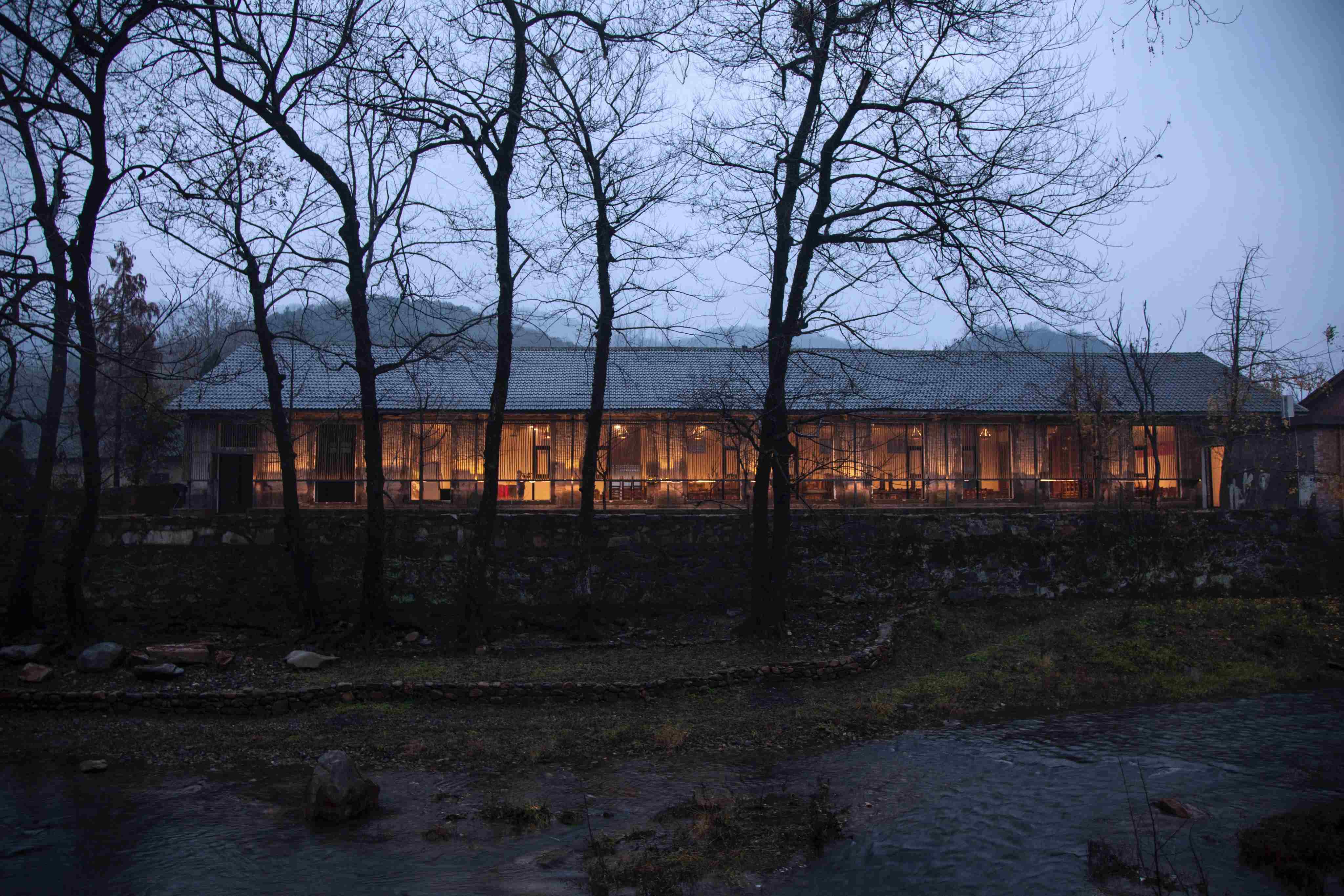
New Villagers activity center from outside. /CGTN Photo
New Villagers activity center from outside. /CGTN Photo
Despite the success of the Xihe project, don’t forget what’s happening on a grander scale. The Chinese government has laid out an ambitious plan to move some 100 million farmers to cities and towns. By 2020, it is estimated that 60 percent of the country's total population will be living in urban areas.
However, it is getting increasingly difficult to ignore calls to protect village and rural life. Chinese President Xi Jinping has spoken about soil culture on many occasions. The directive from China's top leader makes the preservation of villages a national strategy that runs parallel with the country's urbanization plan. But can these two seemingly opposing polices co-exist? Is China going to relocate its farmers or leave them where they are? The answer is this: China is doing both. In addition to the urbanization plan, the Ministry of Housing and Urban-Rural Development has made a list of historic villages, dependent on the age of the structures and the intangible cultural heritage that exists within. Now, the list has more than 4,000 villages, and it's expanding swiftly...
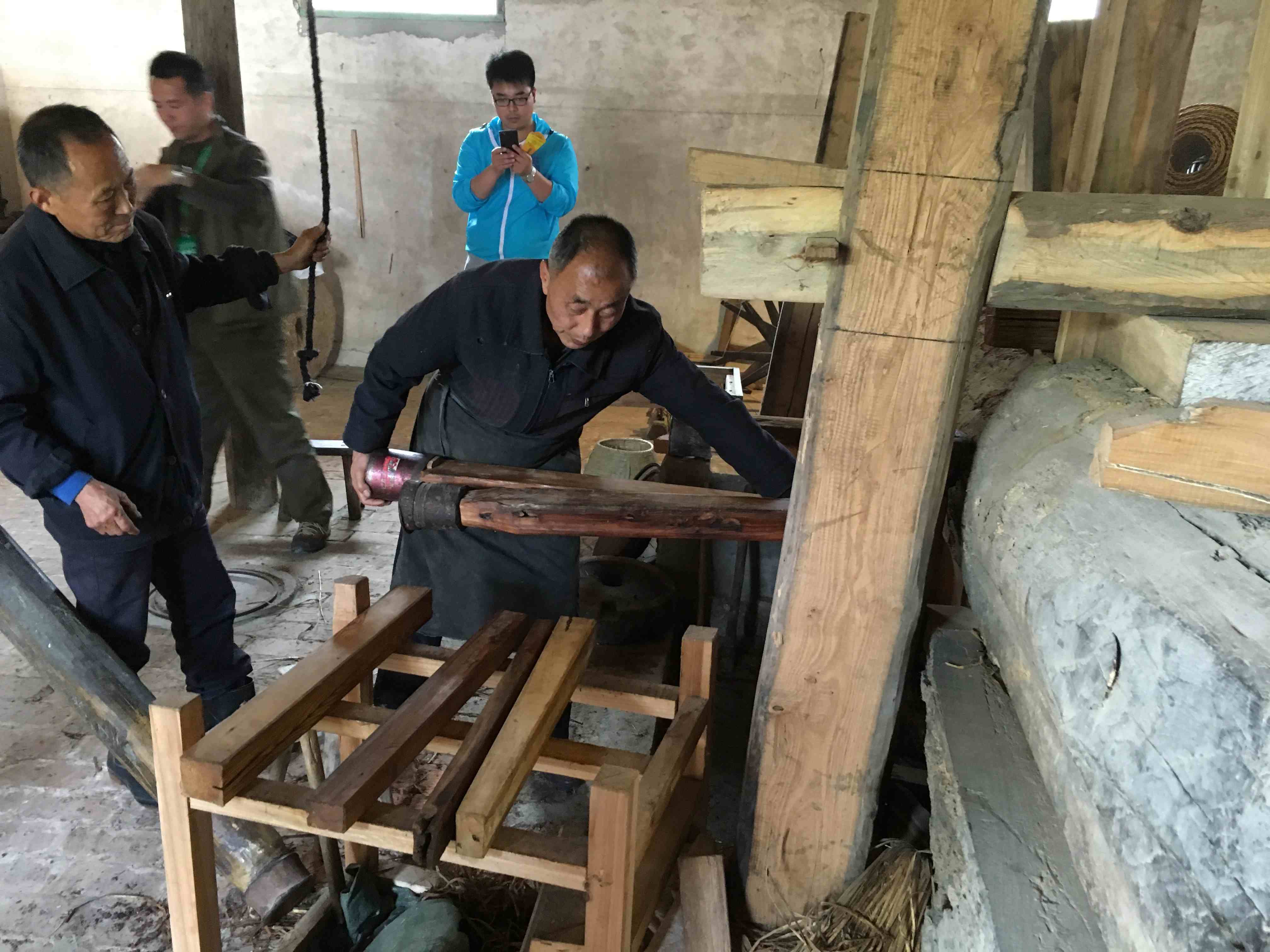
Traditional oil expression in old village. /CGTN Photo
Traditional oil expression in old village. /CGTN Photo
So go back to our question at the outset, how can China preserve its rural villages? Can architects revive China's countryside? Can tourism help breathe new life into rural areas? Will the government-sponsored list of traditional villages have any effect? They all help. But the real answer is to address the economic imbalance between rural and urban areas. This is the 14th year in a row that China's No.1 central document has been devoted to agriculture. This year it prioritizes increasing the income and welfare of farmers.
Only when this imbalance disappears will farmers opt to stay in the countryside. And only when they stay can the villages survive and thrive...