SOCIAL


Migrant workers in SW China seek a life back home
2017-02-13 21:08 GMT+8
1438km to Beijing






Editor
Zhang Ruijun
By CGTN's Meng Qingsheng
China has nearly three hundred million migrant workers, making up more than 20 percent of the country's total population. The majority of them come from the less developed middle and western regions, and work in the coastal provinces. But as the economy improves in China's hinterland, many are choosing to make a living back home.
Wang Ping'an was born in 1980 at a village in Suining City of southwest China's Sichuan Province. To escape poverty, he decided to leave his family at the age of 18, and try his fortune in Shenzhen, a major financial center in southern China. This came after he tried to make a living in his hometown, but failed to find a job due to the weak local economy.
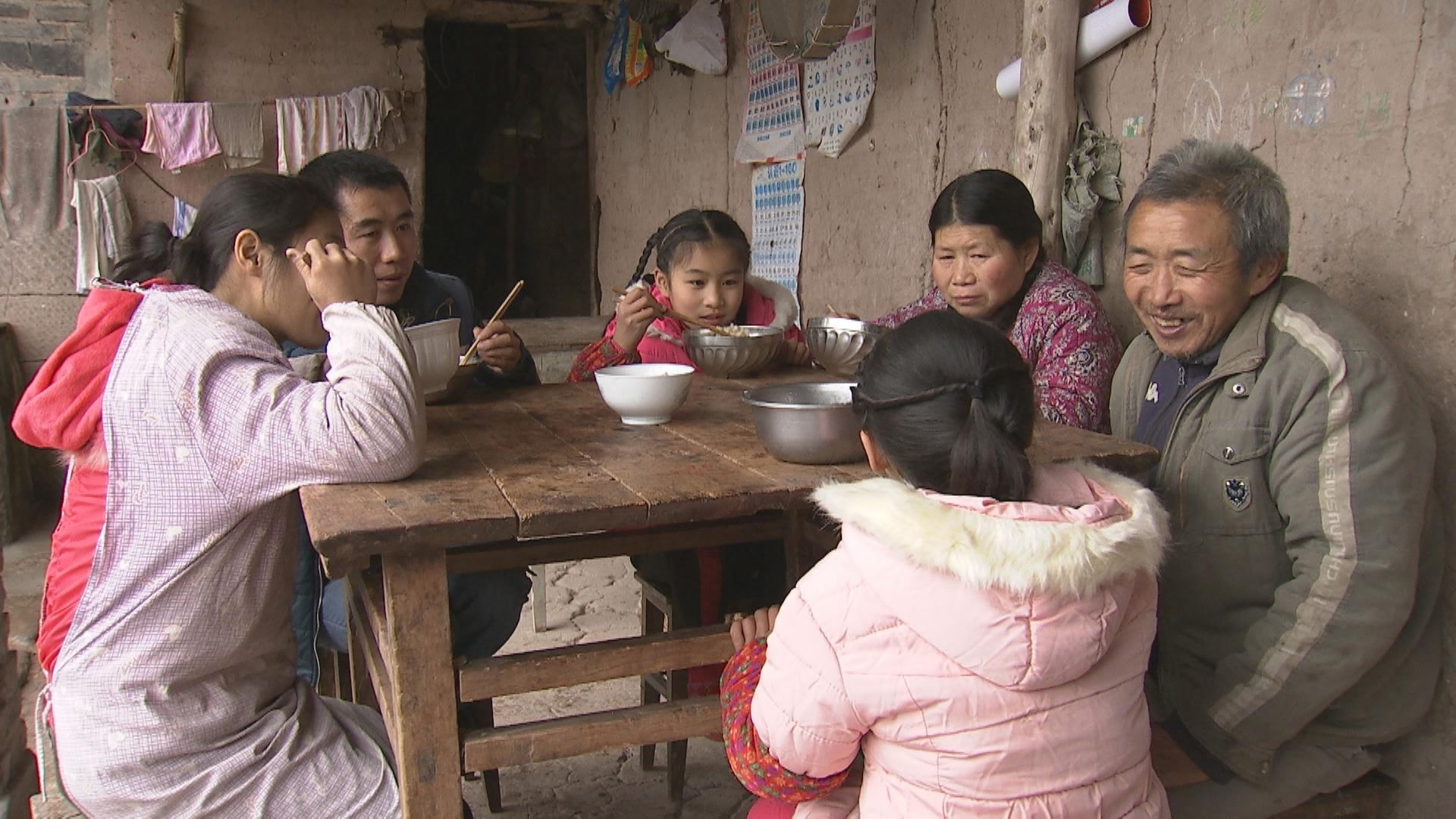
Wang Ping’an and his wife go back home for the Spring Festival. /CGTN Photo
The couple worked in Shenzhen for nearly 20 years, but harbor regrets over leaving family behind.
In Shenzhen, Wang met his wife, a migrant worker from southern China’s Guangxi Zhuang Autonomous Region. She gave birth to two daughters. The couple sent the girls back to Wang’s hometown in Suining, where his parents took custody of the two children. Such youngsters are widely known in China as "left-behind children."
The couple only came back to Suining every three to five years, so as to save time and earn more money. This year, they came back home to celebrate the traditional Spring Festival.

Wang Ping’an sorts out some possible job prospects at local job market. /CGTN Photo
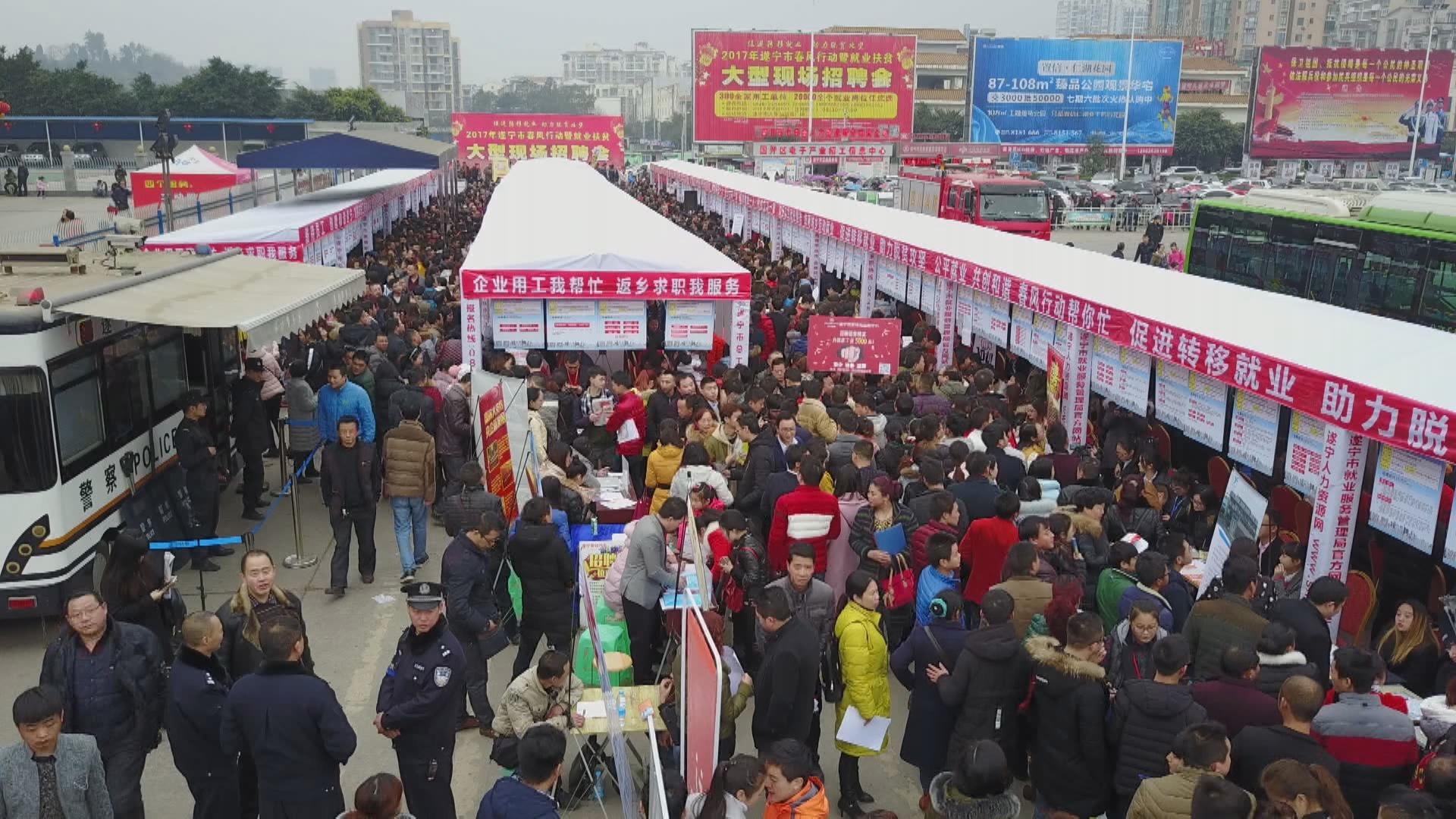
The local government in Suining organized a job market at the railway station, from where the couple was about to start the return journey to Shenzhen. Wang Ping'an carefully sorted out some possible job prospects. When he was offered a job, he decided to stay. Many local companies are expanding their businesses, as a result of the low cost of labor and favorable policies by local governments.
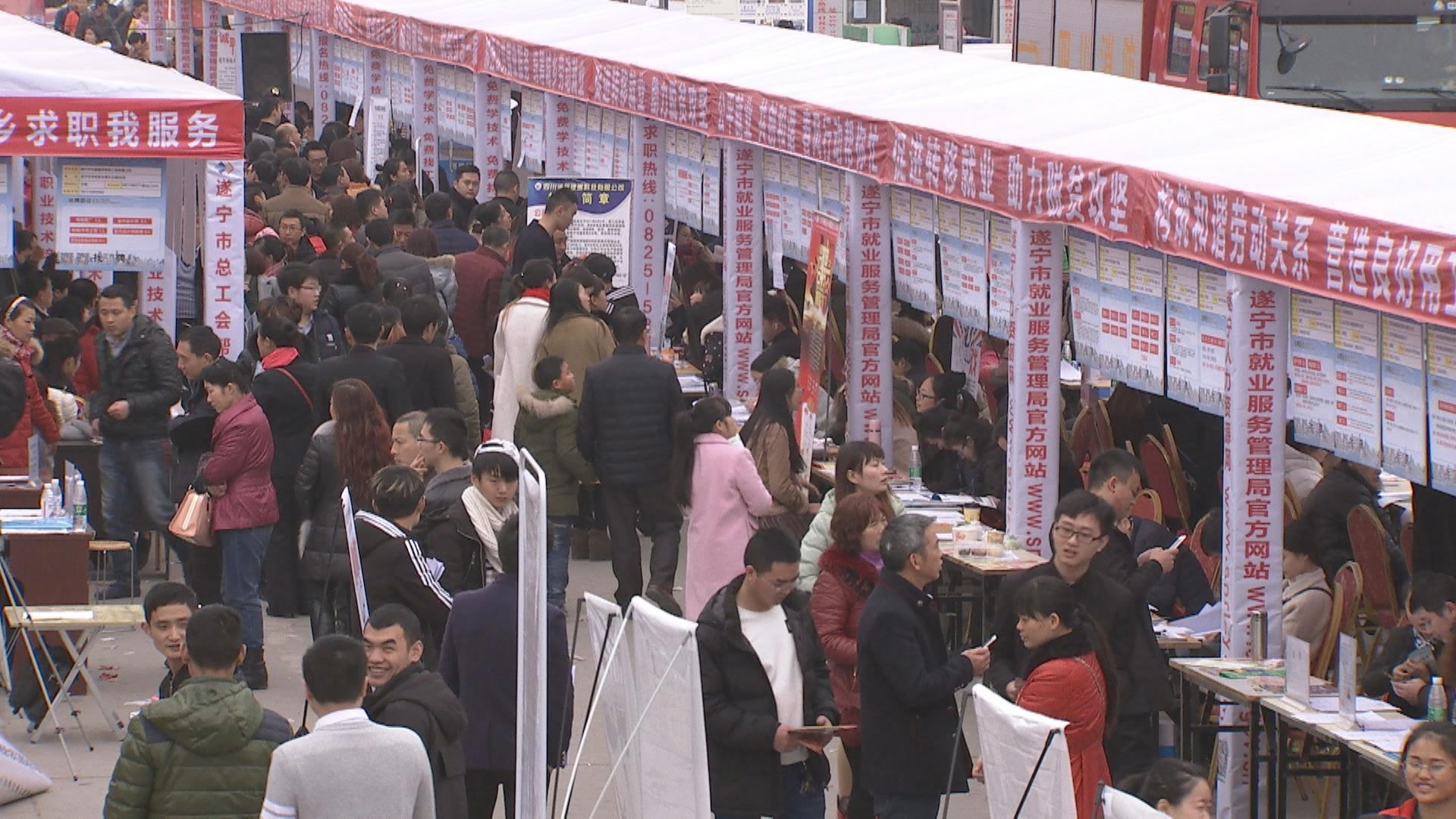
Migrant workers seek working positions at local job market. /CGTN Photo
Seventy percent of the people in Suining City live in rural areas. Half of them used to work as migrant workers in more developed regions. But now, the trend is reversed. Zhao Ting, director of Suining’s Employment Agency, says the number of companies is increasing. And they provide much better salaries and treatment than before, which lures back those working outside. People can take care of family members and enjoy local conveniences.
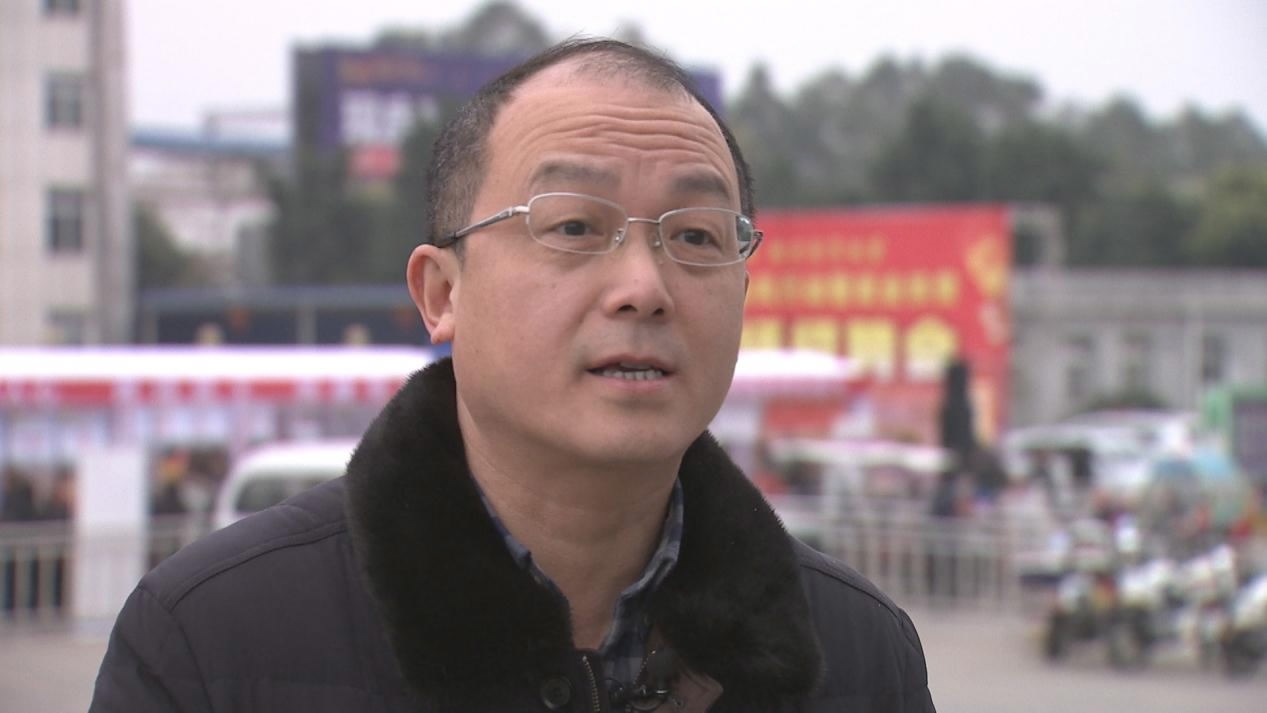
Zhao Ting, director of Suining’s Employment Agency, explains the local job situation. /CGTN Photo
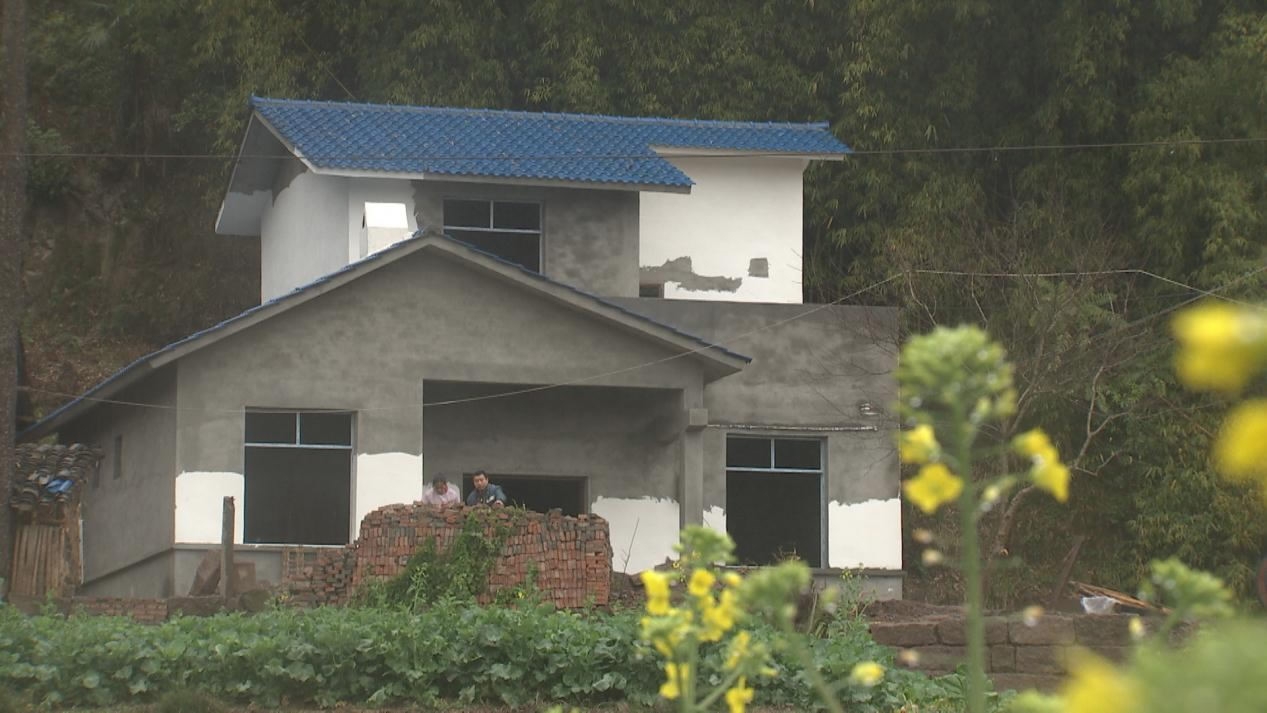
Wang Ping’an and his wife pile up bricks in front of their new house. /CGTN Photo
For decades, workers from the rural parts of China have prioritized job opportunities in the country's more developed eastern provinces. For many, it was an opportunity to increase income and improve professional skills. Now, however, with economic conditions improving in China's hinterland, many of them are opting to stay put, immersing themselves in the local economy and society.
1438km
Copyright © 2017
SHARE
- EXPLORE
- MORE
FOLLOW US