TECH & SCI


Apple Pay turns 1 year in China, but very few are celebrating
2017-02-19 18:36:23 GMT+8






Editor
Gong Zhe
- "Can I pay through Apple Pay?"
- "Sorry, what pay?"
The very short conversation took place between a KFC staff and a journalist from the Chinese economic newspaper National Business Daily (NBD). And while there is no way to ascertain that the journalist did eventually enjoy “finger-lickin’” chicken drumsticks, it sure seems like not all cashiers at KFC know what payment methods the fast-food chain supports – but it’s not totally their fault.
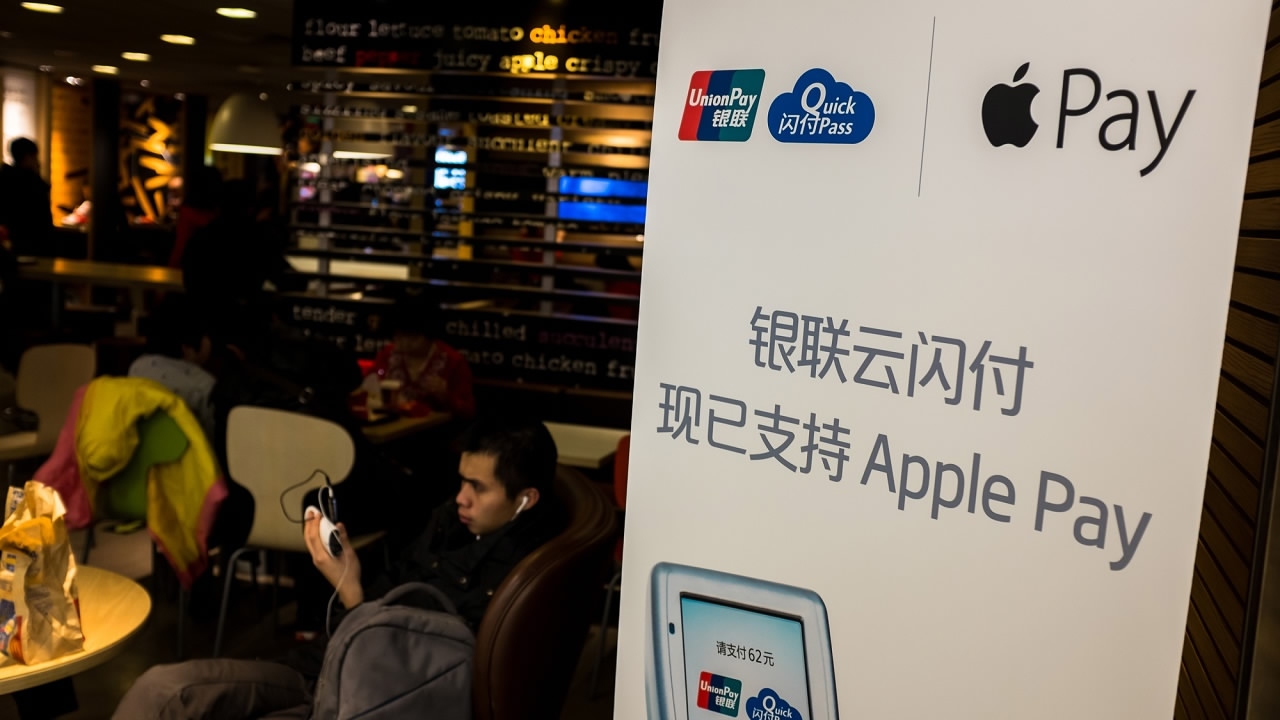
Saturday marked the one-year anniversary of Apple Pay's launch in China, however the mobile payment and digital wallet service remains unpopular in the world's second largest economy.
The newspaper inquired on its website: "How come Apple wasted such a good chance?" – and the question is definitely in place.
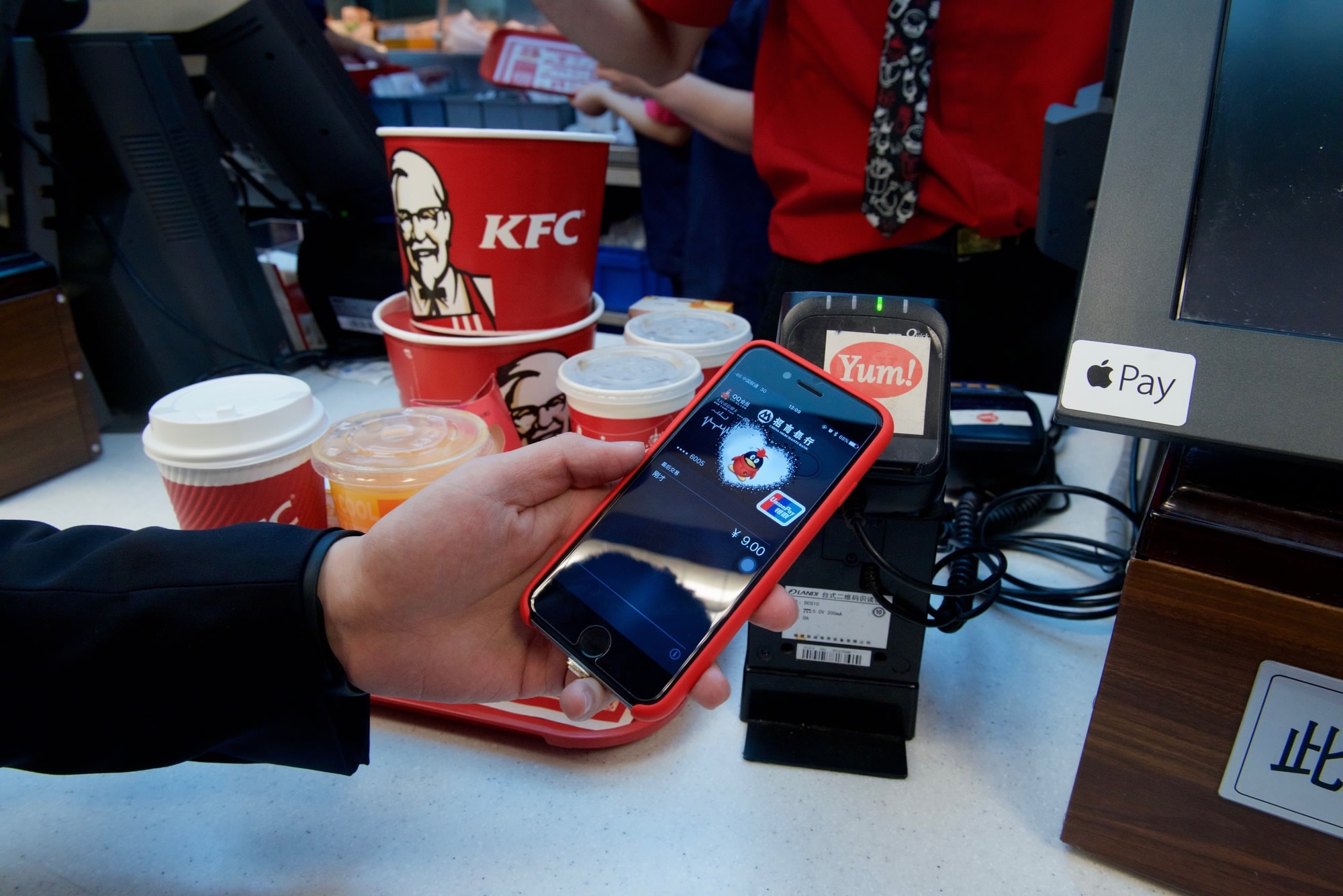
A KFC restaurant in Beijing starts accepting Apple Pay on February 18, 2016. /CFP Photo
Apple Pay, which debuted in 2014, has surpassed PayPal to lead the US mobile payment market, according to data released by Boston Retail Partners, a business management consultant in the US, on Thursday.
According to the report, 36 percent of retailers around the country support Apple's function, while those that allow PayPal, MasterCard Paypass and Android Pay account for 34, 25 and 24 percent, respectively.
But the world’s most valuable company found fewer cheers in China, where competition from powerful local competitors, such as Alibaba and Tencent, is cutthroat.
Alipay, once called a PayPal copycat, now dominates China's mobile transaction market, with Tencent's WeChat Pay at its heels. This unparalleled fame comes despite their methods, which is based on QR code scanning, is less appealing than Apple Pay’s “NFC + fingerprint,” according to which iPhone owners put their devices close to POS machines to pay and use their fingerprints as passwords.
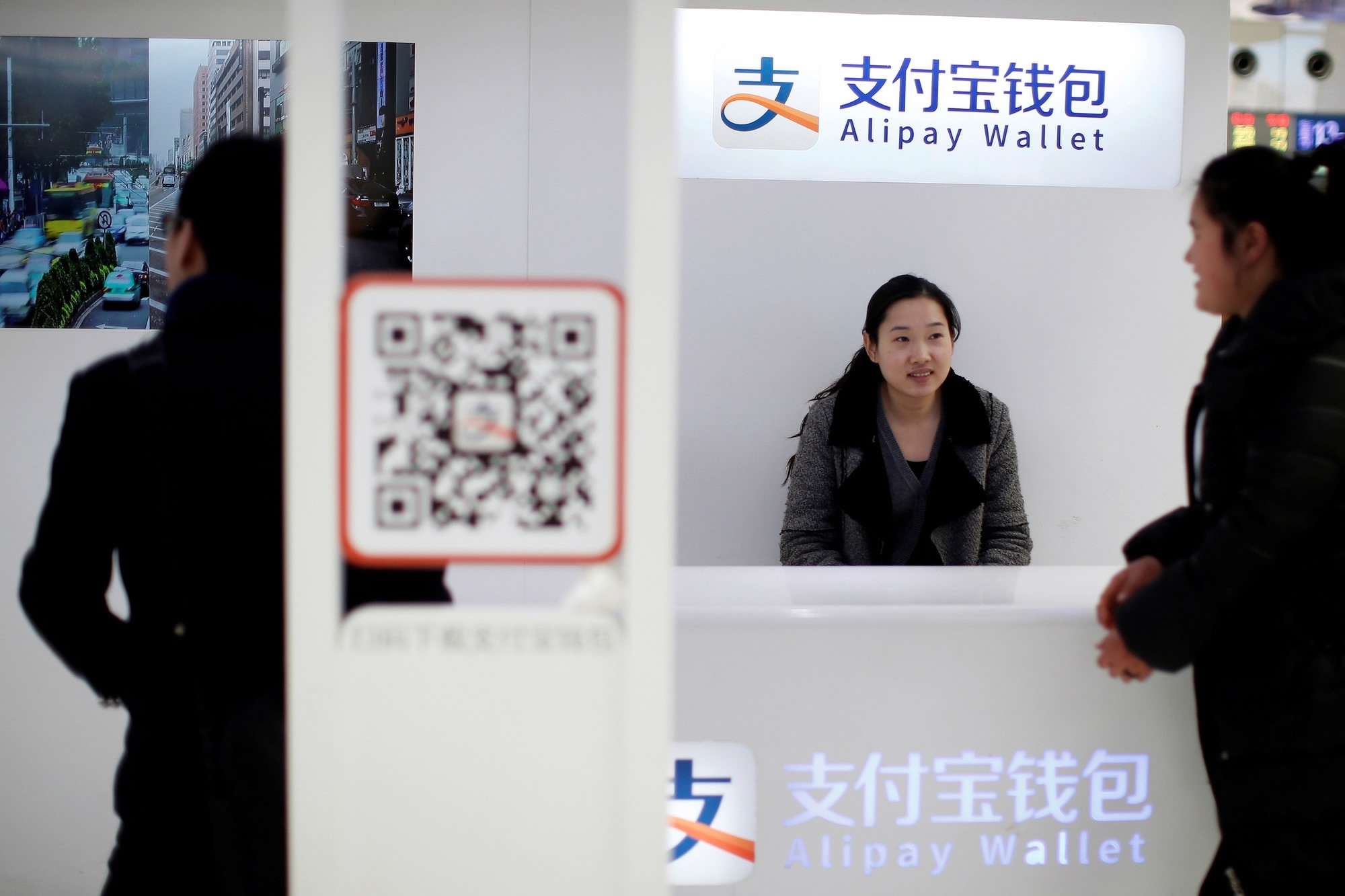
A sales assistant sits behind and under Alipay logos at a train station in Shanghai, February 9, 2015. /CFP Photo
How did that happen?
NBD stated three possible reasons why Chinese consumers prefer local services.
1. Transaction fees
Apple Pay teamed up with UnionPay, China's major financial services corporation, to provide near-field communication (NFC). But UnionPay's service requires higher transaction fees in comparison with its competitors, driving retailers away.
Alipay and WeChat Pay even provide subsidy for shops to promote their market share.
2. Lack of integration
WeChat Pay's recent success depended largely on its bearer WeChat, a famous instant messaging application with daily users exceeding 768 million. WeChat users do not have to resort to separate applications to foot their bills, saving time and trouble caused from switching between apps.
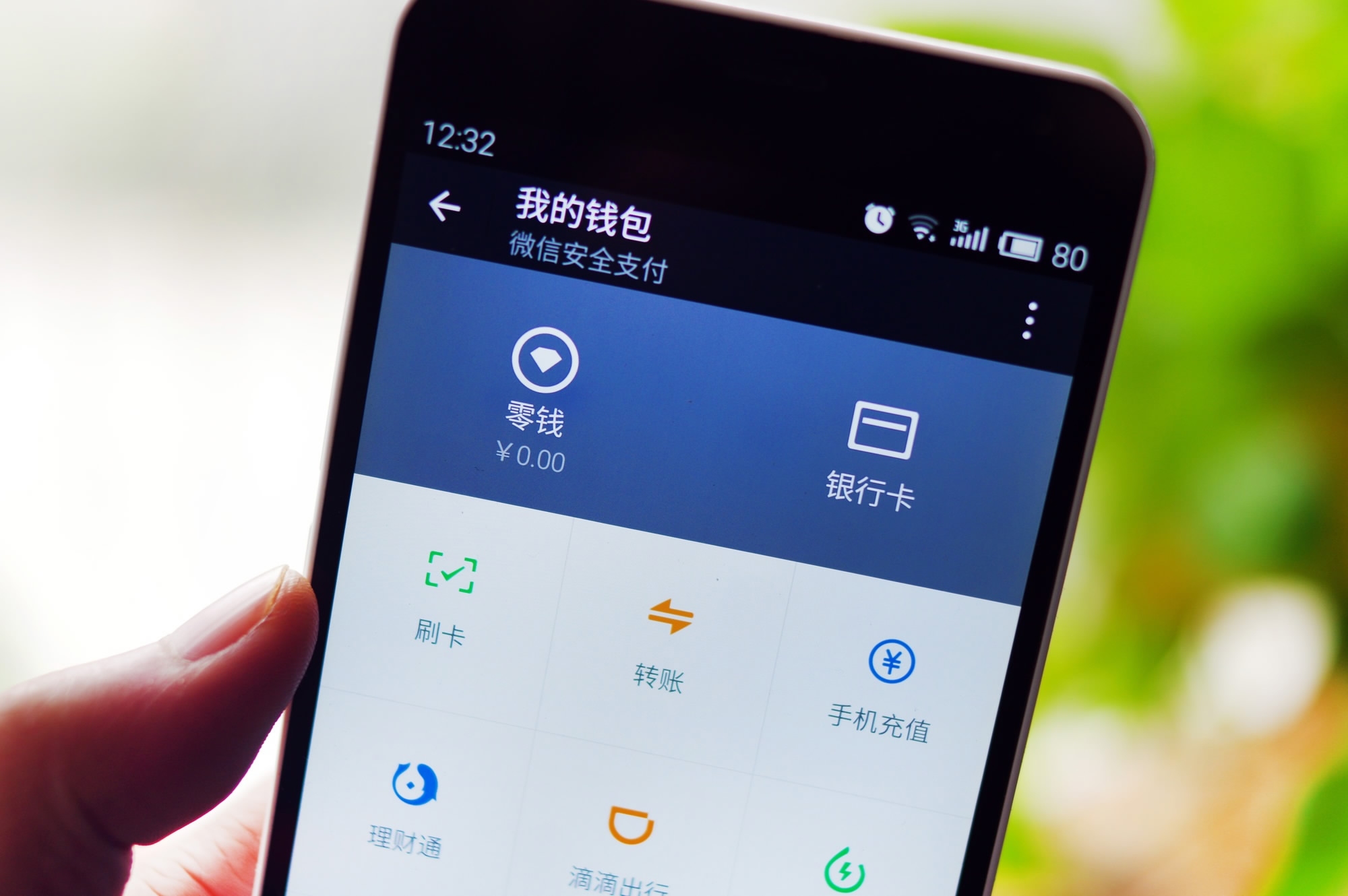
WeChat Pay, showed on an Android phone's screen, is embedded inside an Instant Messaging app. /CFP Photo
3. Hardware restriction
Apple Pay requires an iPhone on the user's side, and a special point-of-sale (POS) machine to function. But Alipay and WeChat Pay can be enjoyed by all Android users, and can function with just a simple QR code.
Which one seems more convenient? Chinese users have already made their minds.
Copyright © 2017
SHARE
- EXPLORE
- MORE
FOLLOW US