SOCIAL


Linking the future: Energy sharing helps Chinese cities go green
2017-05-09 22:04 GMT+8






Editor
He Yan
By CGTN’s Zhao Lingfeng
Inter-state connectivity in the energy sharing sector is getting a boost from the Belt and Road Initiative.
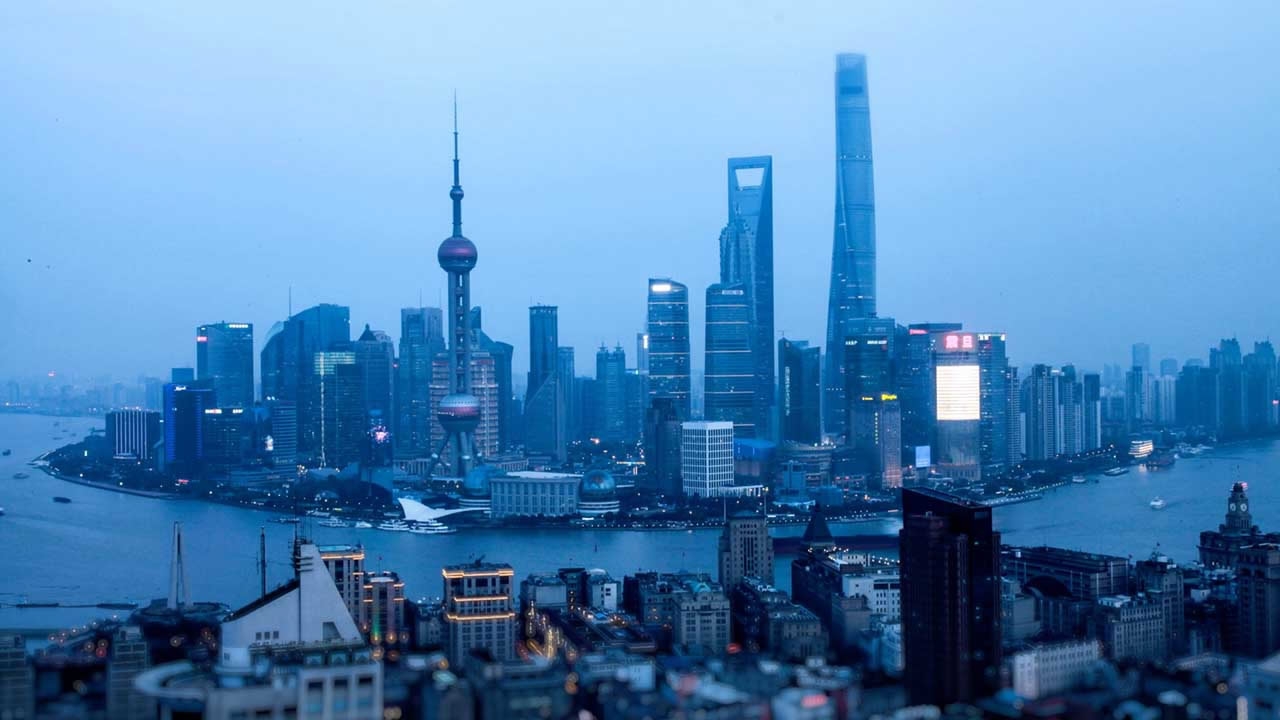
Kimmi Chan, who is originally from Hong Kong, has called Shanghai home for the last three years.

Kimmi Chan, a three-year Shanghai resident, also a frequent gas user from Hong Kong /CGTN Photo
While she's a keen cook, does she know where her kitchen's gas comes from? Her guess is China, but she's not very sure, and only partly right.
Since 2012, Shanghai has consumed around nine billion cubic meters of natural gas, imported from Central Asian countries such as Turkmenistan and Uzbekistan.
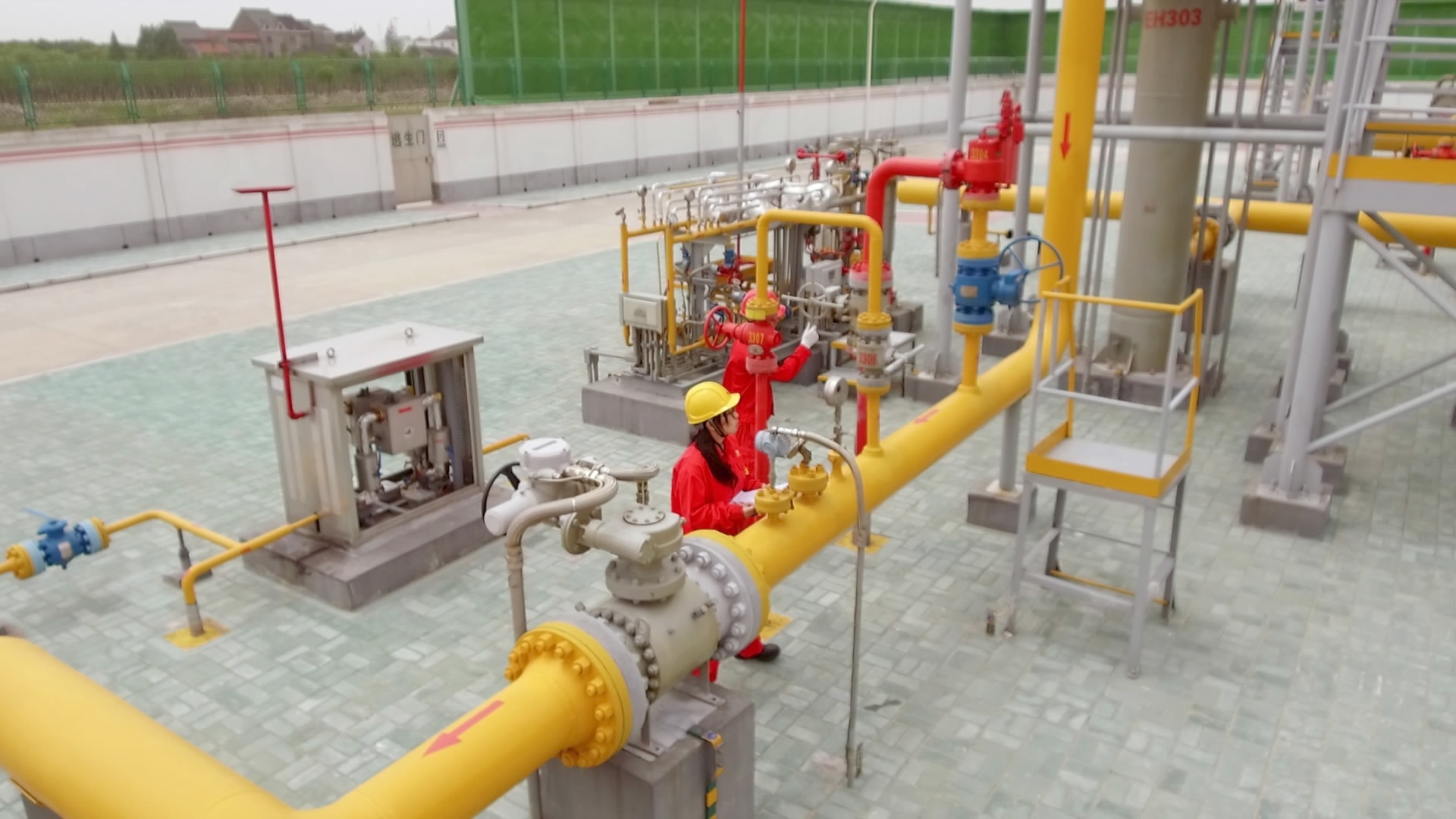
Jinshan Gas Station is the last stop of the West-East Gas Pipeline, before natural gas from Central Asia enters Shanghai’s gas network. /CGTN Photo
At PetroChina’s Jinshan plant in a suburban area of Shanghai, the natural gas from Central Asia enters the city's municipal gas pipeline network. This imported energy supplies over 30 percent of the natural gas consumed by the city.
Making sure gas makes it into homes and factories is a key task for nearly a dozen of workers at the plant.
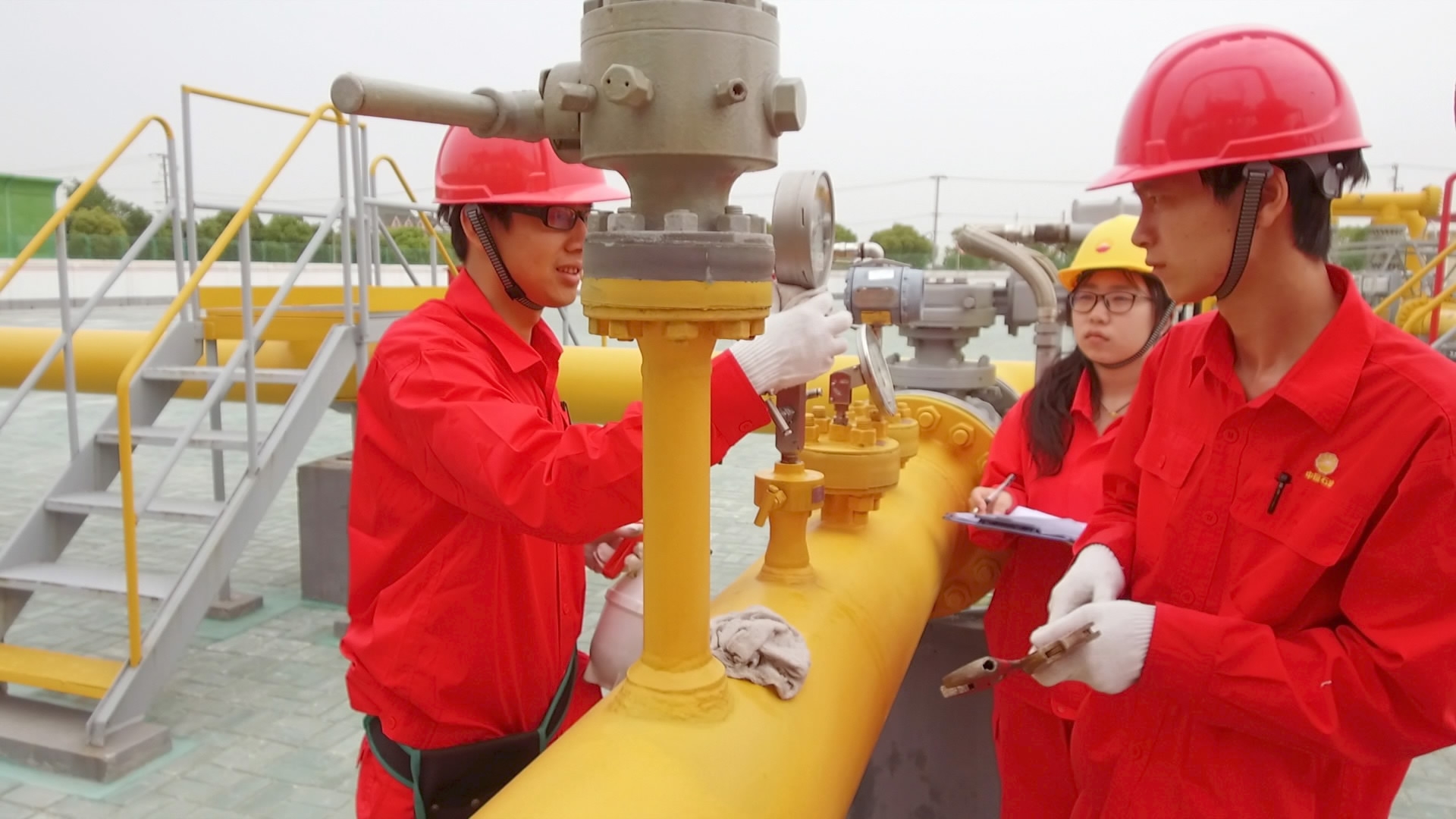
Staff at Jinshan Gas Station check equipment every morning to ensure safety and the supply of two million cubic meters of gas into Shanghai. /CGTN Photo
Hu Jun, who’s the division chief in charge of the gas plant from West East Gas Pipeline under PetroChina says on average the station supplies two million cubic meters of natural gas every day, and its daily peak record could reach seven million cubic meters.
And it's not just Shanghai that gets its energy from abroad.
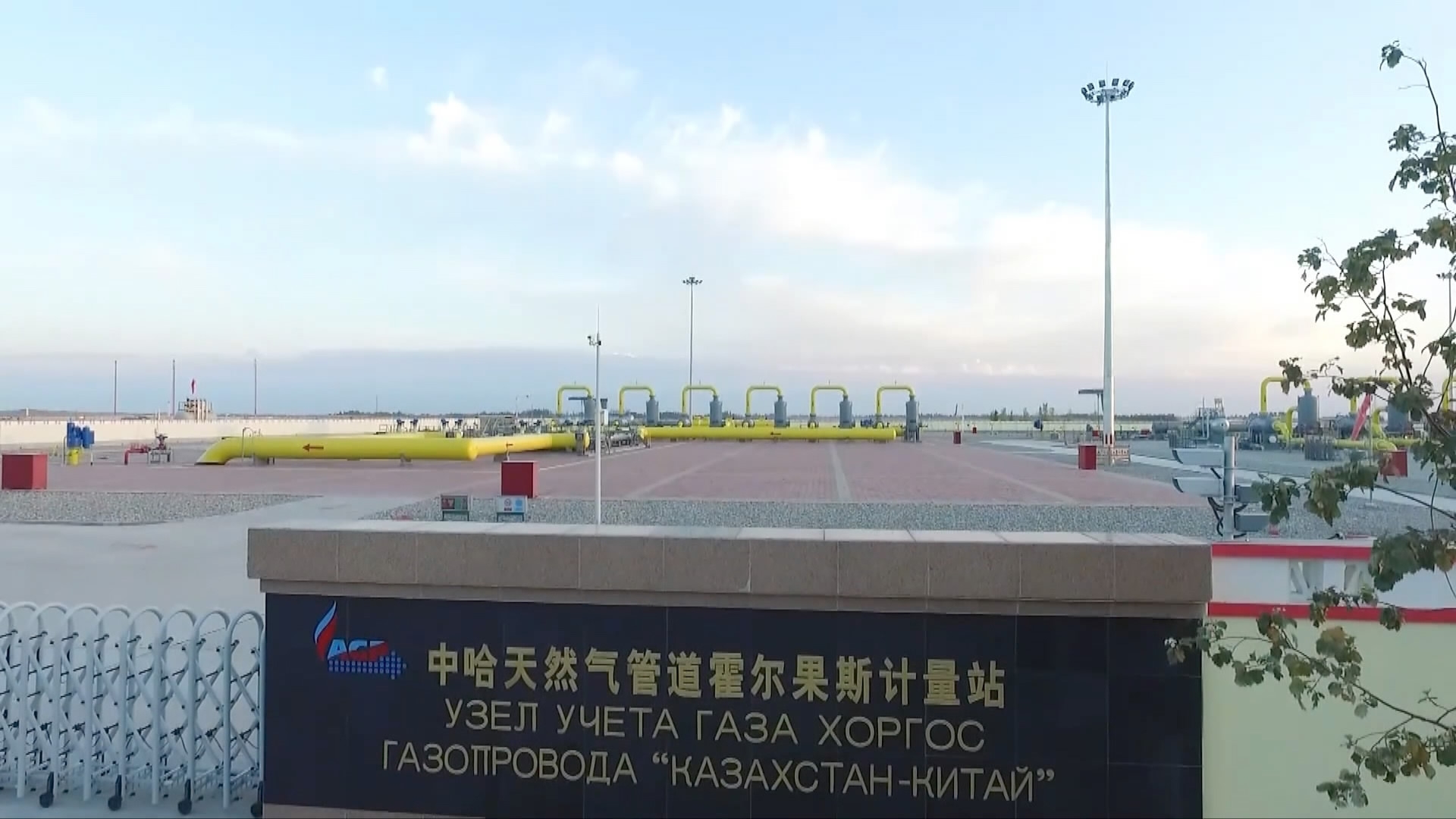
Central Asia’s natural gas enters China through Korgas, a border city in Xinjiang Uygur Autonomous Region. /CGTN Photo
Extensive West-East gas pipelines pass through 15 regions in China with a total population of around half a billion, before reaching the western border city of Korgas near the Kazakh border. From there, these pipelines link up with three cross-state pipelines that run deep into Central Asia.
Over a five-year period, they have transported more than 170 billion cubic meters of natural gas into China. And that amount is set to increase, with an additional cross-border pipeline set to open in 2020.
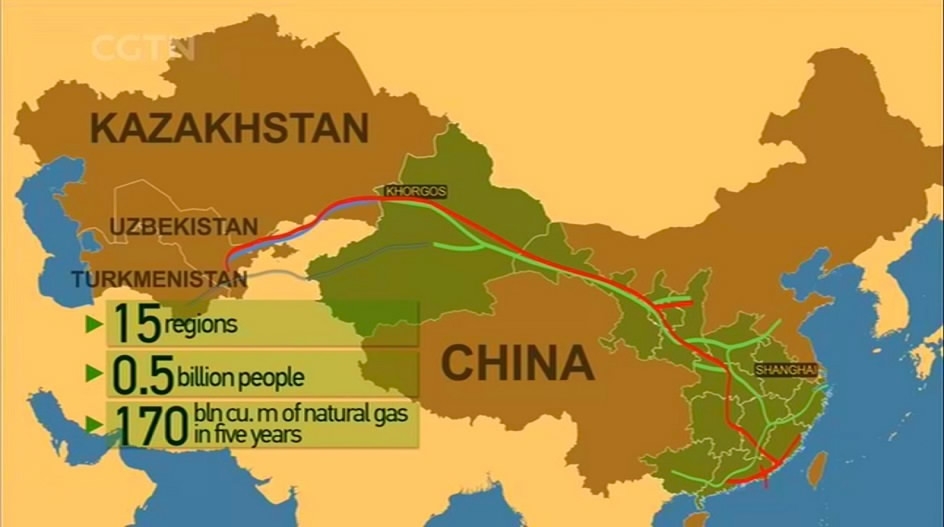
CGTN Photo
Such growth is because, according to Hu, the production of natural gas in China cannot meet demand, so China needs foreign resources to provide impetus to its economic growth.
According to China’s development plan, by 2020 natural gas is expected to account for 10 percent of primary energy consumption, an increase from the current level of 6 percent, thanks to imported supplies.
Copyright © 2017
SHARE
- EXPLORE
- MORE
FOLLOW US