
Culture & Sports
23:03, 04-May-2017
Four Treasures of the Study: The story of the perfect calligraphy brush
 []
[]
Share







Copied
By CGTN’s Chai Haoran, Tianran He
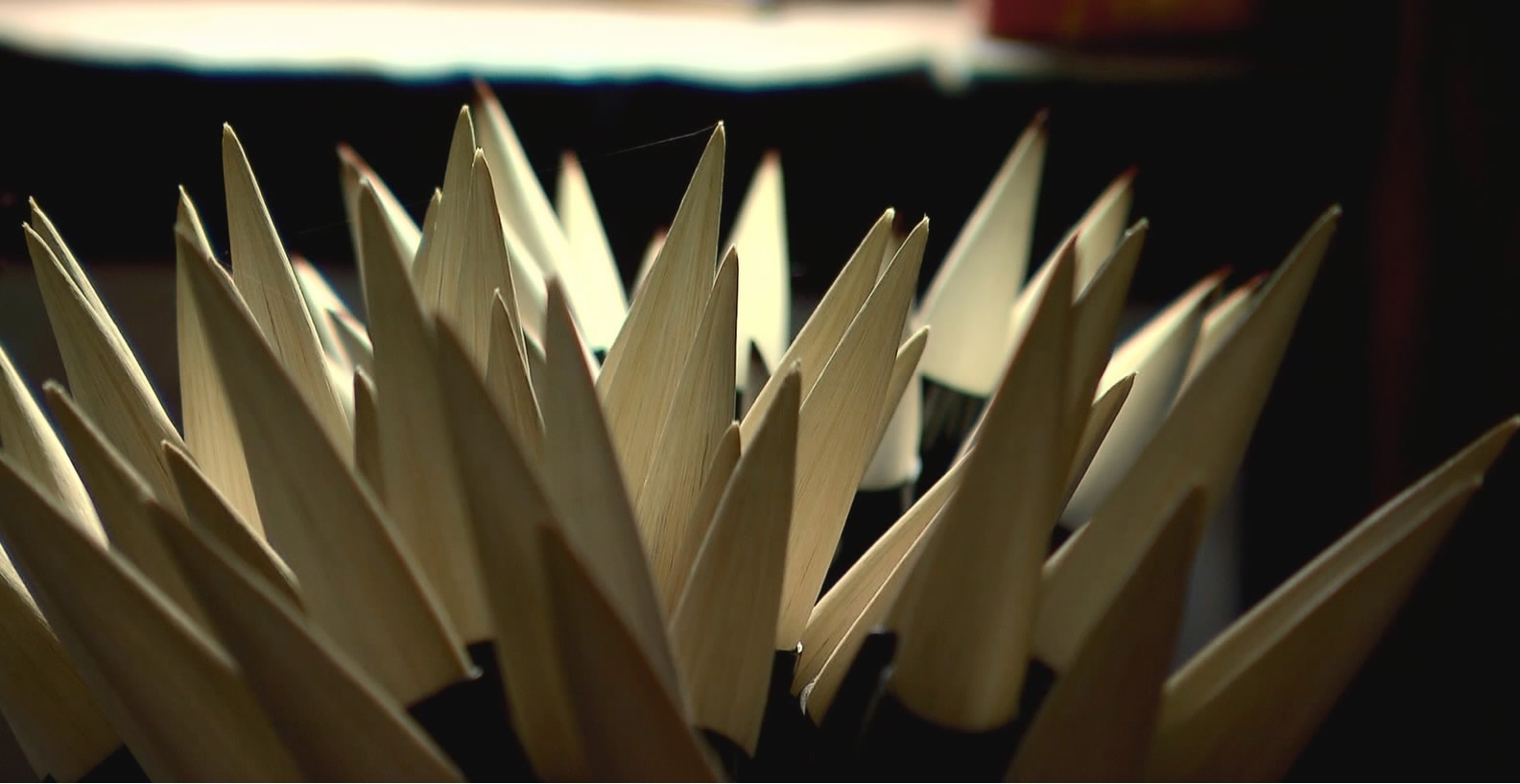
In the West, calligraphy is something of a niche hobby – the closest most people ever get to doing any is when they’re feeling adventurous with MS Word. In China, however, calligraphy was considered fine art long before paintings became popular. It’s an honest art: unlike painting, you only get one shot with calligraphy – mess up your character, and it’s there for everyone to see. With so much riding on each stroke, you want to make sure you have a good brush.
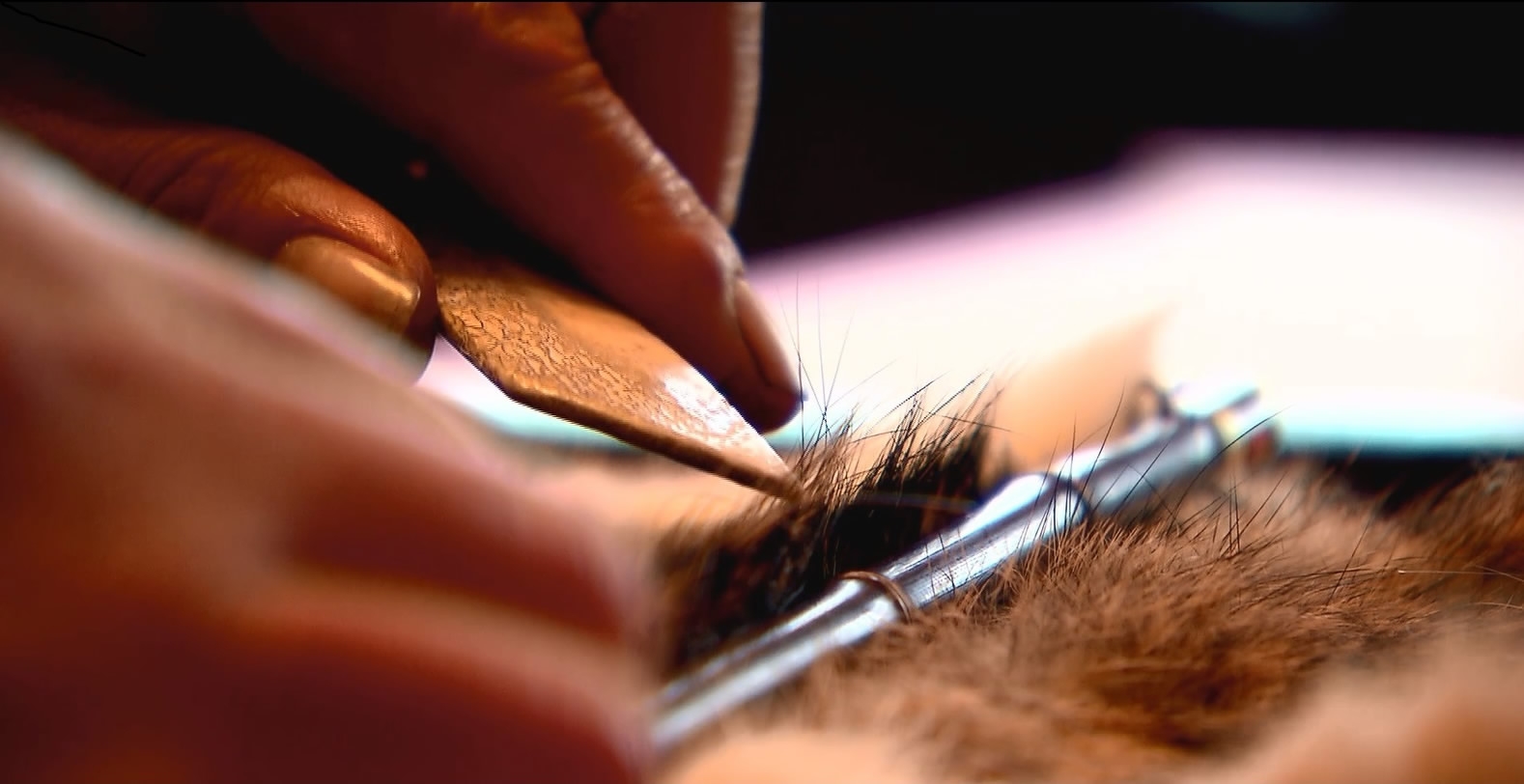
Photo provided by Travelogue
Photo provided by Travelogue
Popular legend attributes the origins of the ink brush to roughly 2,000 years ago when a general, called Meng Tian, discovered that the hair of the rabbits local to Xuanzhou in today's Anhui Province was ideal for brush-making. This gave birth to the Xuan brush, and although its tips can be made of anything from goat to weasel or even a new-born child’s hair, the general’s favorite was ‘Zi Hao’, an extremely rare kind of purple rabbit fur.
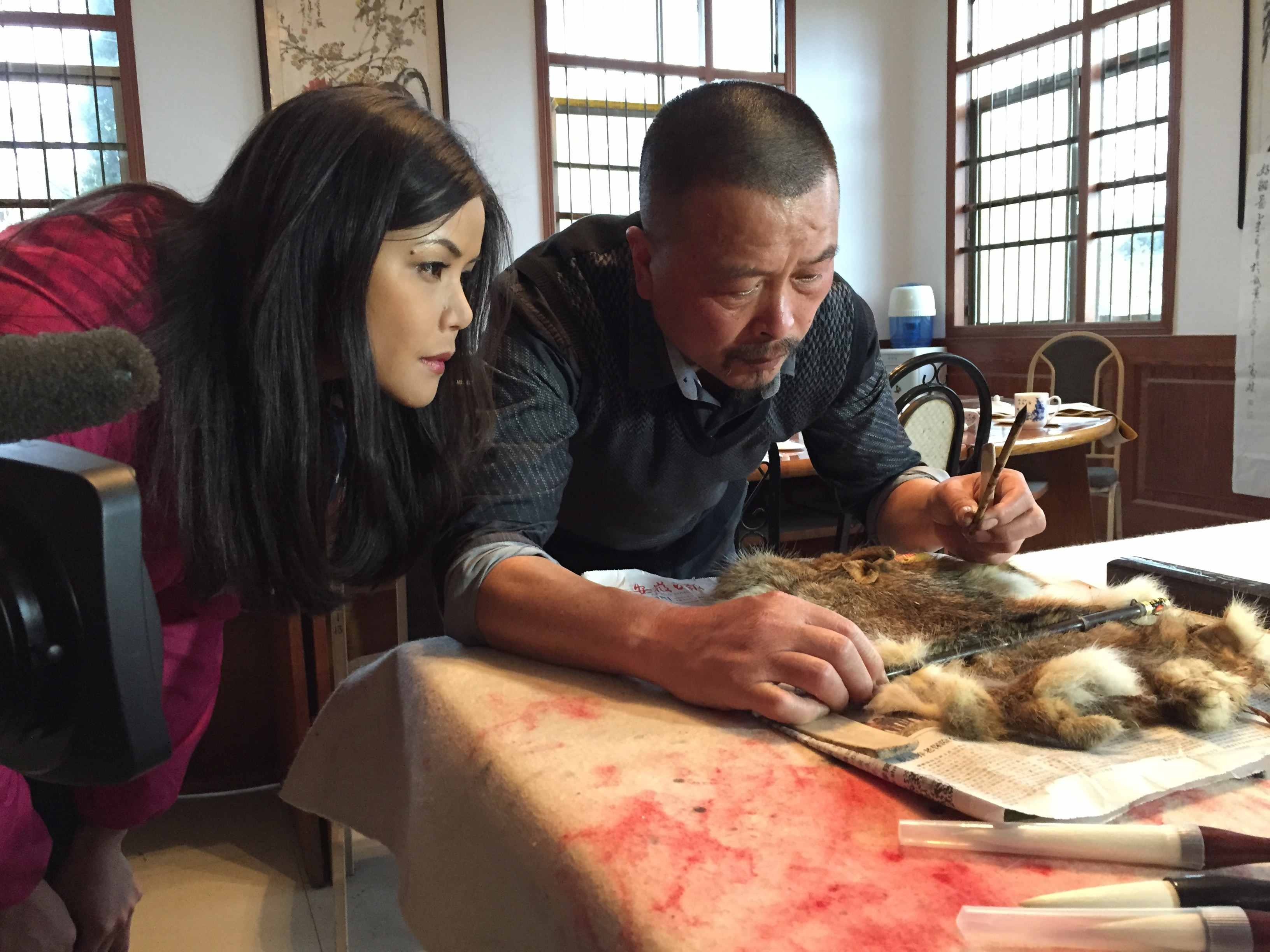
Photo provided by Travelogue
Photo provided by Travelogue
There’s no need to break the bank, though: different sizes and textures of hair suit different purposes. Most people use medium-sized brushes, while some prefer smaller ones for intricate design work. Moreover, each type of hair has a specific ink capacity, creating distinct brush strokes; it’s rather like using a 2B pencil instead of an HB. It’s all about choosing the right brush for the right job.
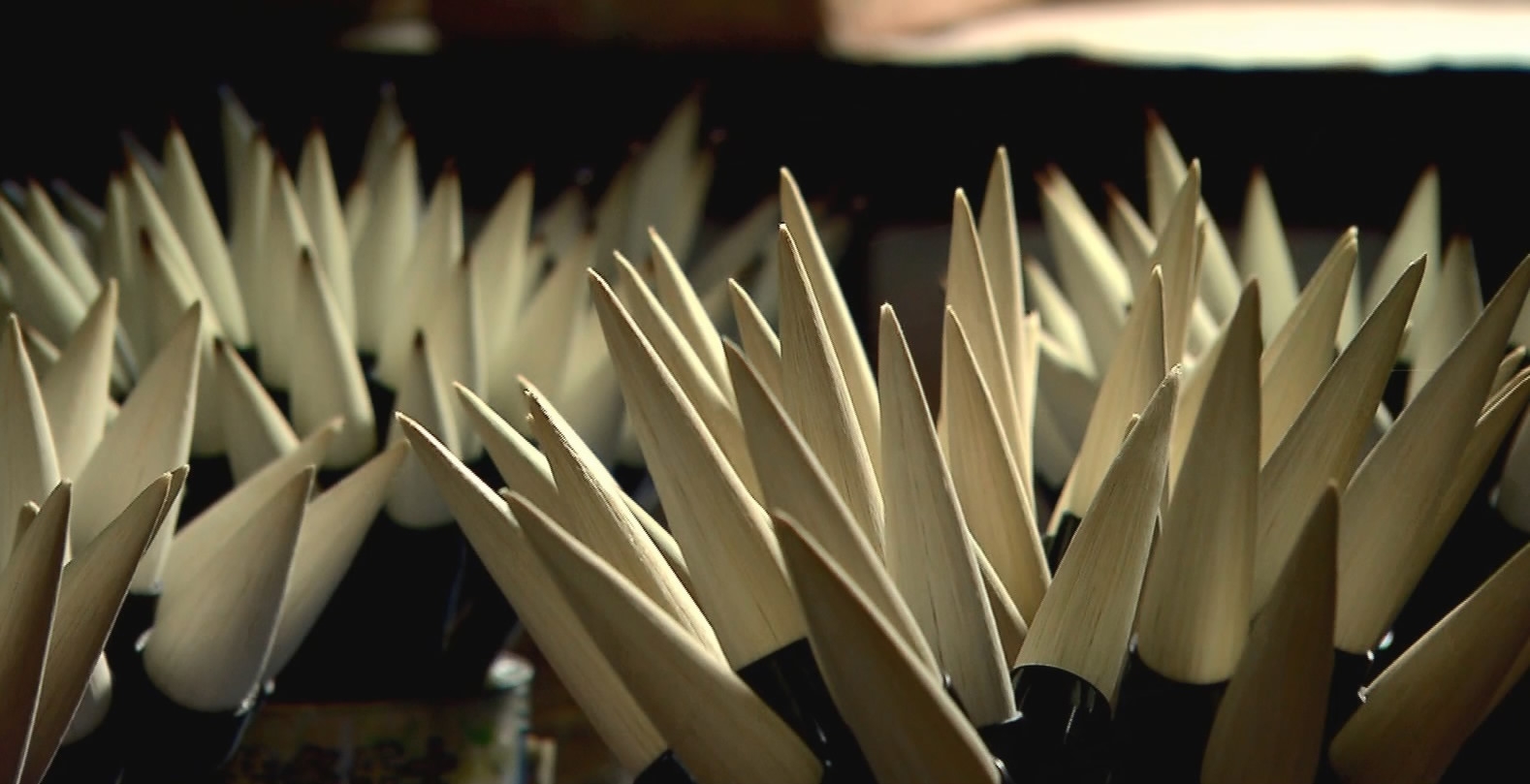
Photo provided by Travelogue
Photo provided by Travelogue
So, what makes a good brush? Despite the many variations out there, there are just four ‘virtues’ to look out for in a brush: A fine tip, roundness, evenness, and flexibility. If it ticks all these boxes, then you’re good to go – all that’s left is to figure out what you want to write.
1042km