SOCIAL


Pink Tax creates gender-based price differences in Brazil
2017-04-15 08:08 GMT+8







Editor
Zhao Hong
By CGTN's Paulo Cabral
Studies document how women worldwide earn lower salaries than men for comparable work. But research also shows women in Brazil and elsewhere are charged more than men for comparable products and services.
Wanessa Dias, a mother of two, has already noticed the products she buys for her daughter are more expensive than those she purchases for her son, like toys and clothing.
This gender-based price difference for similar products is what has been dubbed by economists as Pink Tax.
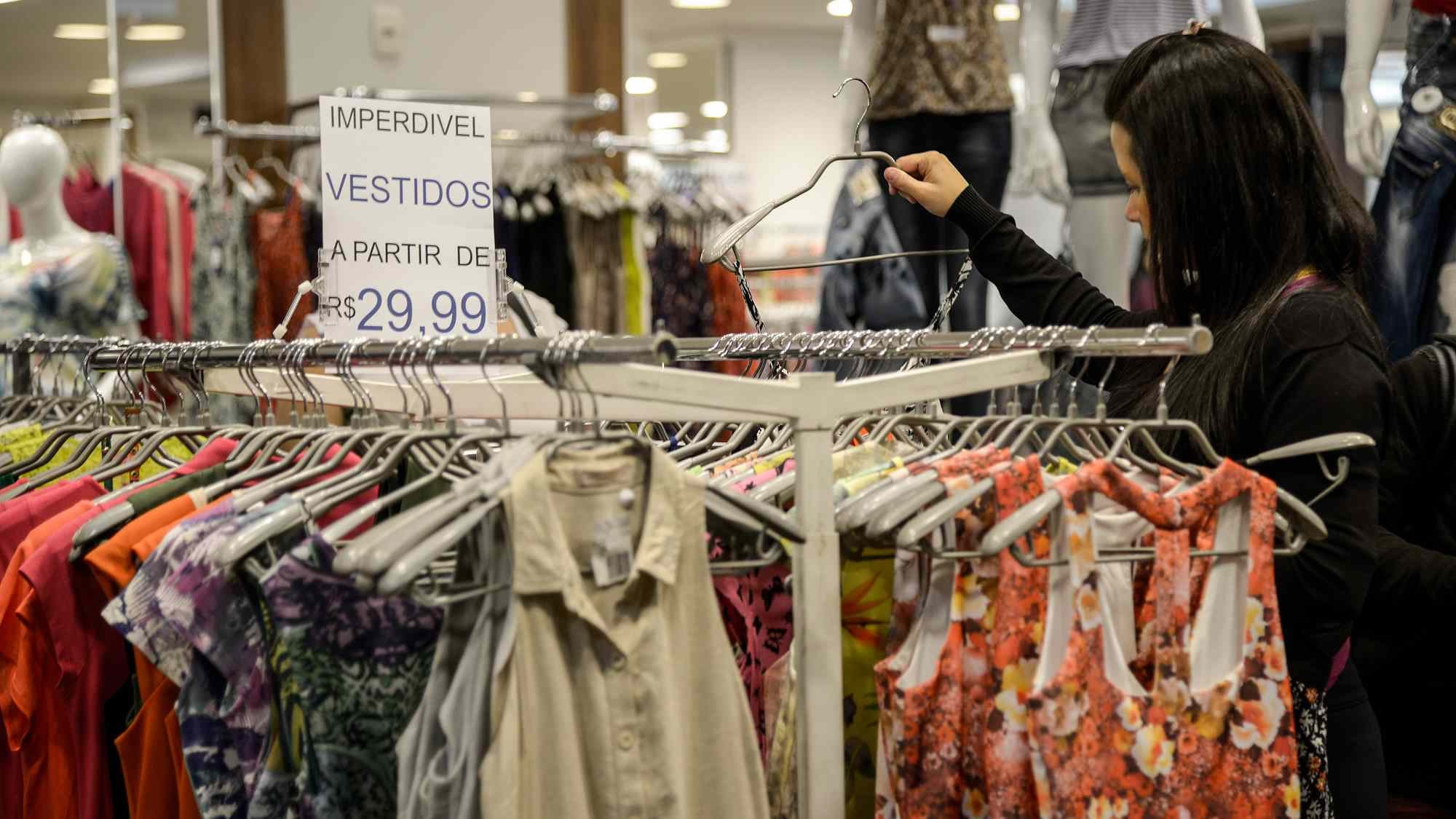
A woman shops at a clothing store in Sao Paulo, Brazil. /CFP Photo
"I think it's a cultural issue," Dias said. "It comes from a time when women were seen as having the obligation of being well-dressed and look good all the time. So we'd buy products to be what was expected, no matter the price. I think this thought is still stuck in many people's heads."
A survey by ESPM Brazilian School of Business found women pay a Pink Yax averaging 27 percent for a haircut, 26 percent for girls' toys, 23 percent for children's clothing, 17 percent for adult clothing, and four percent for personal hygiene products.
The researcher who conducted the survey said the difference has to do with old habits, coming from a time when shopping was seen as primarily a women's activity.
"From the early years of the 20th century up to World War II, the retail business grew a lot, but men didn't have the habit of shopping," Fabio Mariano, ESPM retail expert said. "It was seen as something for women. So, retailers used to charge less from men to attract them to their shops. Then, the world changed. Men are also shoppers now, but this price structure has never changed."
Copyright © 2017
SHARE
- EXPLORE
- MORE
FOLLOW US