SOCIAL


Chinese to undergo IVF treatment in Australia
2017-02-09 12:26 GMT+8
9175km to Beijing






Editor
Wang Mingyan
A Melbourne in-vitro fertilization (IVF) clinic has signed an agreement that will see Chinese couples flown into Australia for fertility treatment.
Up to 100 Chinese women will receive treatment at Monash IVF Australia, the facility which completed the world's first IVF pregnancy in 1973, in the next 12 months with the possibility of more in the future.
The move comes in response to the waiting list for IVF clinics in China being up to two years long due to the country's growing middle class and relaxation of the one-child policy.
James Thiedman, CEO of Monash IVF, said the clinic's reputation resonated with potential Chinese clients.
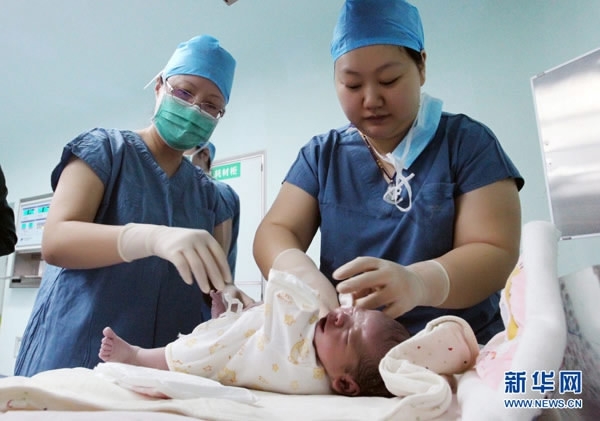
Medical staff dress a newborn test-tube baby at a hospital in Xi'an, NW. China's Shaanxi Province. /Xinhua Photo
"Now in China you have literally millions of women between their mid-30s to mid-40s who have one child, and now have the opportunity to have a second child, and the unfortunate reality is many of these women, due to their more advanced maternal age will struggle to conceive spontaneously, so they need some help," Thiedman said on Thursday. "While there are fertility clinics in China, they don't necessarily have the level of technology that we have here in Australia, but also importantly their waiting lists because of this sudden step up in demand, are up to two years.”
He said the intake of Chinese clients would not have any effect on the clinic's capacity to treat local patients.
CFP Photo
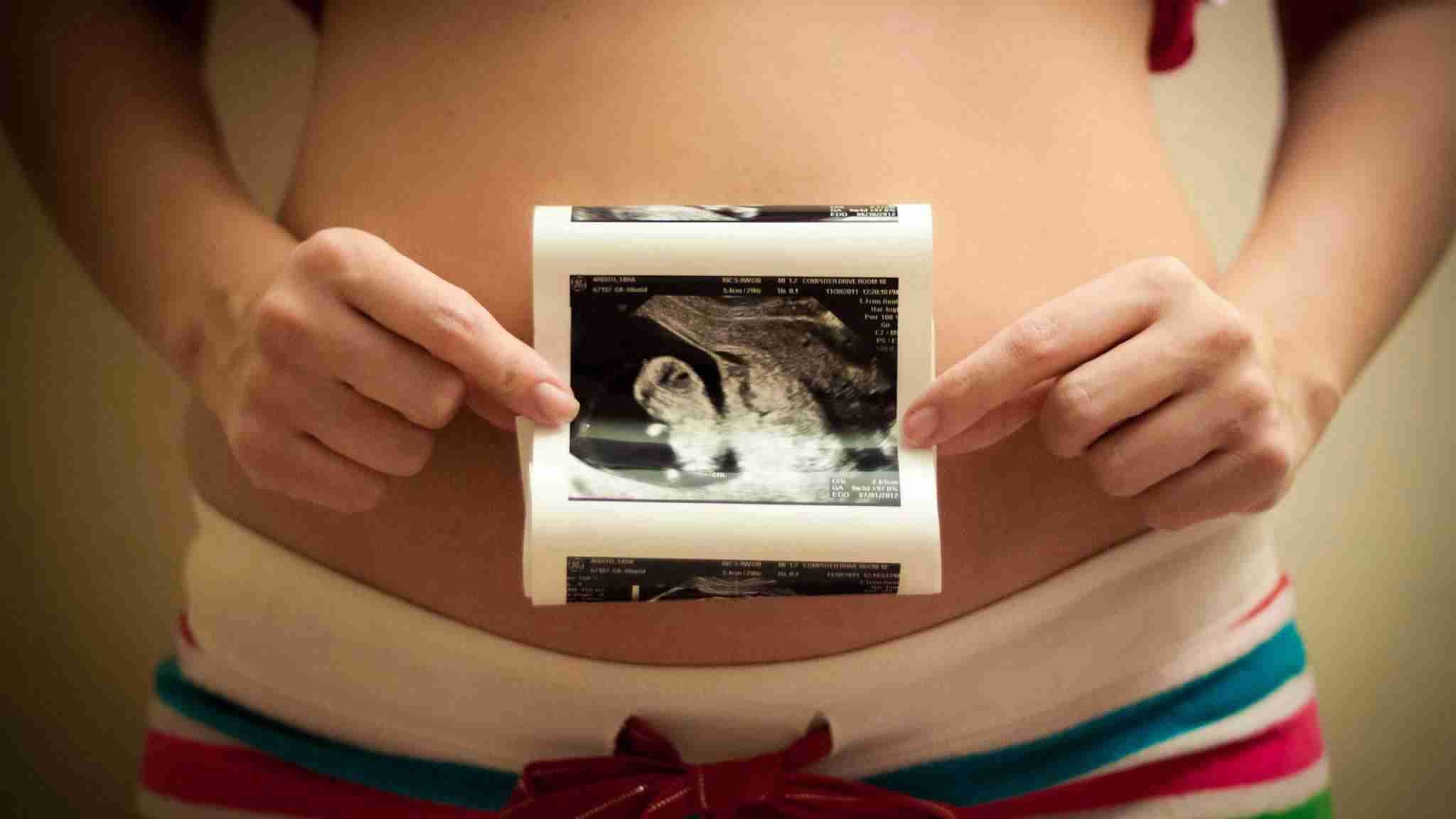
As the infertility rate is high in China, and the one child policy ended in 2015, IVF is widely regarded as one of the most effective assisted reproduction techniques for treating infertility.
Since Louise Brown, the first test-tube baby, was born in Britain in 1978, about five million babies have been born worldwide through IVF. China saw the first test-tube baby on the mainland in 1988.
According to official data, about 10,000 test-tube babies were born in China between 1988 and 2004, and now more than 200, 000 babies are born thanks to IVF treatment every year.
CFP Photo
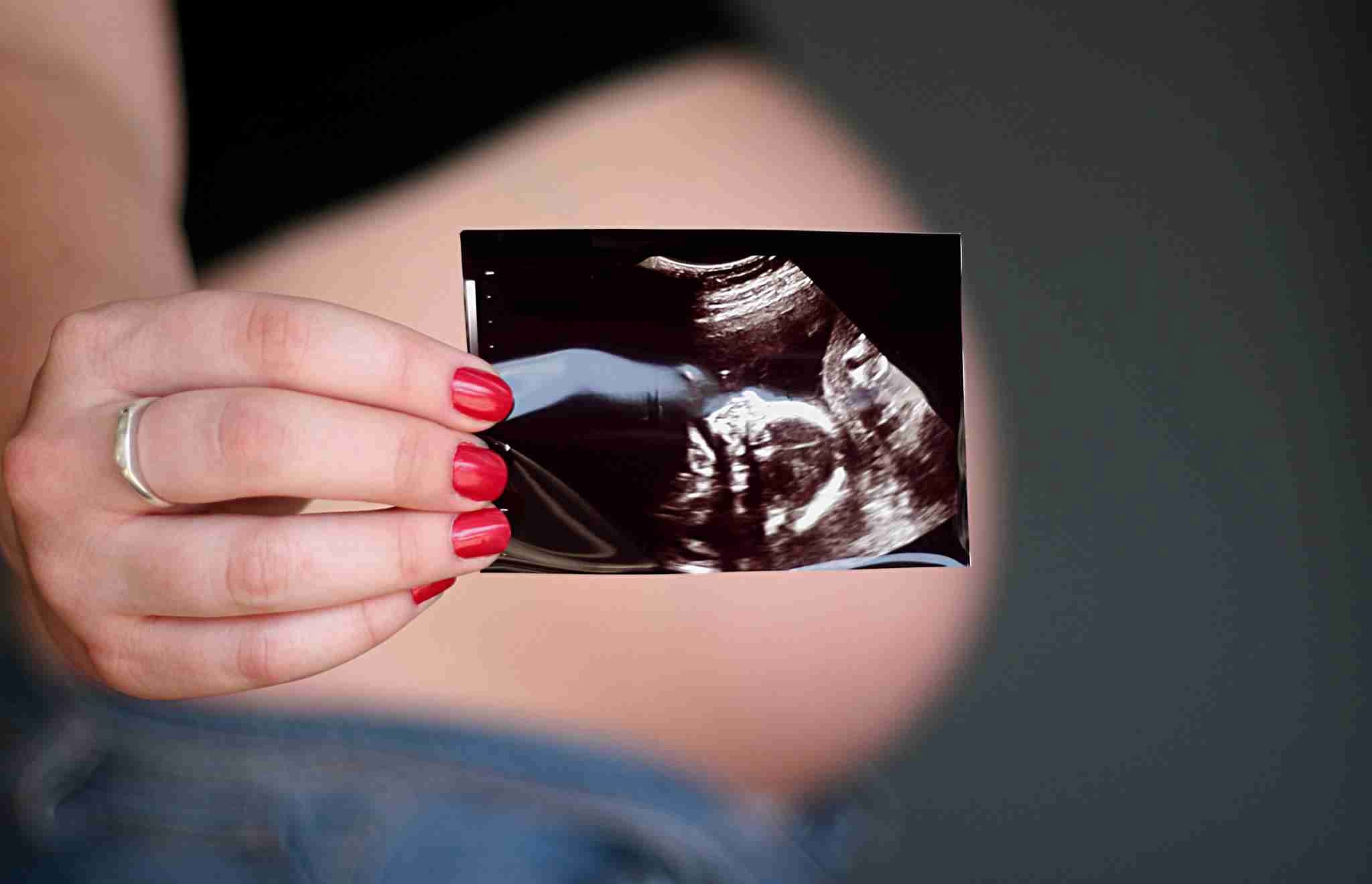
But surrogacy is an illegal activity in China and has been banned since 2001, when the Laws of the Management of Auxiliary Reproductive Technologies of the Human Race were enacted, where transactions of gametes, zygotes and embryos in any form are prohibited. The government regards it as a complicated social issue that concerns law, morality and social stability.
Surrogacy is also banned in countries like France, Germany and Sweden, however, it is legal in many other countries including the UK, Denmark, some US states and Russia.
On Wednesday, an official from China's National Health and Family Planning Commission said the country will continue to crack down on surrogacy, to ensure that people can enjoy safe, legal and effective auxiliary reproductive methods.
(Story by Wang Mingyan and Zhu Mei; With inputs from Xinhua)
9175km
Copyright © 2017
SHARE
- EXPLORE
- MORE
FOLLOW US