POLITICS


China eyes on Belt and Road initiative to buttress globalization
2017-03-27 19:37:27 GMT+8







Editor
Yang Di
The Boao Forum for Asia (BFA) held in southern China’s Hainan Province ended on Sunday with a loud and clear support for globalization, calling in an initiative upon Asian countries to stay committed to open markets, inclusive growth and economic cooperation.
The endorsement of tearing down trade barriers by the world’s second largest economy is a shot in the arm for supporters of a liberal economy while the political trend to segment an ever more connected world is still alive, as evidenced by the quarrels around the UK’s impending split with the EU and rise of far-right political sentiment within the EU.
While China has succeeded in drawing the world’s attention eastwards by swimming against the tide, the world is also looking impatiently at what China has to offer to appeal people’s distrust of openness in places where the key supporters of freedom of movement have retreated.
CFP Photo
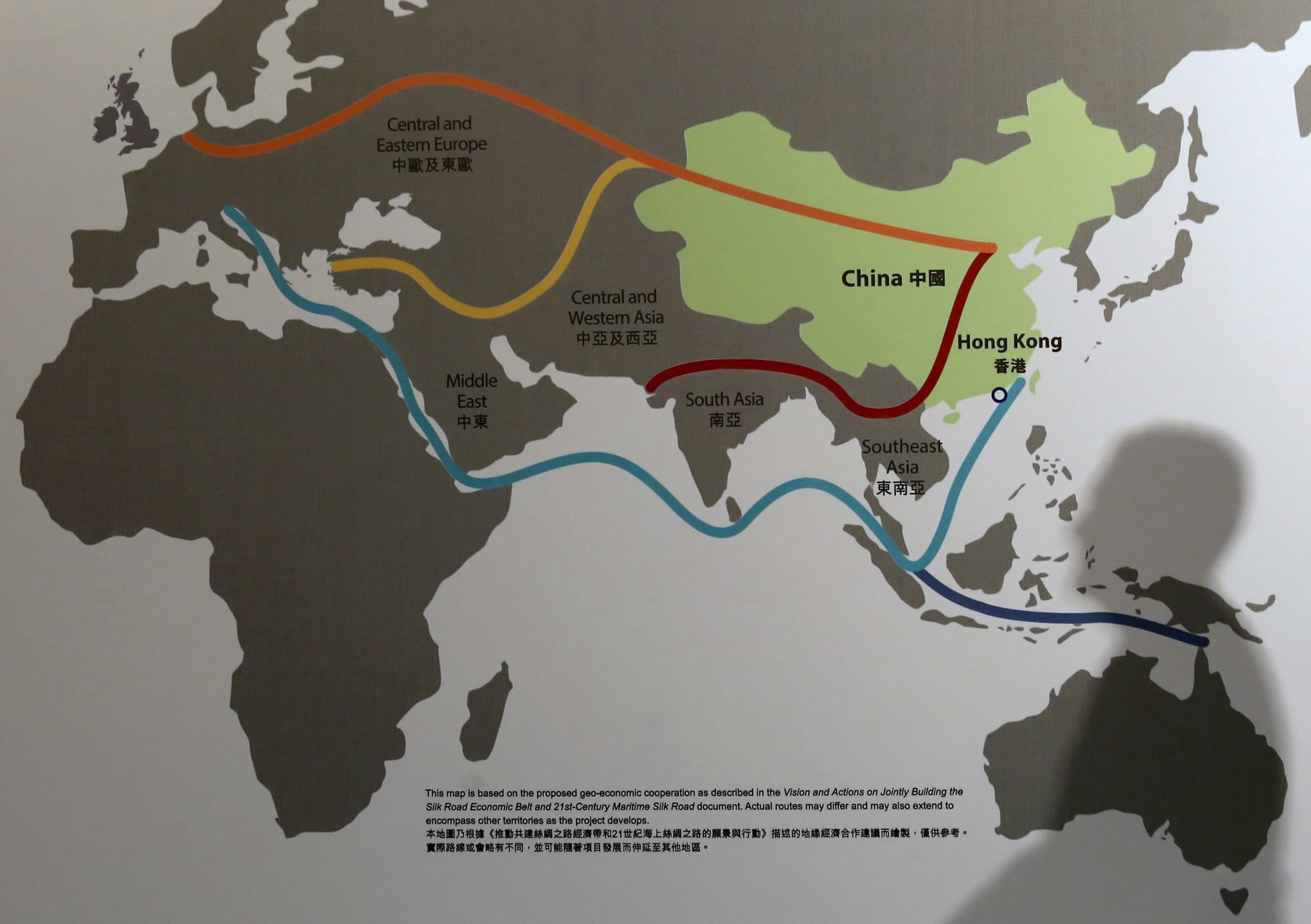
China’s answer, at least the one provided through the BFA, is its Belt and Road Initiative. The ambitious proposal is to “connect Asia with Europe and Africa along the ancient trade routes,” said Zhou Wenzhong, General Sectary of the BFA during the forum’s two-day annual meeting.
"The Belt and Road Initiative, in a sense, is China's answer to globalization," Zhou said.
So far the Initiative has been putting its money where its mouth is. The value of infrastructure projects under the Initiative rose 47 percent in 66 countries and regions, according to accounting firm PwC.
This has increased its popularity among global partners. Over 100 countries and international organizations have expressed their willingness to cooperate with China under the Initiative, with nearly 50 cooperation agreements having been signed.
The scheme has promoted economic and trade cooperation and offered a new way to tackle the anti-globalization trend, according to BFA's annual report on the development of emerging economies.
However, the road ahead may be not always smooth for China to push forwards its plan of connecting the world.

CFP Photo
According to the Financial Times, a UK newspaper, Australia has recently declined to merge its own developmental strategy with the Chinese initiative for fearing of alienating the US, its traditional ally.
Criticism of the project also comes from the market. The voice of concern emerges time and time again that China has been “dumping its overcapacity” with the Initiative, to which Chinese authority assures joint action to rid the world of redundant supply.
As being confrontational is possibly the worst manner with which to implement a strategy of inclusiveness, China has set about further communicating with the world about how the Belt and Road Initiative will bring new momentum to global growth, for which a two-day summit has been arranged for May 14 and 15 this year in Beijing.
One of the aims of the Belt and Road Summit is to reinforce consensus among partners and consolidate the ground for more cooperation, said Yang Jiechi, China’s State Councillor who is in charge of the preparation of the upcoming summit in February.
China is willing to work with all the countries concerned to build up a long-term mechanism for future cooperation, Yang added.
Copyright © 2017
SHARE
- EXPLORE
- MORE
FOLLOW US