TECH & SCI


Tradition meets technology as China tackles infertility
2017-04-12 14:15 GMT+8
1468km to Beijing






Editor
Yao Nian
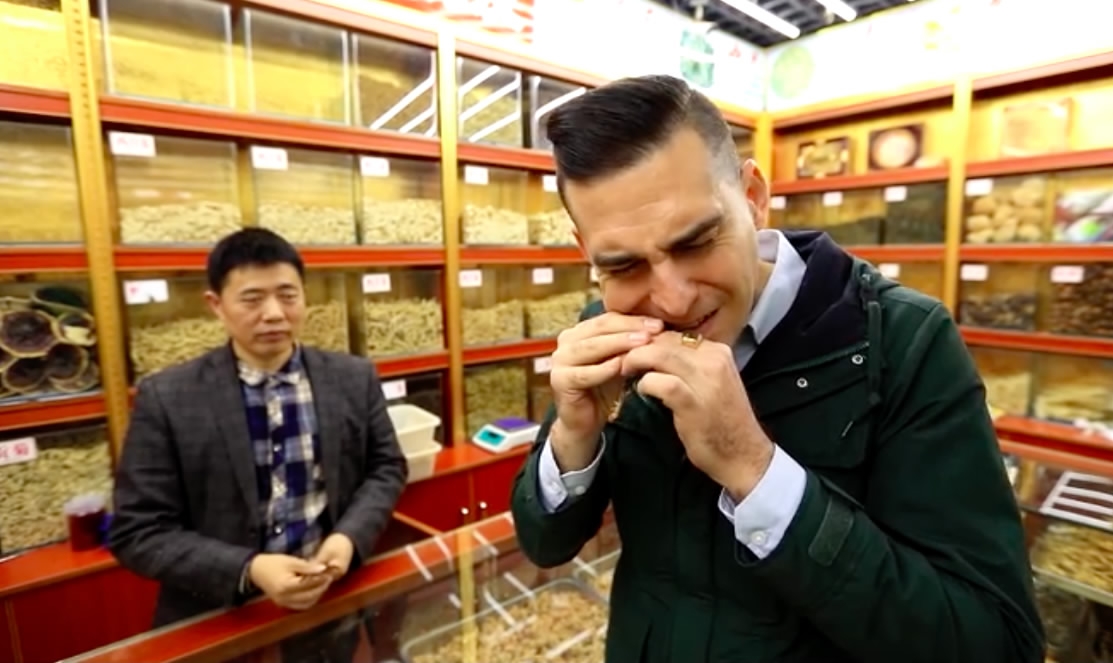
The vendor looks at me expectantly, mischievous anticipation on his face as I apprehensively raise the dried centipede towards my mouth.
“It’s good for men,” he says.
I eye the desiccated insect corpse in my hands dubiously.
I’m standing in the biggest Traditional Chinese Medicine (TCM) market in Chongqing Municipality, in western China.
We’re here investigating what benefits, if any, TCM might offer men and women facing fertility problems.
I’m told the centipede snack I’m holding is a tried and true remedy for men suffering from infertility. It’s not something I suffer. That I’m aware of.
But you never can be too careful with these things, right?
With a final pleading look towards my film crew – no help there – I give in to the inevitable and take a bite of the creepy-crawly.
It tastes absolutely terrible. But if anything, if shows just how far people in China are prepared to go to have a baby.
According to the China Women’s Federation, a staggering 40 to 50 million Chinese people are now estimated to suffer from infertility, which is diagnosed after a couple fail to conceive naturally after a year of trying.
With the recent end of the one-child policy, an estimated 90 million Chinese couples are now newly eligible to have a second child, and roughly 60 percent of them are believed to be 35 years or older.
Rediscovering China, with this in mind, set out to explore how China is tackling infertility, which the World Health Organisation says will be the third most serious disease worldwide in the 21st century, topped only by cancer and heart disease.
In-vitro fertilisation (IVF) treatment is becoming increasingly popular in China, and since the nation delivered its first IVF baby in the mid-80s, about 400 IVF centres have opened across the country.
But many couples choose to combine modern, western treatments with ancient, eastern remedies, believing that doing so will double their chances of conceiving.
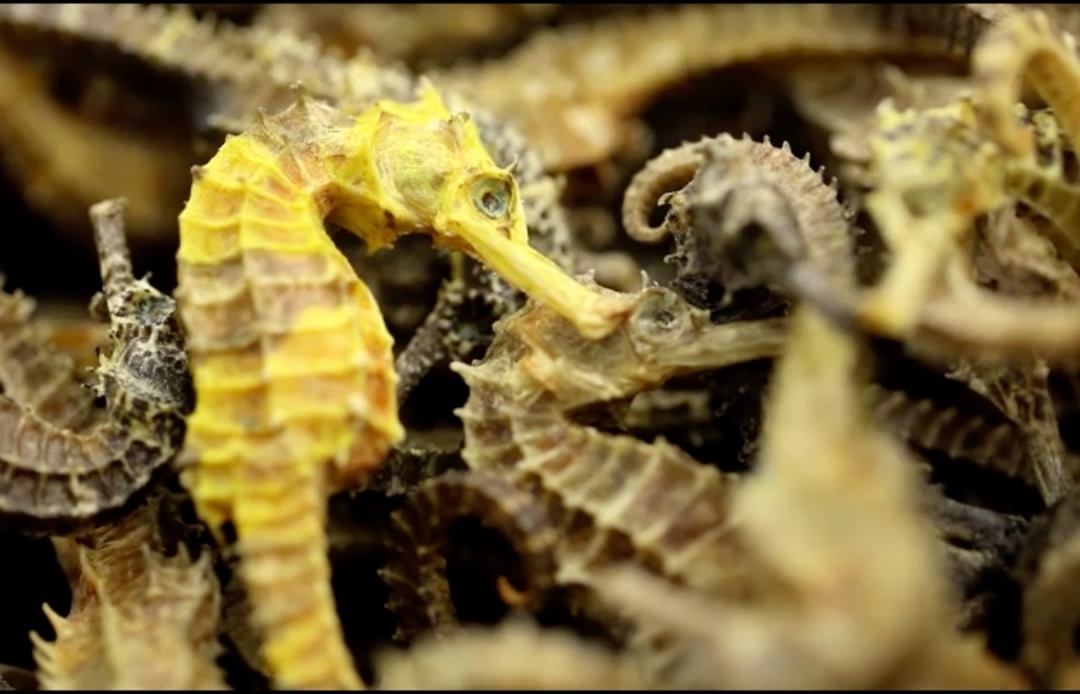
Dried seahorse, a TCM remedy supposed to send the male libido galloping /CGTN Photo
I’ve heard rumours that some of the more arcane remedies are on sale here in the TCM market’s back rooms: Illegal things, like tiger’s penis.
My guide deftly avoids confirming or denying this. Instead, he hands me samples of dried donkey’s and dog’s penis.
It’s perhaps culturally insensitive, and hypocritical, but the dog’s penis in particular I find very upsetting.
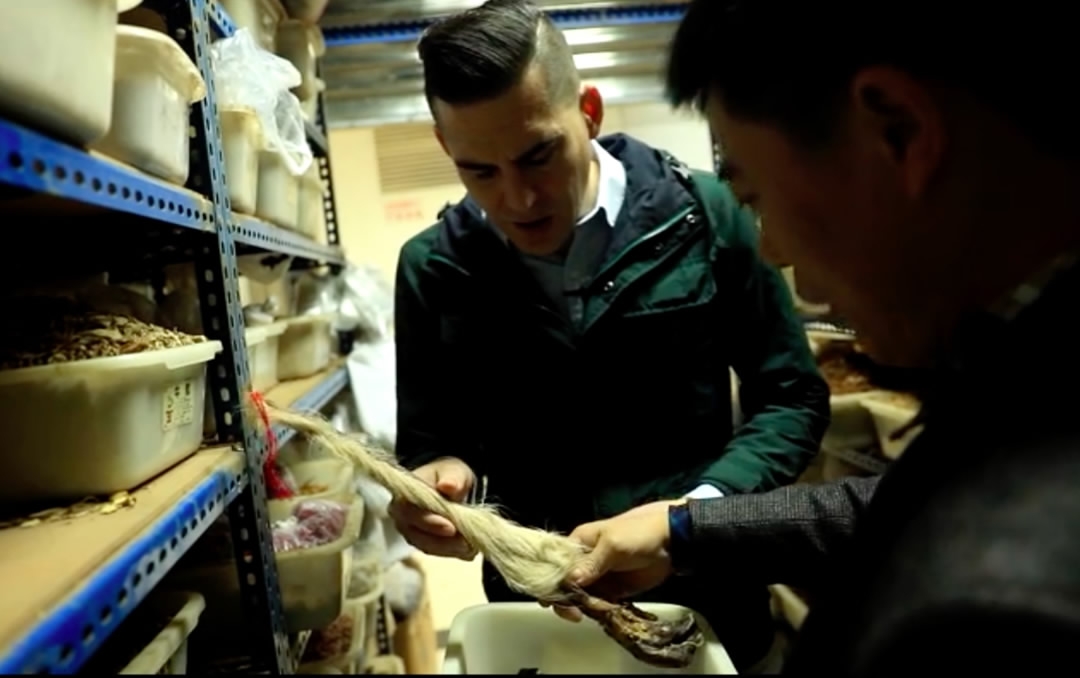
A TCM vendor shows Rediscovering China reporter, Joey Catanzaro, a sample of donkey’s penis, believed to cure infertility in men. /CGTN Photo
“It’s hard to get my head around using this as a medical treatment,” I tell him. “I can’t say I agree with it.”
To be fair, neither would any of my Chinese friends, who are among some of the biggest animal lovers I’ve ever met.
So, does any of this actually work in treating infertility in men and women?
According to Dr Ye Hong, at Chongqing Public Hospital’s IVF Centre, there are early signs TCM may help couples struggling to have children, but the jury is still out.
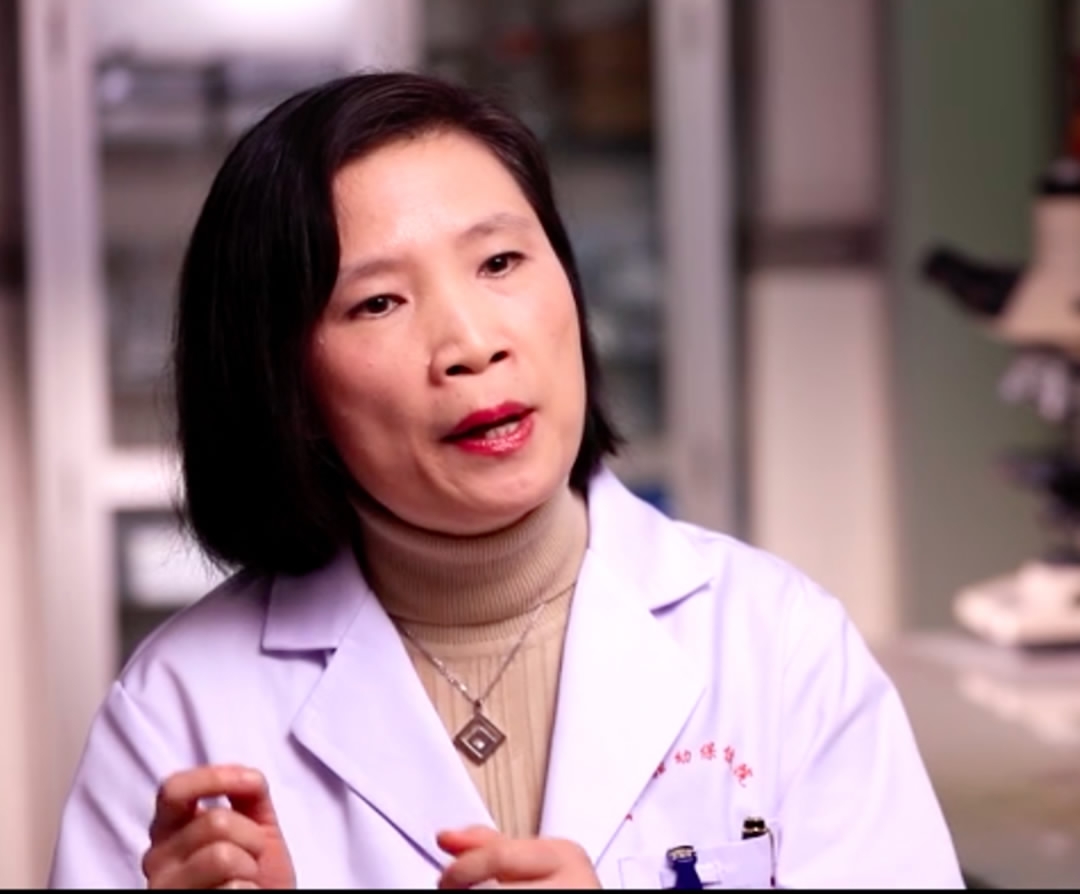
Senior IVF doctor, Ye Hong /CGTN Photo
“Traditional Chinese medicine is very important in China and even around the world,” she says. “Chinese medicine combined with IVF technology, whether it can improve the outcome, needs to be certified by strong medical evidence.”
(Story from CGTN’s flagship news feature programme-Rediscovering China)
1468km
Copyright © 2017
SHARE
- EXPLORE
- MORE
FOLLOW US