BUSINESS


China’s housing market: Quick fix versus long-term solution
2017-03-14 01:05:23 GMT+8






Editor
He Yan
By CGTN’s Feng Xin
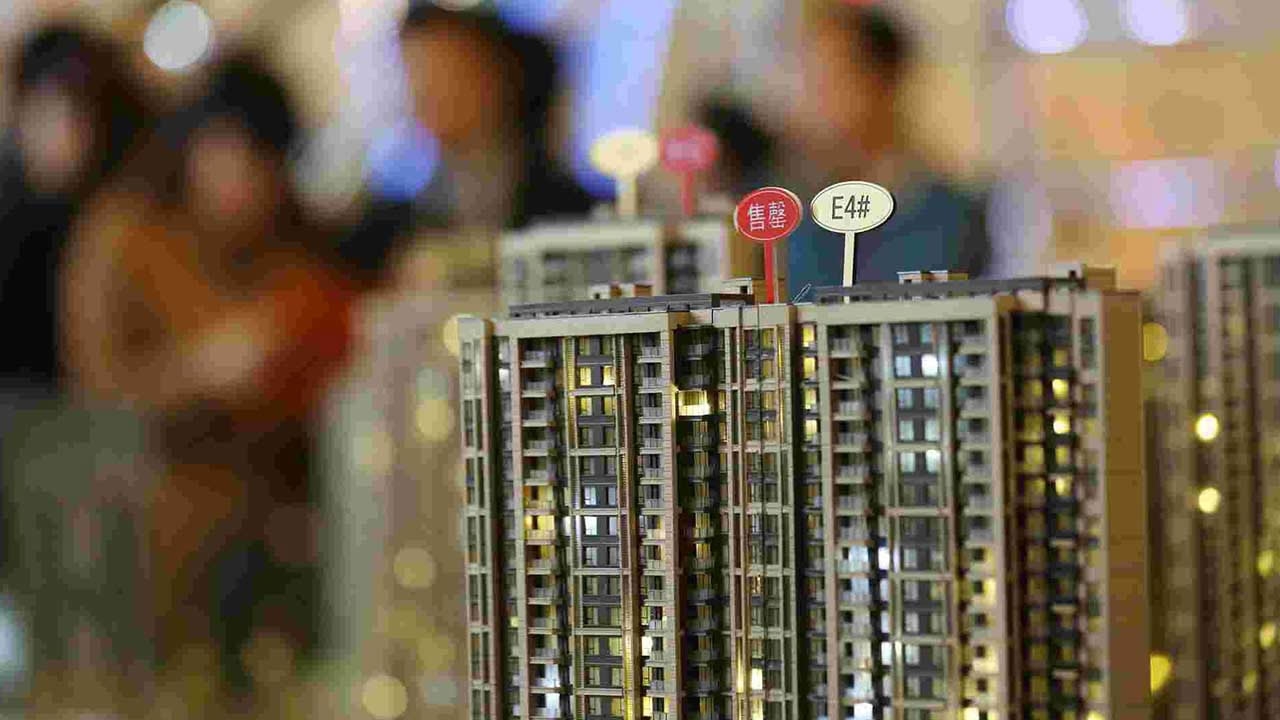
2016 was an eventful year for China’s property market. Housing prices in several big cities such as Beijing, Shanghai and Shenzhen, soared nearly 25 percent from 2015. As a result, more than two dozen Chinese cities tightened property purchases to curb the overheated housing market.
Local governments around China have repeatedly used the same method to control housing prices. When prices overheat, they put the brakes on credit growth, require higher down-payment and place restrictions on who could buy in which cities. When prices start to drop, they loosen credit and the number of properties people could own.

Zhang Hongming, CPPCC member and researcher at Shanghai Academy of Social Sciences. /CGTN Photo
“I think it is reasonable to resume housing purchasing regulations for now, given the overheated housing market in 2016. These policies can quickly cool the market,” said Zhang Hongming, CPPCC member and researcher at the Shanghai Academy of Social Sciences. “But the problem is that we went back and forth in the past decade but still have yet to see a stable and healthy housing market. This won't happen until a number of fundamental reforms in land, finance and taxation take place,” said the scholar, who has been studying China’s property market for decades.
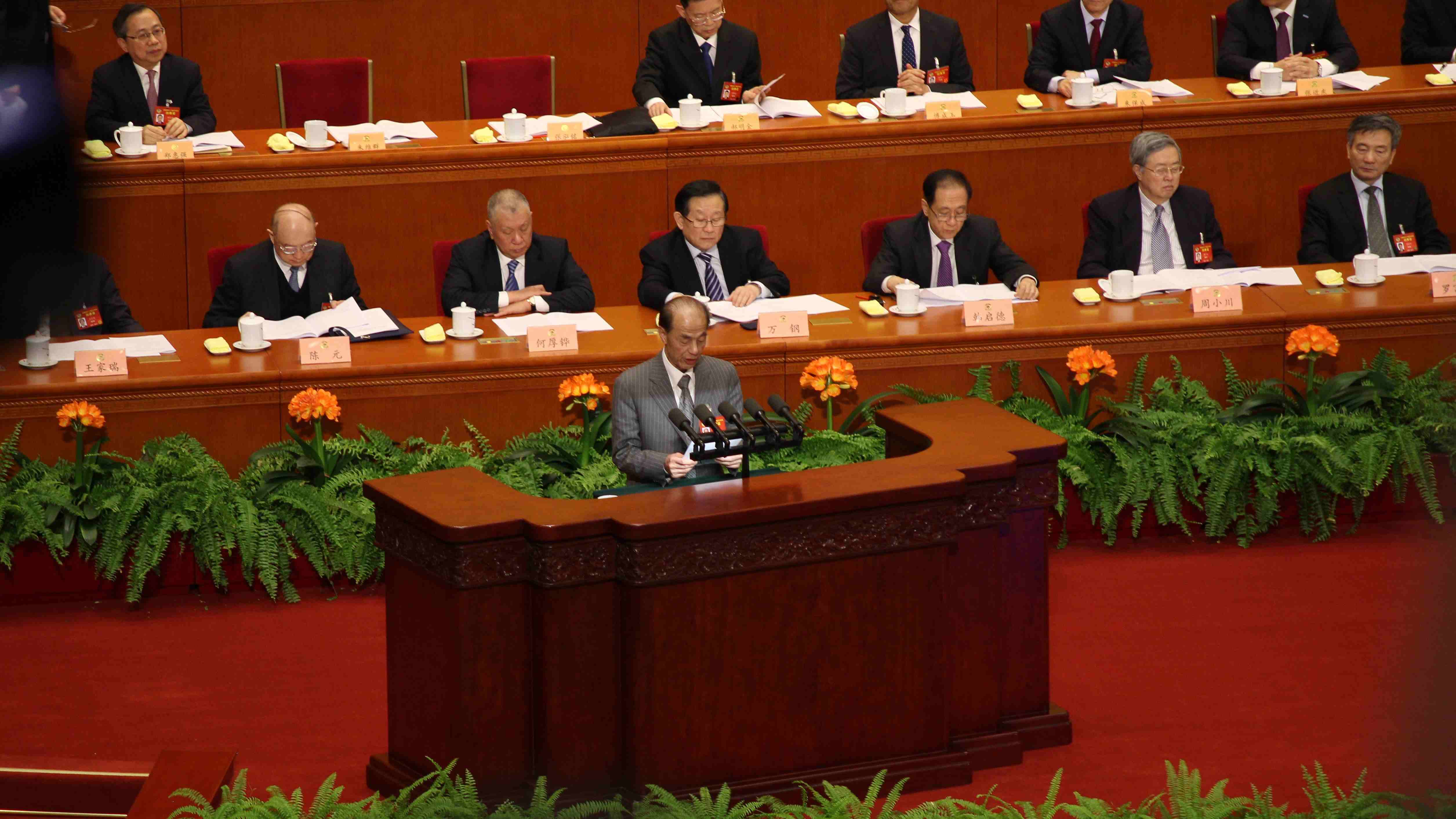
Zhang Hongming was invited to give a speech at the CPPCC’s second plenary session on March 9. /CGTN Photo
On March 9, Zhang was invited to give a speech on China’s property purchasing policies at the CPPCC’s second plenary session. He advocated that a hedging mechanism that will automatically trigger mortgage rate adjustment when housing prices become overheated is needed to avoid delayed policies and human errors in the decision-making process.
In early February, media reports said banks in a number of major cities such as Beijing and Guangzhou cut their mortgage rate discount from 15 percent to 10 for first-time home buyers. This in essence, means people need to pay more. Will the next step be for banks to increase mortgage rates?
“An oversized money supply and liquidity is a major cause of the housing market's instability,” Zhang said. “I think we need to moderately increase the interest rate, and this might be on the way,” he said.
Copyright © 2017
SHARE
- EXPLORE
- MORE
FOLLOW US