
Culture & Sports
22:13, 07-Mar-2017
Bringing China's imperial porcelain factory back to life
Updated
10:59, 28-Jun-2018
 []
[]
Share







Copied
By CGTN’s Sun Wei & Zhang Song
The centuries-old imperial porcelain factory museum in Jingdezhen city in eastern China's Jiangxi Province will finally be completed in September this year, turning the factory site into a new landmark for the famous "capital of ceramics."
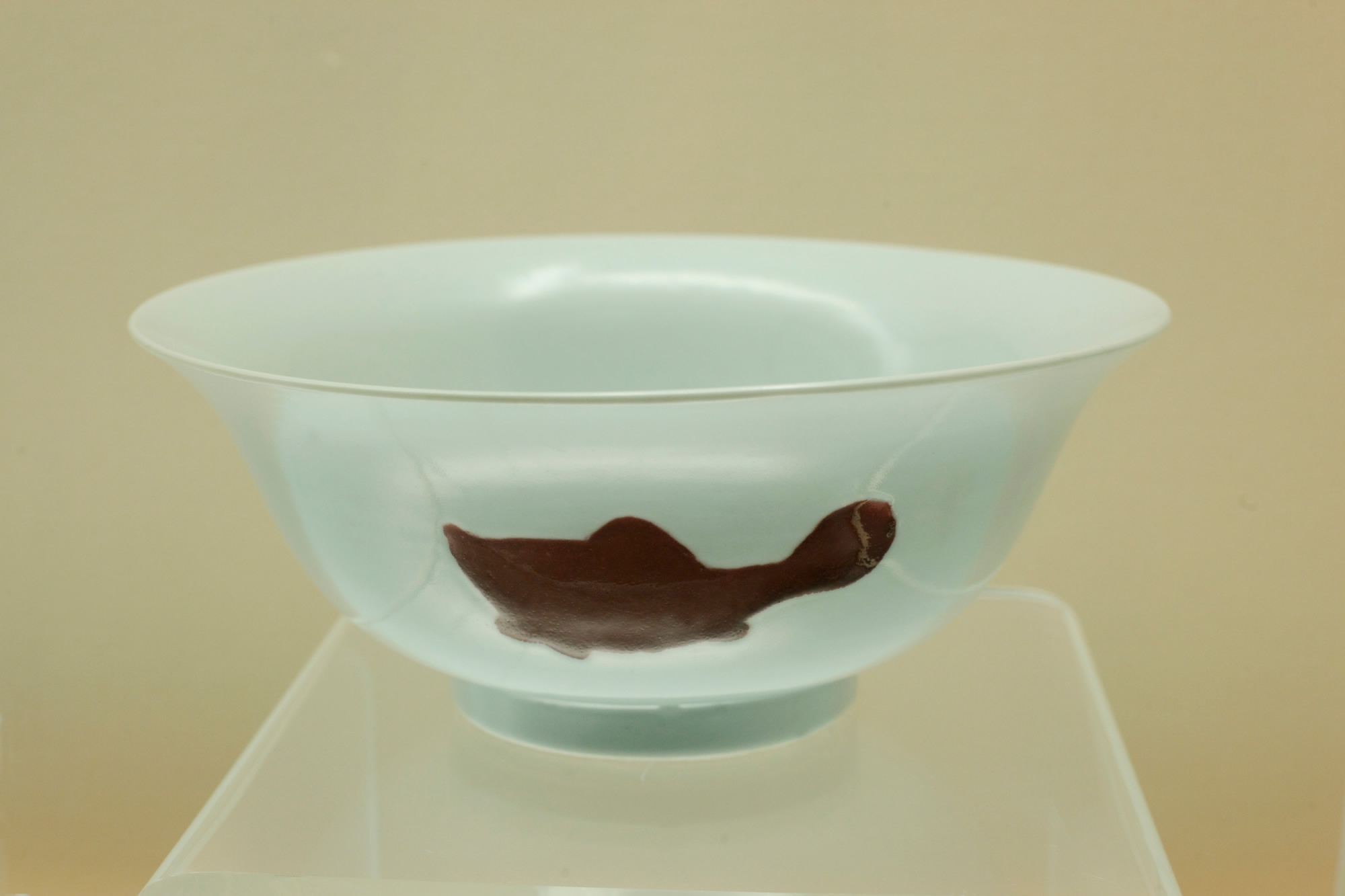
Jingdezhen has produced porcelain wares for imperial use as far back as ancient China's Ming and Qing dynasties.
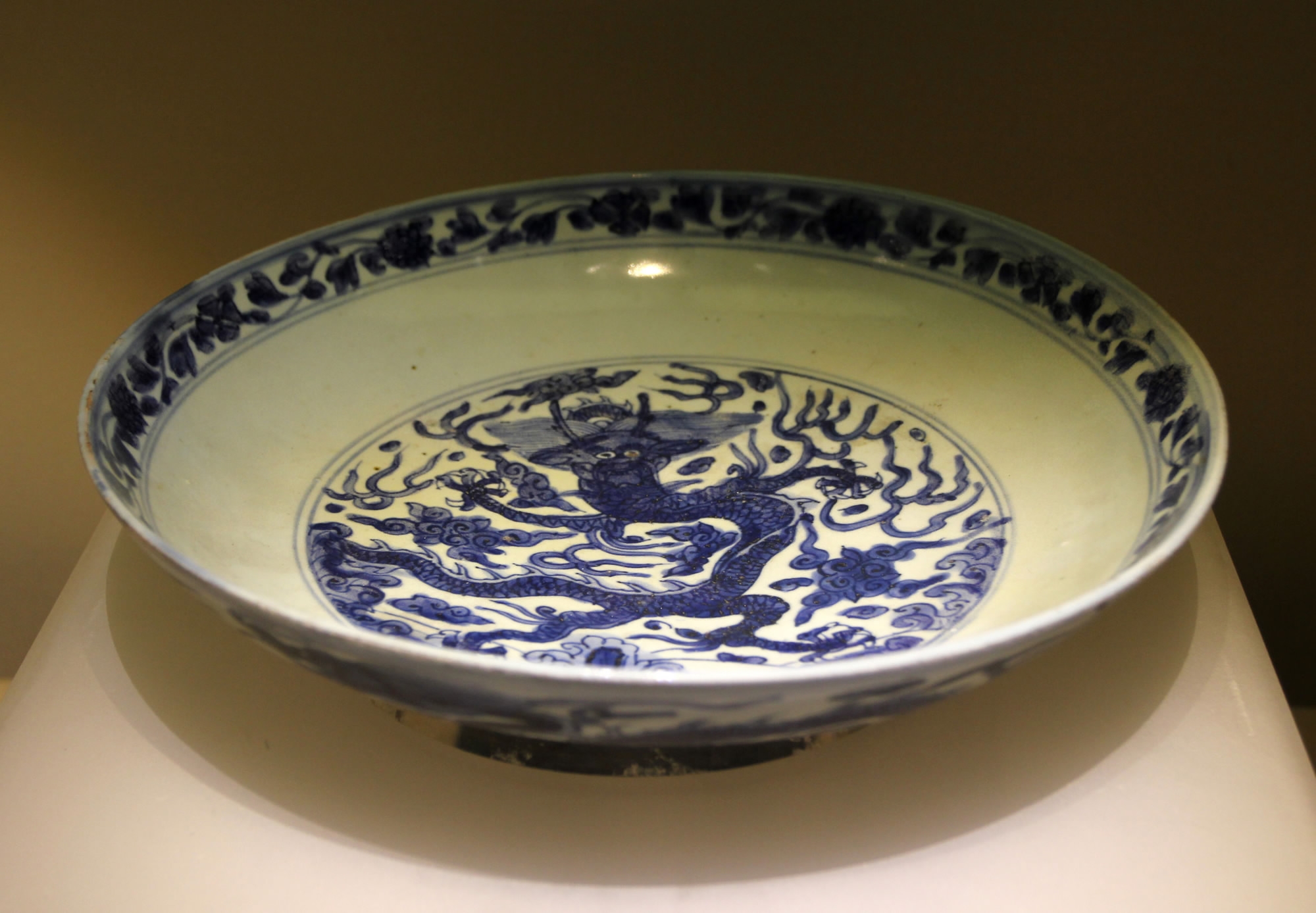
Blue and white plate made in Jingdezhen during the Ming Dynasty. /CFP Photo
Blue and white plate made in Jingdezhen during the Ming Dynasty. /CFP Photo
The imperial factory was founded in 1369, a year after the Ming Dynasty’s commencement. The fire in the factory's furnace did not go out from that date until the collapse of the Qing Dynasty in the early twentieth century.
Jiang Jianxin, director of Jingdezhen Porcelain Archeology Institute, said: "A complete outline of the imperial porcelain factory's history will be on display to the public. It will also be a museum with porcelain samples showing different features of various historical periods.”
The historic site slept quietly underground in a Jingdezhen suburb, before being unearthed in 1982.
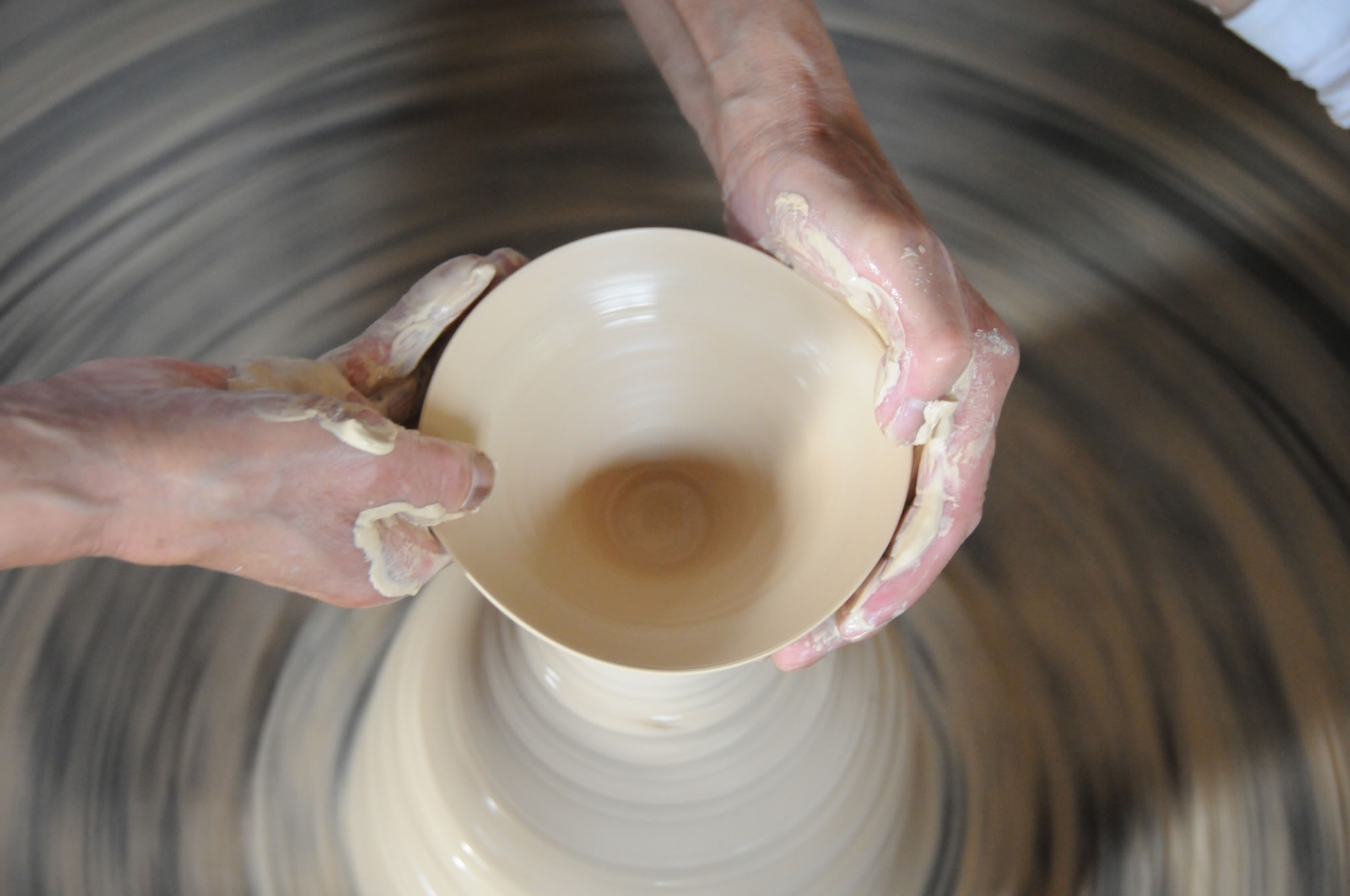
Jiggering (Lapei), a procedure to make a porcelain item. /CFP Photo
Jiggering (Lapei), a procedure to make a porcelain item. /CFP Photo
The imperial museum will consist of two parts. The structures above ground will keep to the factory's original look - simple and old-fashioned. The underground area will feature and protect a collection of precious ancient porcelain wares found in the city.
Covering an area of over 130,000 square meters, the whole project will cost up to four billion yuan (about 580 million US dollars). The museum is expected to open to the public next year.
1187km