SOCIAL


Legality of surrogacy spurs hot debate
2017-02-20 22:27:58 GMT+8






Editor
Deng Junfang
By CGTN’s Ding Dai
"We are a couple with difficulty having a child, can we have surrogacy?"
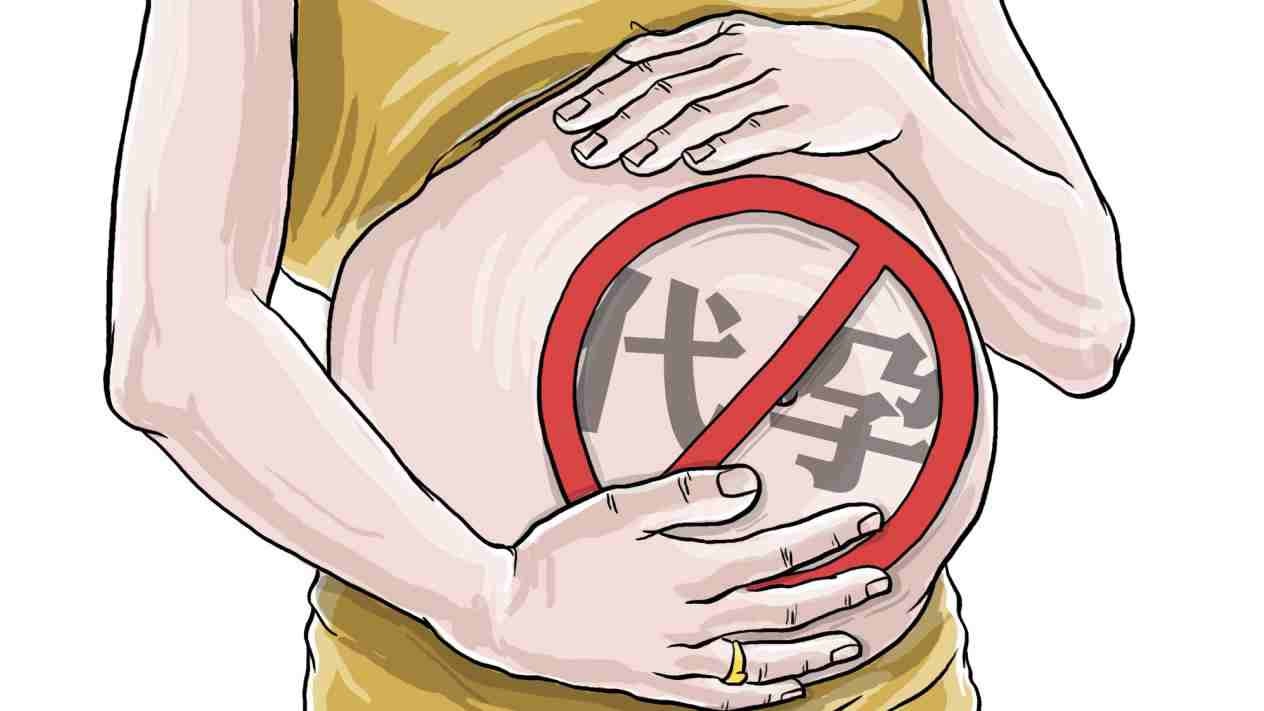
In China, the answer is NO.
Sixteen years ago, surrogate techniques were banned in a legal paper on assisted reproductive technology, which is still in effect today. "We will continue severely punishing surrogacy violations and ensure that people have access to safe, regulated and effective assisted reproductive technology services," said Mao Qun’an from China National Health and Family Planning Commission.
The announcement follows recent discussions on whether to allow surrogacy in China to help couples have a second child under a new policy implemented last year.
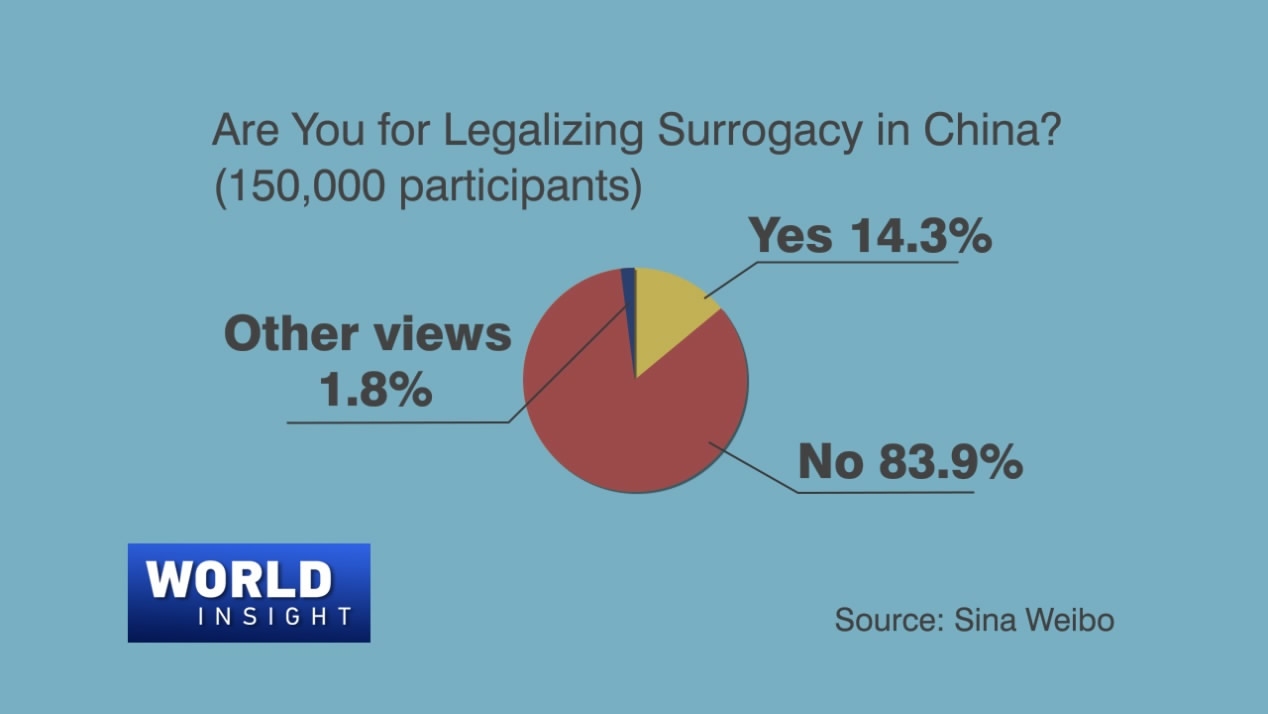
Earlier this month, a People's Daily report recommended that authorities consider allowing the limited use of voluntary surrogacy in some cases. That made a big splash, with over 80 percent of surveyed netizens opposed to it, according to a poll on Chinese social media platform Weibo.
Some fear more girls will be abducted and forced to be surrogates. Others doubt voluntary surrogacy is realistic, as people are often driven by financial interests.
Designed for CGTN by Shi Haizhen and Zhao Fei from World Insight with Tian Wei
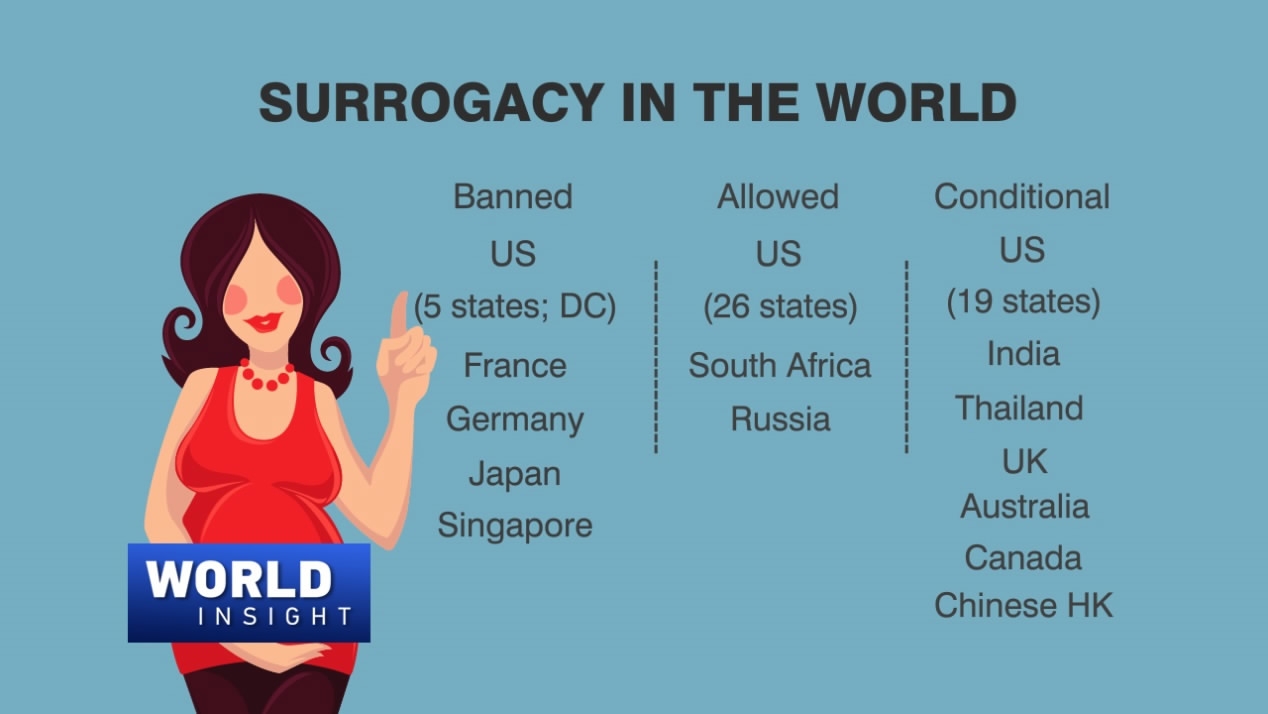
Debates over surrogacy do not just exist inside China. It has become a worldwide issue. At present, various countries have different laws on surrogacy.
Designed for CGTN by Shi Haizhen and Zhao Fei from World Insight with Tian Wei
There have been legal issues over surrogacy cases in the world. The baby M case was the first court ruling on surrogacy in the US. Back in 1986, a US couple asked a surrogate mother to give birth to their baby but the surrogate refused to hand over the baby to the client couple. New Jersey's Supreme Court ruled that the surrogacy contract was invalid and handed the baby's custody to the couple through the father - using the conventional "best interests of the child" analysis - yet allowed visitation rights to the surrogate mother. In 2014, an Australian couple gave up one of their twin babies delivered by a Thai surrogate mother since the boy suffered from Down's syndrome.
For such a complex matter involving legal, ethical and social issues, reaching a consensus in the short term will not be easy. World Insight with Tian Wei held a panel discussion regarding the legality of surrogacy, in which guests shared quite different opinions.
Tong Xiaojun, who is the director of the China Research Institute of Children and Adolescents, said: “I really oppose surrogacy because it’s against the law of nature and violates the ethic of human development, but the demand is there. So for me, the best way is to manage the situation to protect the children and the surrogate mother.”
undefined
Kajsa Ekis Ekman, the author of “Being and Being Bought – Prostitution, Surrogacy and the Split Self”, thinks that there should be a separation between “demand” and “right.” She said: “Just because there is a demand for something doesn’t mean we automatically have to legalize that. We legalize something because we know it is ethically correct.” Ekis Ekman visited Mexico recently and witnessed local authorities’ crackdown on the surrogacy black market there. “If the question is that it is illegal but difficult to enforce the law, then the question should be what we should do about the industry,” she added.
undefined
But John Weltman, who is the founder and president of Circle Surrogacy and also the father of two children through surrogacy, thinks otherwise. He says surrogacy is the most wonderful thing that happened to him and if well regulated, it could be for other people too. He pointed out the differences between traditional surrogacy and gestational surrogacy.
undefined
In traditional surrogacy, the surrogate’s eggs are used and she is the child’s biological mother. In a gestational surrogacy, the surrogate has no biological link to the baby.
“People want children, if they can’t have it, they will find a way. So let’s find a regulation that works. Let’s do careful screening on the women who do this and make sure they are not doing it just for the money. Let’s make sure the intendant parents understand somehow their children may have Down's syndrome despite all the tests. It’s their obligation to take the children. Let’s make it clear what legal work that is necessary to protect the children, the parents and the surrogate mother,” said Weltman.
Copyright © 2017
SHARE
- EXPLORE
- MORE
FOLLOW US