Brazil’s President Temer on trial for alleged 2014 campaign finance fraud






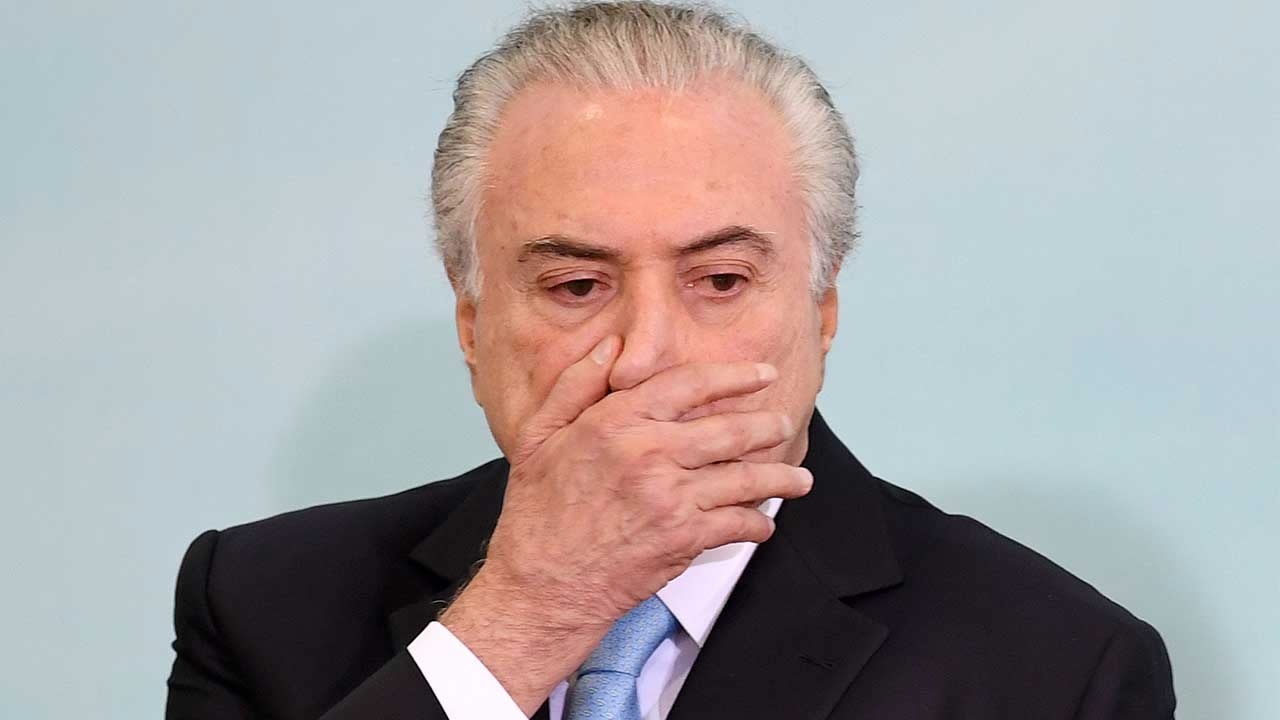
By CGTN’s Paulo Cabral
A trial is underway in Brazil that could determine the fate of the country’s president, Michel Temer. It centers on the re-election campaign of 2014, when Temer ran for vice president, and Dilma Rousseff for president.
The trial’s outcome could cause yet another government shake-up in the South American Country.
This is a crucial week for President Temer, after the country’s Superior Elections Court began the trial that could end his government on Tuesday. The charges are of fraud in the accounts of the Rousseff-Temer reelection campaign. It is alleged that they took undeclared money from companies.
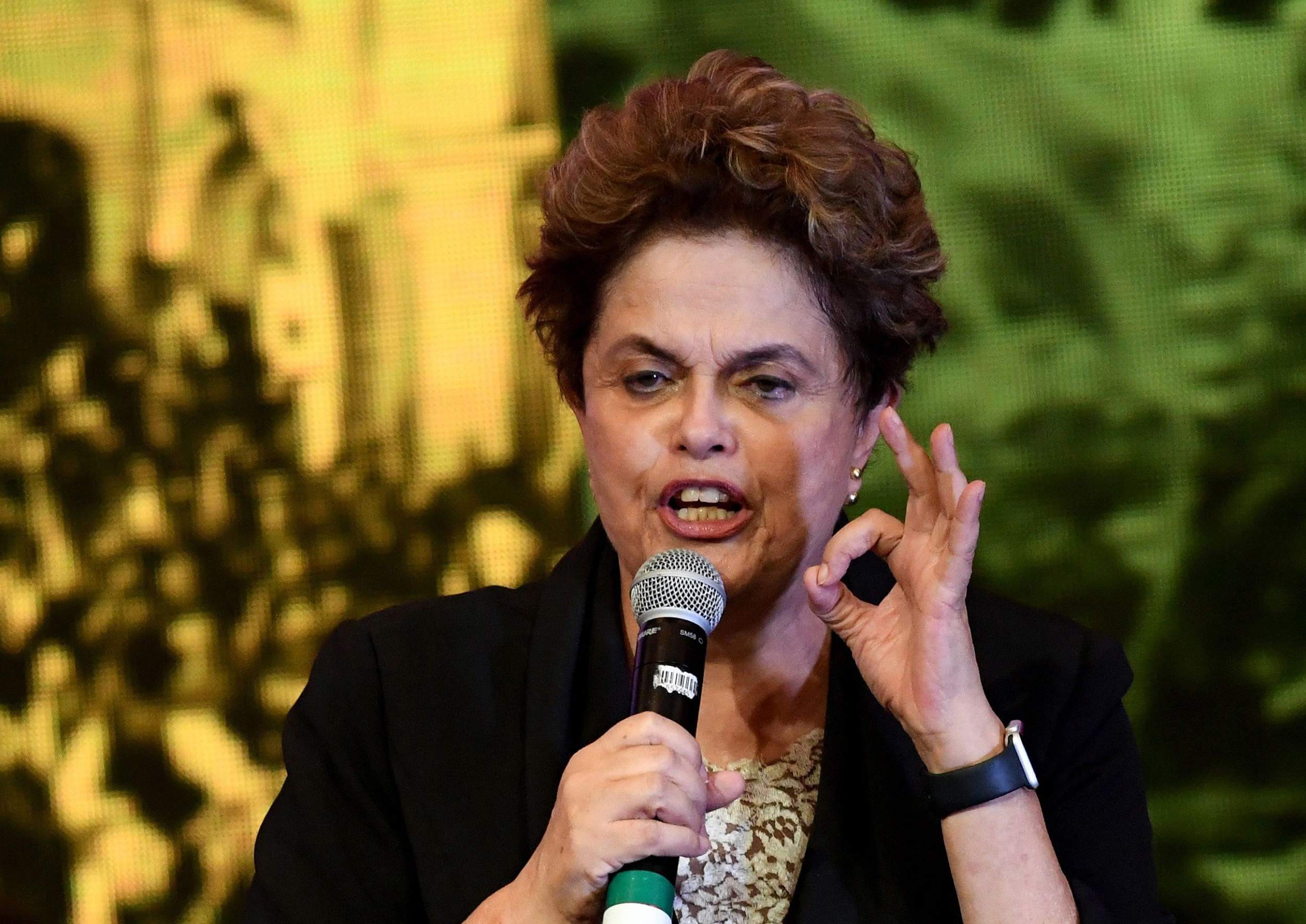
Former Brazilian president Dilma Rousseff delivers a speech during the Workers' Party (PT) National Congress to elect its new president, in Brasilia on June 1, 2017. /VCG Photo
The seven Justices of the Elections Court will vote based on the report of the leading judge of the case, Herman Benjamin. It is widely anticipated to recommend a conviction. But the outcome – decided by a majority of four – remains unpredictable. And the trial could also stop if a judge requests time to review the case.
According to Brazil’s constitution, a new president would be chosen by the National Congress if Temer is forced out early. However, there are growing calls for direct elections to be held instead. The demand comes mainly from left-wing groups that opposed Rousseff's impeachment – but there is also increasing support from other sectors of society.
The Workers' Party hopes direct elections now could give them a chance return the presidency to Lula da Silva, who still leads voter intentions polls despite allegations of corruption against him. But, even if Temer wins this trial it is all but certain that he will get to the end of his term in 2018. He is now under investigation in the "Car Wash" corruption probe and battling the low popularity of his administration.
Brazil may be on the way to have its second deposed president in a little over a year. And as the country struggles with political crises it gets even harder to get out of economic recession.
- EXPLORE
- MORE