
Struggling to seal deals in the United States as regulatory scrutiny tightens, Chinese companies looking to invest in promising technology are finding a warmer welcome for their cash in Israel.
Chinese firms have long hunted in the United States for deals to develop their technological know-how and open up new markets, but their quarry has become more elusive since late 2016 due to increased US protectionism and a tougher regulatory stance.
Last year, Chinese investment into Israel jumped more than tenfold to a record 16.5 billion dollars, with money flooding into the country's buzzing internet, cyber-security and medical device start-ups. These investments surged in the third quarter just as the US regulatory crackdown began to bite, Thomson Reuters data shows.
In contrast, Chinese bidders scrapped a record 26.3-billion-dollar worth of previously announced deals from the United States in 2016, the data shows.
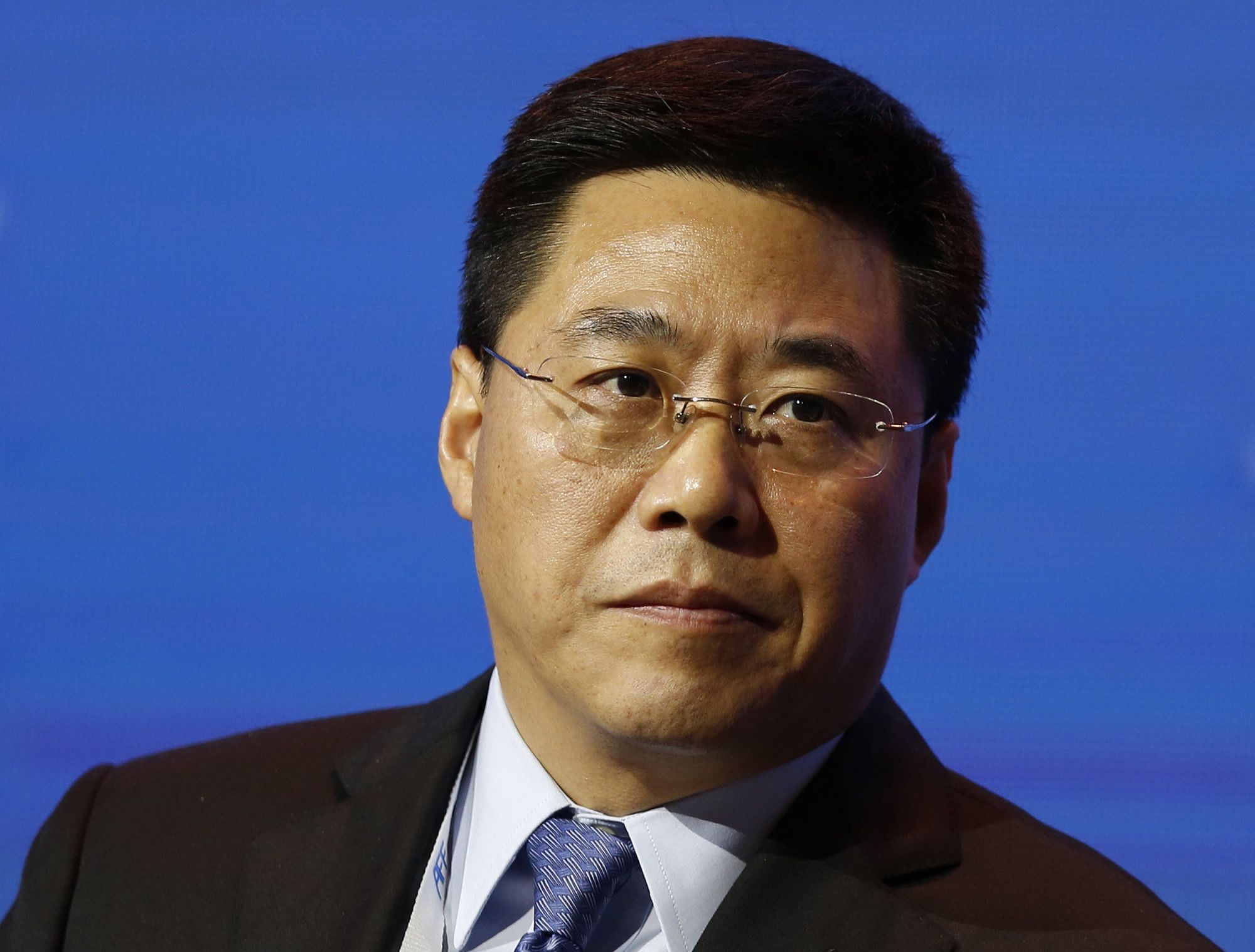
Chen Shuang, CEO of China Everbright Limited, attends the ninth Asian Financial Forum in Hong Kong, China on January 18, 2016. /VCG Photo
China Everbright Limited (CEL), the Hong Kong investment arm of state-owned China Everbright Group, is looking to Israel, said Chen Shuang, CEL's chief executive.
"Our Israel-focused fund has already invested in four local firms there, and we plan to invest in another three to four within this year."
Prior to 2016, China's few investments into Israel were largely outside the high-tech space, from ChemChina's acquisition of crop protection maker Adama to Bright Foods' takeover of food company Tnuva.
That is now more than matched by deals in the tech start-up space, from telecoms group Huawei's bid for cyber-security firm HexaTier, to venture capital investments by the likes of PingAn Ventures and China Broadband Capital into IronSource, a company that offers business development and distribution tools for mobile apps.
Tomer Bar-Zeev, chief executive of IronSource, said strategic Chinese investors are attractive because they offer Israeli firms a way in to the huge domestic Chinese market, which is otherwise difficult to crack.
"Once we became a portfolio company of these Chinese investors, they helped with opening doors in China ... where the business community really relies on connections you build there."
For Chinese buyers, Israeli assets are not only more easily accessible than in the United States, they are also often cheaper, say lawyers and bankers.
However, it has not been all plain sailing for Chinese bidders.
The Israeli government has expressed concerns over the purchase of key financial assets such as insurers, fretting over pension cash. Fosun last year scrapped its plan to buy a controlling stake in Israeli insurer Phoenix Holdings, saying conditions for the 462 million dollars deal were "not met".
(Source: Reuters)