
13:44, 27-Nov-2017
Indonesia Volcano: Southeast Asian nation home to 127 active volcanoes
 []
[]
Share







Copied
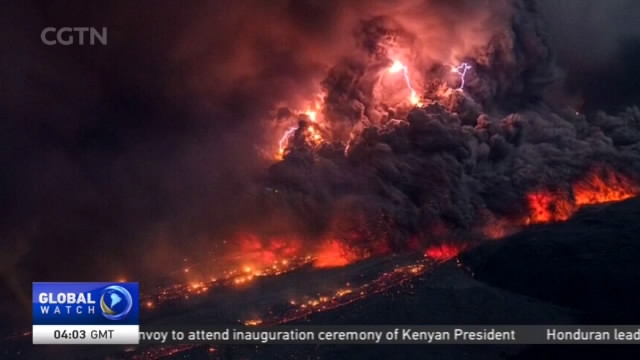
Volcanoes are found all over Indonesia, an abundance caused by the collision of the Eurasian and Indo-Australian tectonic plates. In 2012, more than 500 volcanoes were identified in the country, 127 of them are active, and five million people have activities within the danger zones around these volcanoes. Here are other facts about geological activity in the archipelago.
Some of the Indonesia's volcanoes are notable for their eruptions, for instance, Lake Toba for its supervolcanic eruption estimated to have occurred 74,000 years before present which was responsible for six years of volcanic winter.
Mount Tambora for the most violent eruption in recorded history in 1815, and Krakatau for its global effects in 1883.
Mount Agung volcano dominates the surrounding area, influencing the climate, especially rainfall patterns. The volcano had last erupted in 1963 in one of the largest and most devastating eruptions in Indonesia's history.
Lava flows devastated numerous villages, killing an estimated 1,100 to 1,500 people.
Cold lahars caused by heavy rainfall after the eruption killed an additional 200.
A second eruption on May 16 led to pyroclastic flows that killed another 200 inhabitants.
Minor eruptions and flows followed and lasted almost a year.