Lost in translation? Football’s most popular languages online revealed






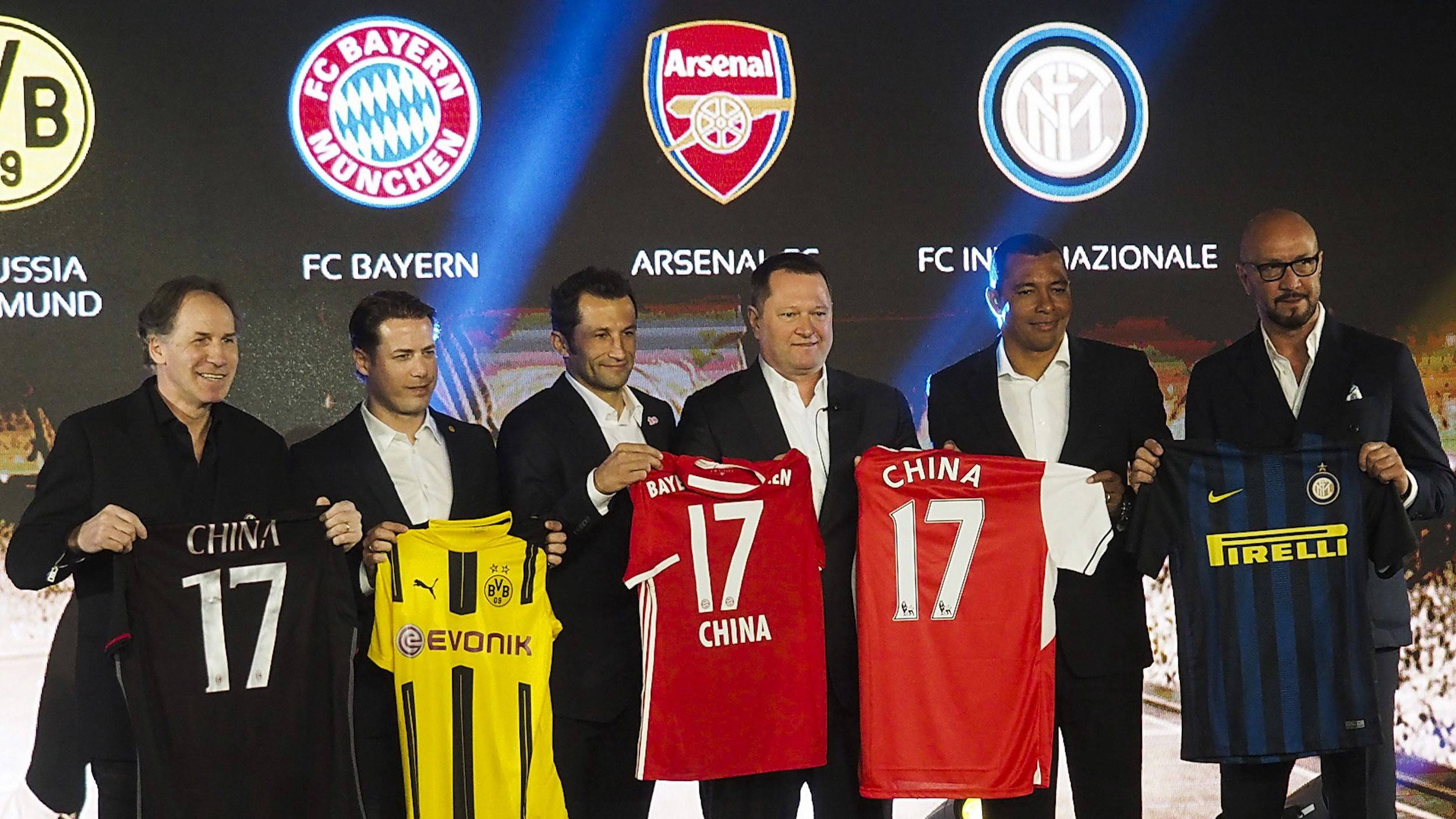
Is your favorite club reaching out to you?
A new study into the different languages that top football clubs translate their websites into reveals that China is possibly the most important market for leading clubs today.
Online translation agency One Hour Translation looked at 40 of Europe’s top football clubs to find out which foreign languages their official websites were translated into.
China, Latin America, Middle East a big draw
Perhaps unsurprisingly, given its pre-eminence as a global lingua franca, English was by far the most common tongue. Of all 32 clubs surveyed from non-English speaking nations, only Russian side Rostov do not localize into the language.
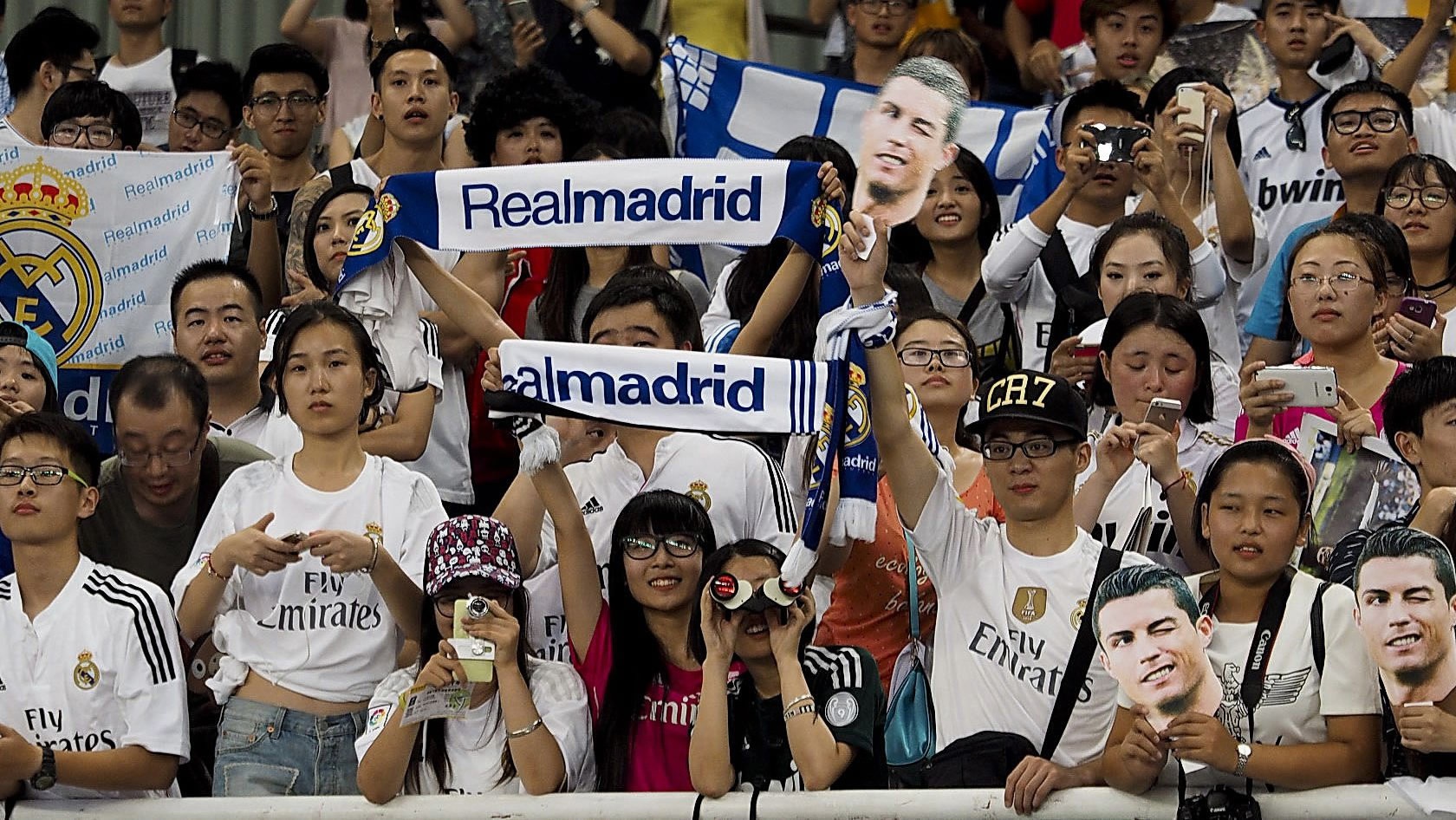
Clubs like Real Madrid are keen to tap into the Chinese market/CFP Photo
But after English, the second-most commonly localized language was Chinese, with no fewer than 12 teams offering Chinese versions of their official websites, including both of this year’s Champions League finalists, Real Madrid and Juventus. With Chinese players notable by their absence from any of Europe's elite clubs, the proliferation of Chinese-language websites points heavily towards a desire to tap into the voracious appetite for European football in China.
With many of Latin America’s top stars playing for elite clubs in Europe, such as Lionel Messi and Luis Suarez, Spanish was next in line, with 11 clubs running websites in the language.
And with six clubs localizing into Arabic, the Middle East is also proving a key target market, notably for Paris St-Germain, Barcelona and Manchester City, who all have owners or major sponsors hailing from the region.
Man City topping the table

Manchester City translate their website into more languages than any other club/CFP Photo
In terms of the clubs themselves, Manchester City lead the way in localization, with websites in 12 languages, and are notably the only club surveyed to offer sites in both Simplified and Traditional Chinese. Spanish powerhouses Barcelona and Real Madrid are next up, with nine and seven different languages offered respectively.
“This data indicates that the top clubs in Europe understand that localizing into other languages translates to on-field achievements,” said One Hour Translation co-founder Yaron Kaufman. “A relatively small investment in translating a website generates a chain reaction that starts with selling merchandise, continues with higher royalties thanks to overseas broadcasting rights and ends with increased profits, enabling them to acquire the best players and increasing their chances of winning future matches.”
Must do better
However, it seems not every club is overly concerned with localizing their online offerings into different languages. Despite being the world’s seventh richest club and having a well-established global fan base, English side Arsenal localize only into Chinese. Additionally, Scottish champions Celtic, English Premier League winners Leicester City and Rostov only operate websites in their local languages.
Star players change everything

Tottenham Hotspur's Son Heung-min is a big draw in South Korea/CFP Photo
While the main motivation in reaching out to fans the world over is undoubtedly financial, some clubs appear to be doing this in a more targeted manner than others. English club Tottenham Hotspur’s decision to run a Korean website is probably due to the considerable popularity of their South Korean striker Son Heung-min in his home country.
Similarly, Barcelona are the only team surveyed to have a Turkish version of their site, which may in part be thanks to the presence of Turkish international midfielder Arda Turan in their squad. And with playmaker Shinji Kagawa a big draw in his native Japan, the Japanese-language website of German outfit Borussia Dortmund seems a very sensible choice.
Time for China to shape up?
But while many clubs in Europe are doing their best to accommodate their legions of Chinese fans, it seems that clubs within China are somewhat behind the curve when it comes to appealing to supporters overseas.
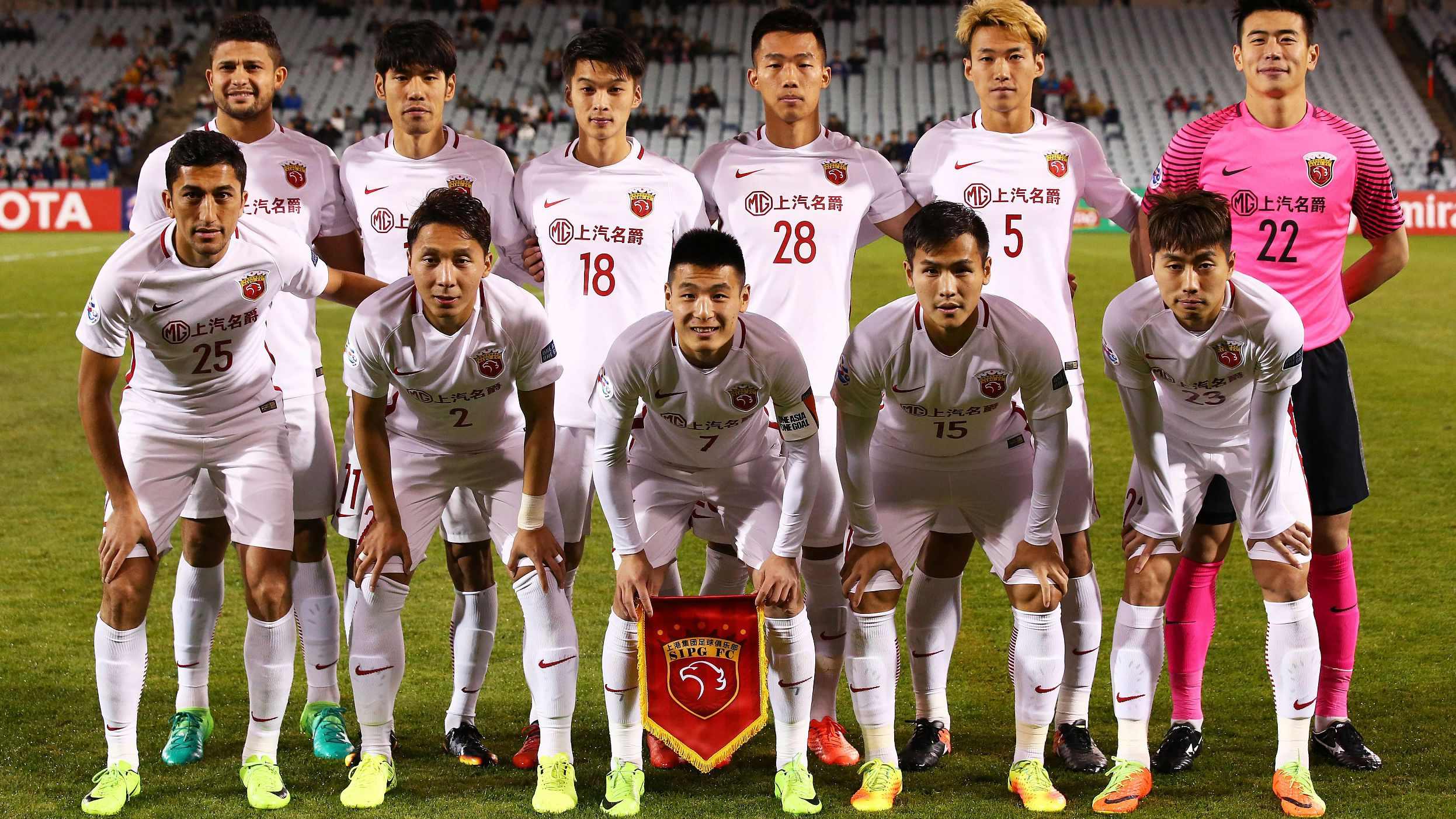
Shanghai SIPG offer websites in English and Spanish/CFP Photo
Despite a recent influx of well-known foreign stars to the Chinese Super League, of the 16 teams competing in this year’s competition, only Guangzhou Evergrande, Shanghai SIPG and Shanghai Shenhua run English-language websites, with SIPG also notably offering a site in Spanish.
- EXPLORE
- MORE