SOCIAL


The school program exposing students in China’s remote Xinjiang to a wider world
2017-05-12 10:14 GMT+8
2414km to Beijing






Editor
Han Jie
By CGTN's Grace Shao
It has been 17 years since the establishment of the Xinjiang Class, a curriculum introduced by the national government to give middle school students a better education in Xinjiang, the under-developed and ethnically diverse northwestern corner of China.
The curriculum has helped students go on to respected jobs, from doctors to teachers to local government officials.
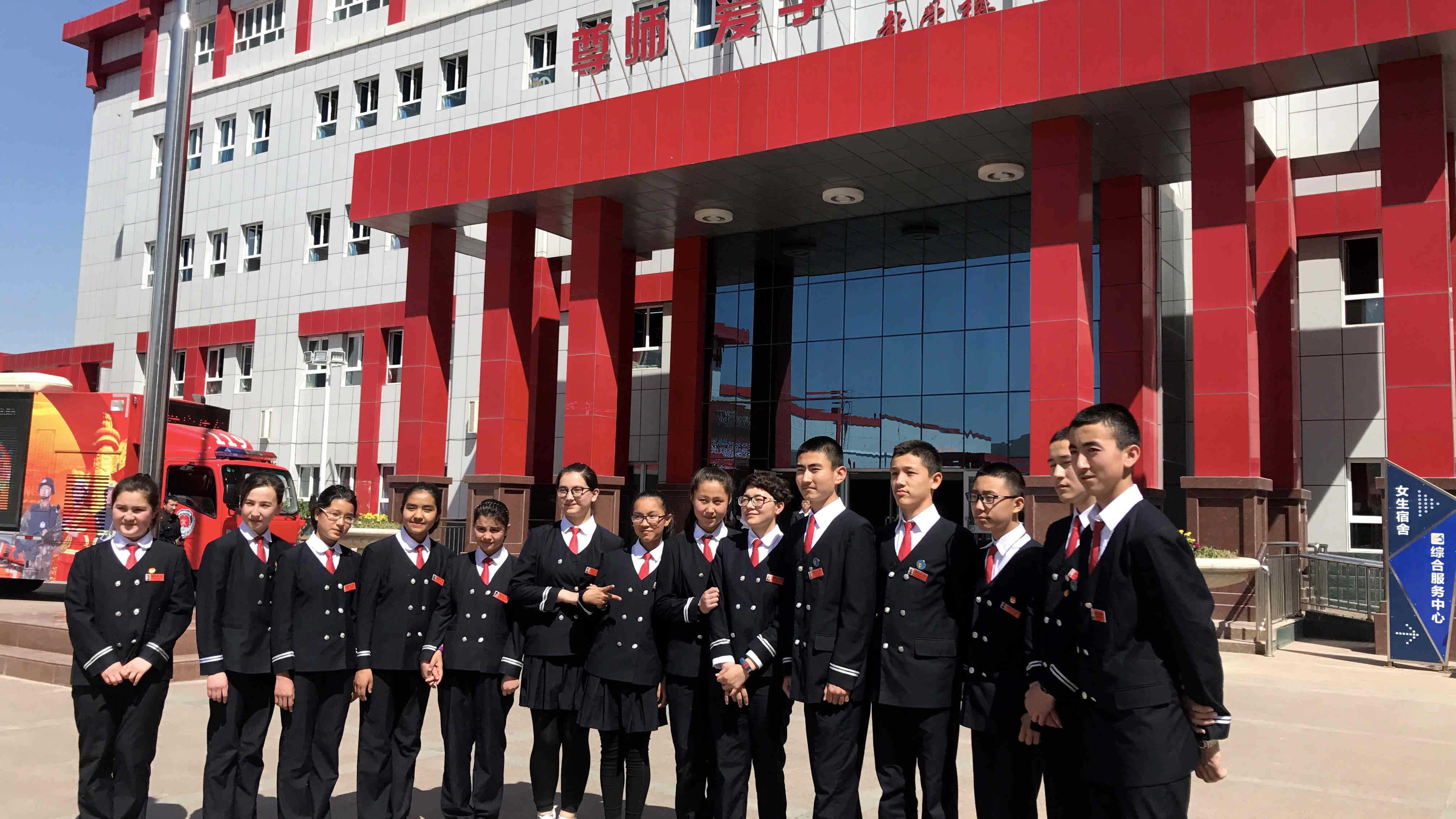
No. 66 Secondary School in Urumqi, the regional capital, is a perfect example. It was appointed as a Xinjiang Class project school in September 2004 and currently has two campuses hosting 61 classes and nearly 3,400 students from 13 ethnic groups.
The perks of attending this school?
The government funds the entire program, meaning tuition, meals, accommodation, stationery are all supplied, at a total cost of roughly 8,000 yuan (about 1,200 US dollars) per student annually. That being said, admission to the program is extremely competitive. Students must take exams and rank among the top in the region to be selected.
The Xinjiang Class targets ethnic minority students who are mostly from the southern part of Xinjiang, many from Kashgar or its surrounding area. The quota given by the Chinese government is 90 percent ethnic minorities and 10 percent Han, China’s majority ethnic group. This ratio has been questioned for fairness but it can be seen as an effort by China to provide better opportunities for ethnic minority children who otherwise often lack options.
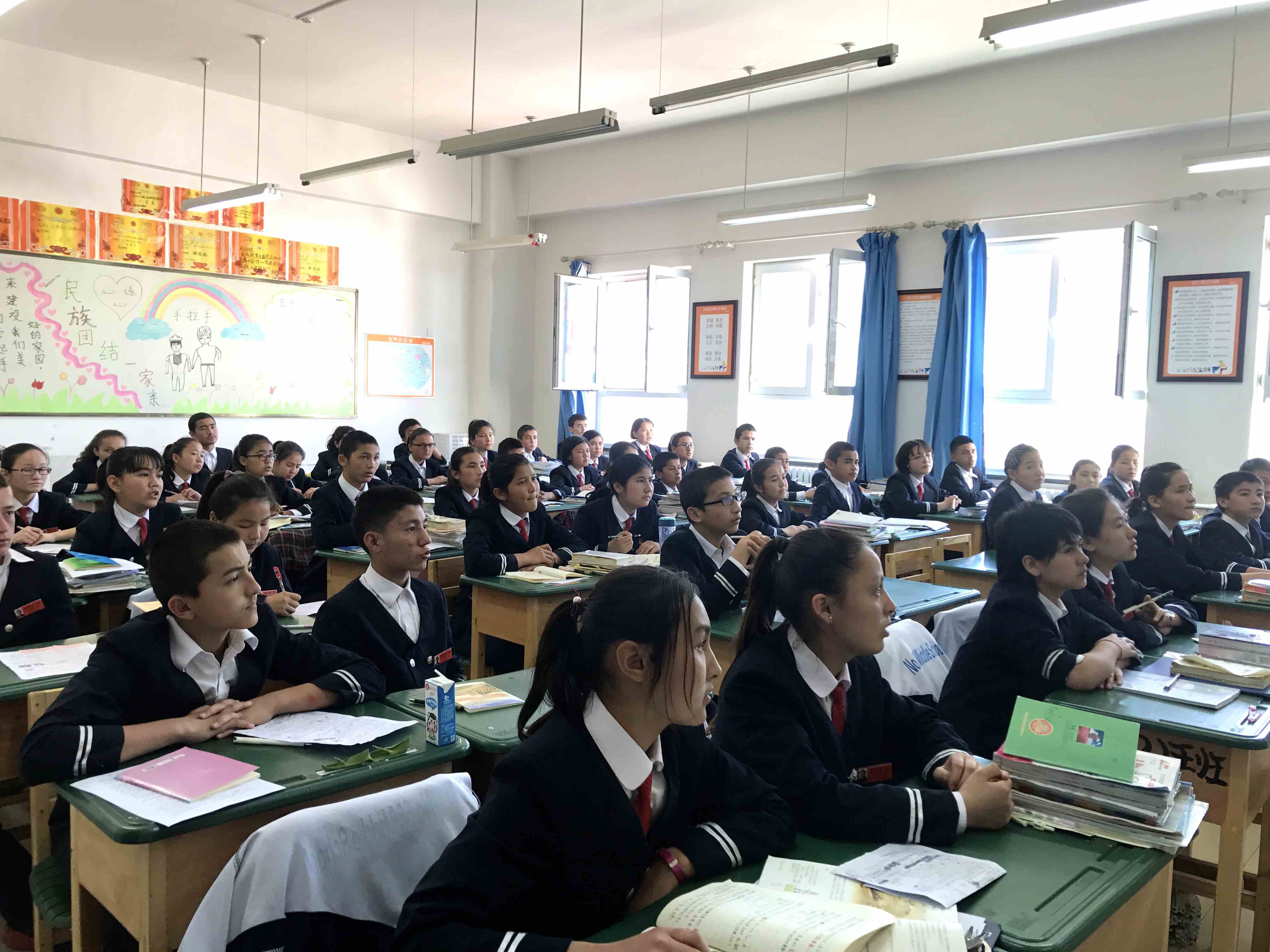
Students in an eighth-grade physics class /CGTN Photo
The school boasts some of the best facilities in Urumqi and it aims to provide students with not just a bilingual education but a trilingual one.
Management of the school first hope to improve the students’ Mandarin as local families often don’t speak China’s official language. With many of the students destined to join their Han counterparts in cosmopolitan cities such as Beijing, Shanghai or Guangzhou, a strong Mandarin Chinese foundation is vital for their integration into society as well as crucial for their studies.
Secondly, the school takes English very seriously, in the hope of giving students a more competitive edge – English is their means of connecting to the rest of the world. Thirdly, their students’ own ethnic language and culture are encouraged and preserved.
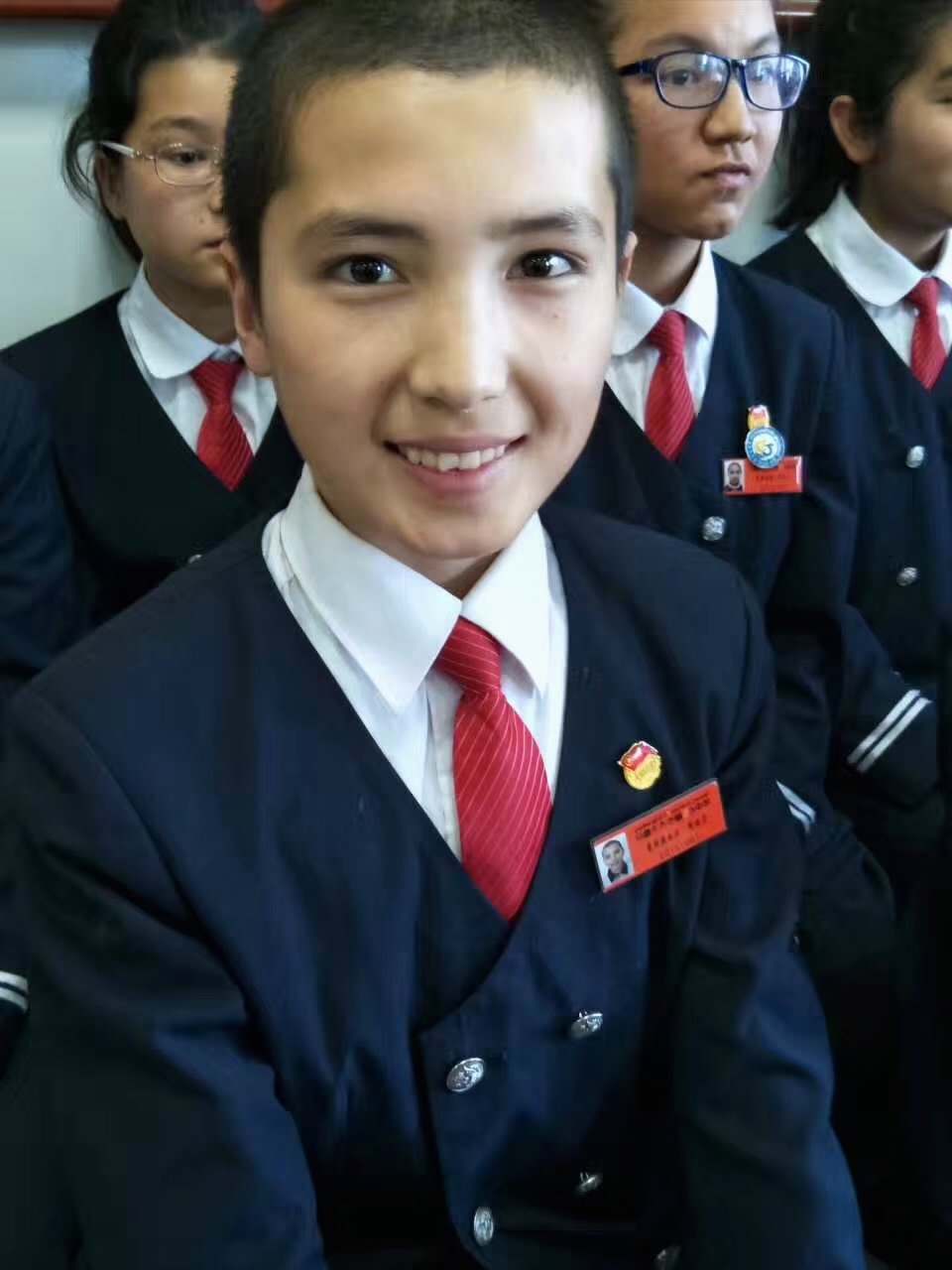
Nusiredula’Adili /CGTN Photo
Home away from home
Eighth grader Nusiredula’Adili addressed the class in fluent English: “Good morning everyone, I'm 14 years old from Kashgar.” He added in Mandarin Chinese: “Almost nobody can speak Mandarin back home so whenever I go home I can help people with translation when local officials come or when we have visitors. My studies have let me assist adults in translation and in other aspects of their work.”
The main goal of the program is not only to help poverty-stricken children through education but also a way for many of the rural kids to integrate into mainstream society. With regular field trips planned and visitors from around the world, the students are exposed to more cultural influences and in return become more eager to learn and grow.
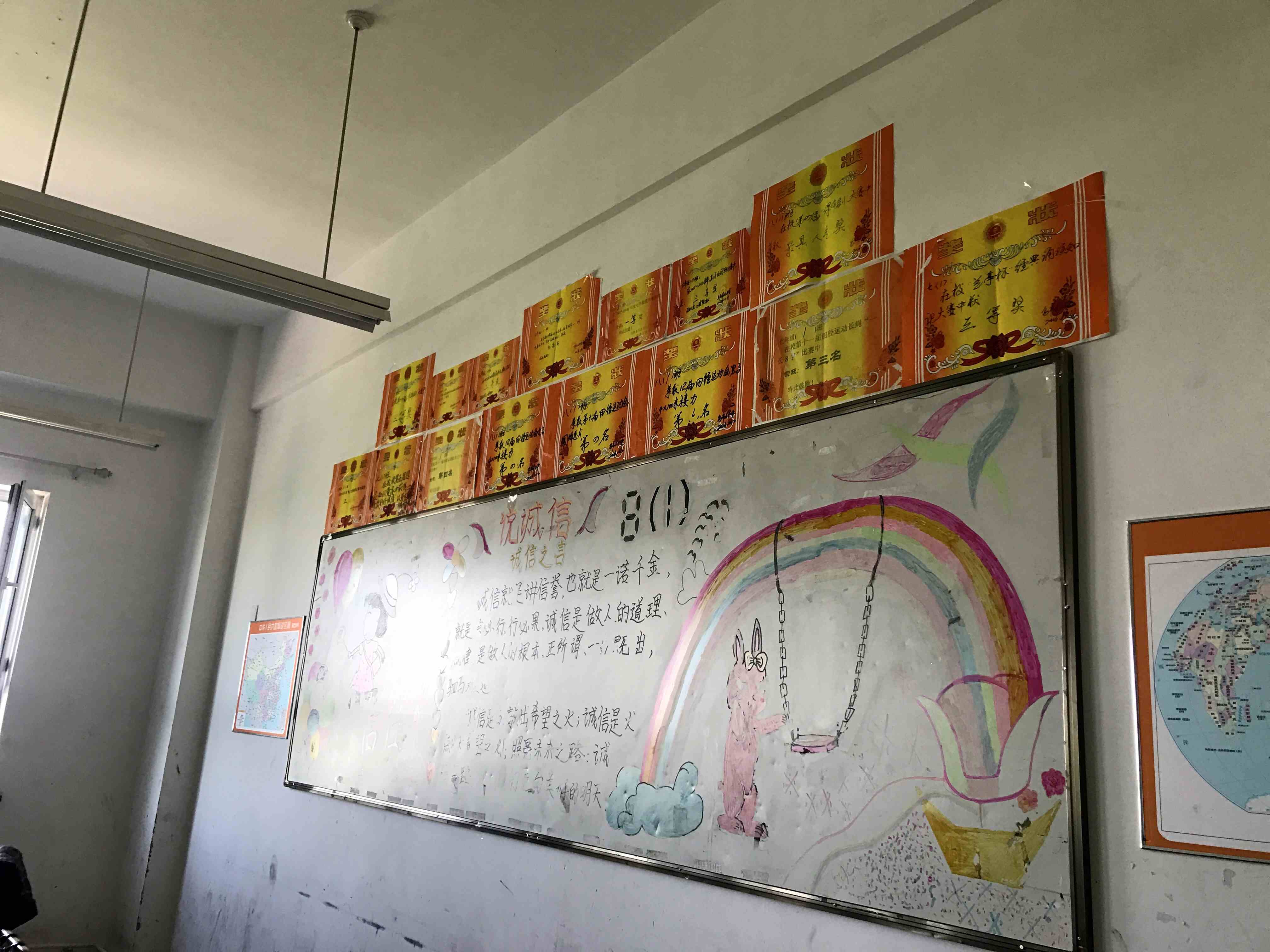
CGTN Photo
This is all part of Xinjiang’s 15-year compulsory education: three years of preschool, six years of elementary, six years of high school. The curriculums taught at these schools sometimes vary slightly, dependent on regional interests or local topics, but all follow the overall national education standard and requirements.
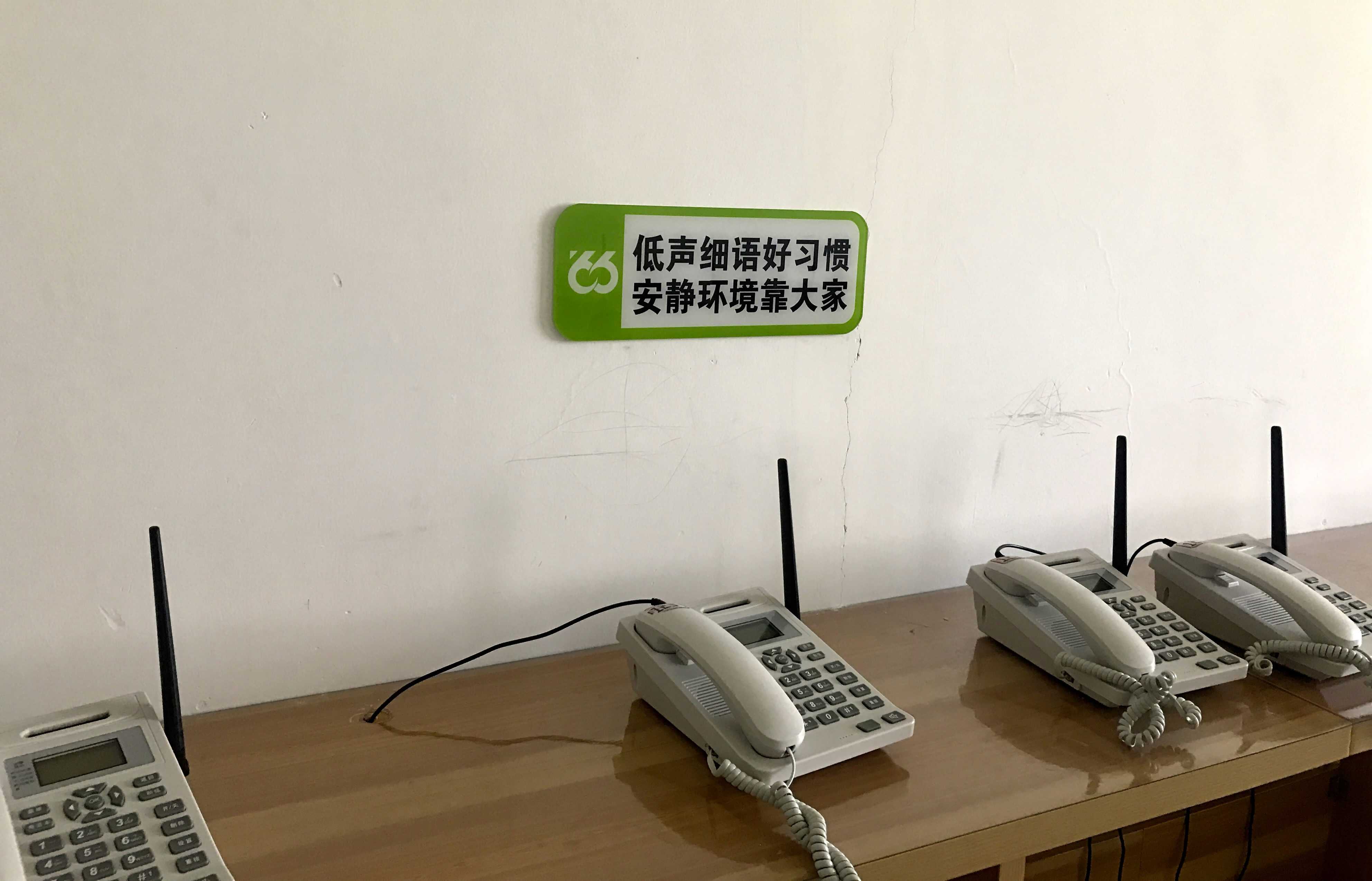
Students are allowed to use these phones before bed /CGTN Photo
For many of the students, No. 66 Secondary School has become their home away from home. Though they have to travel long distances in many cases, parents come to visit regularly. Students otherwise seek comfort in their peers and teachers.
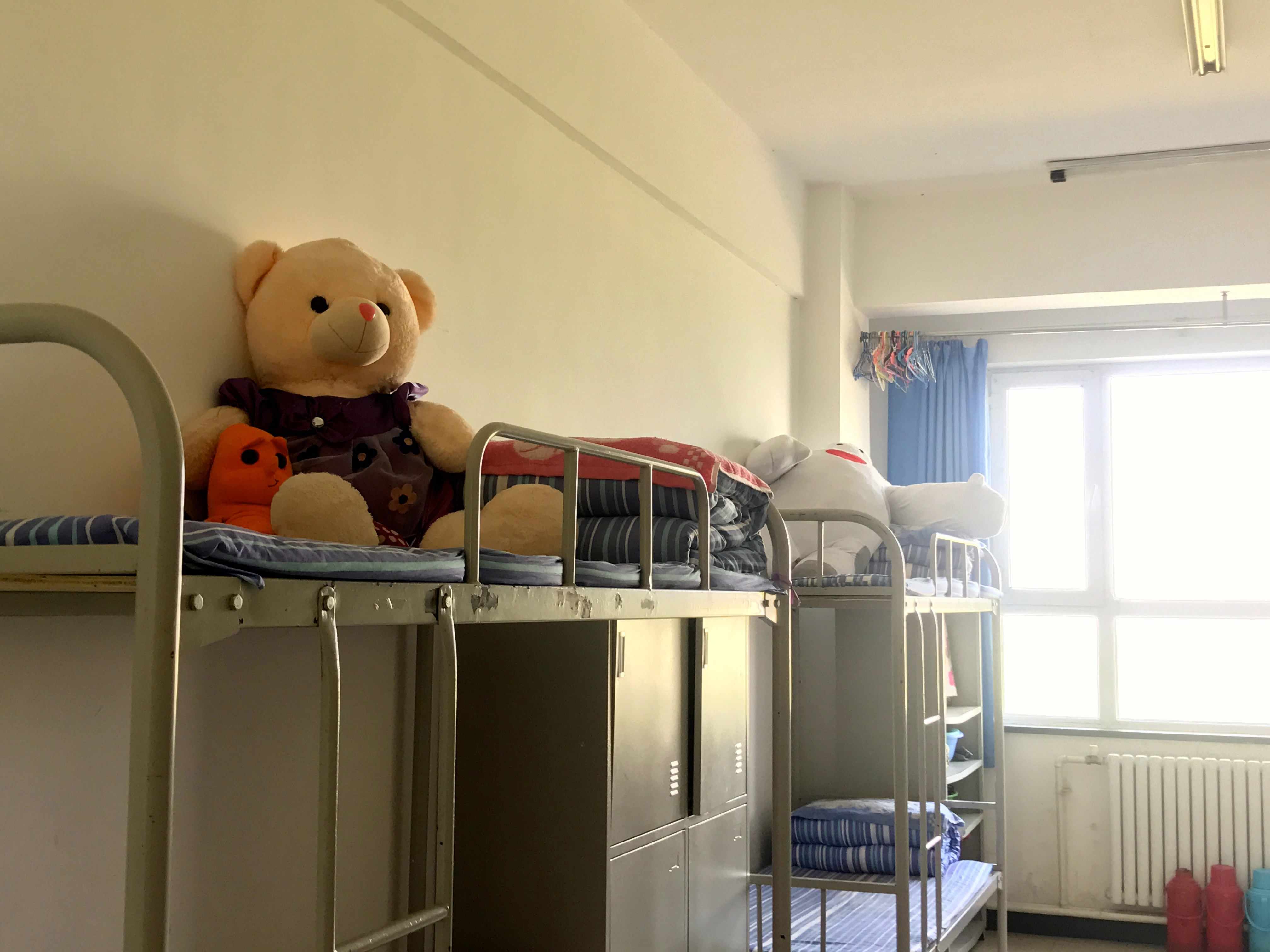
A fluffy friend brought from home. The dormitory rooms are shared between eight students. /CGTN Photo
Xiong Yue left Kashgar two years ago and is among a handful of Han students in his grade. “I am from Xinjiang and so is my mom. I can speak some Uyghur, and I love learning about my classmates’ culture. I want to go to a good university, in Shanghai or Beijing one day,” Xiong said.
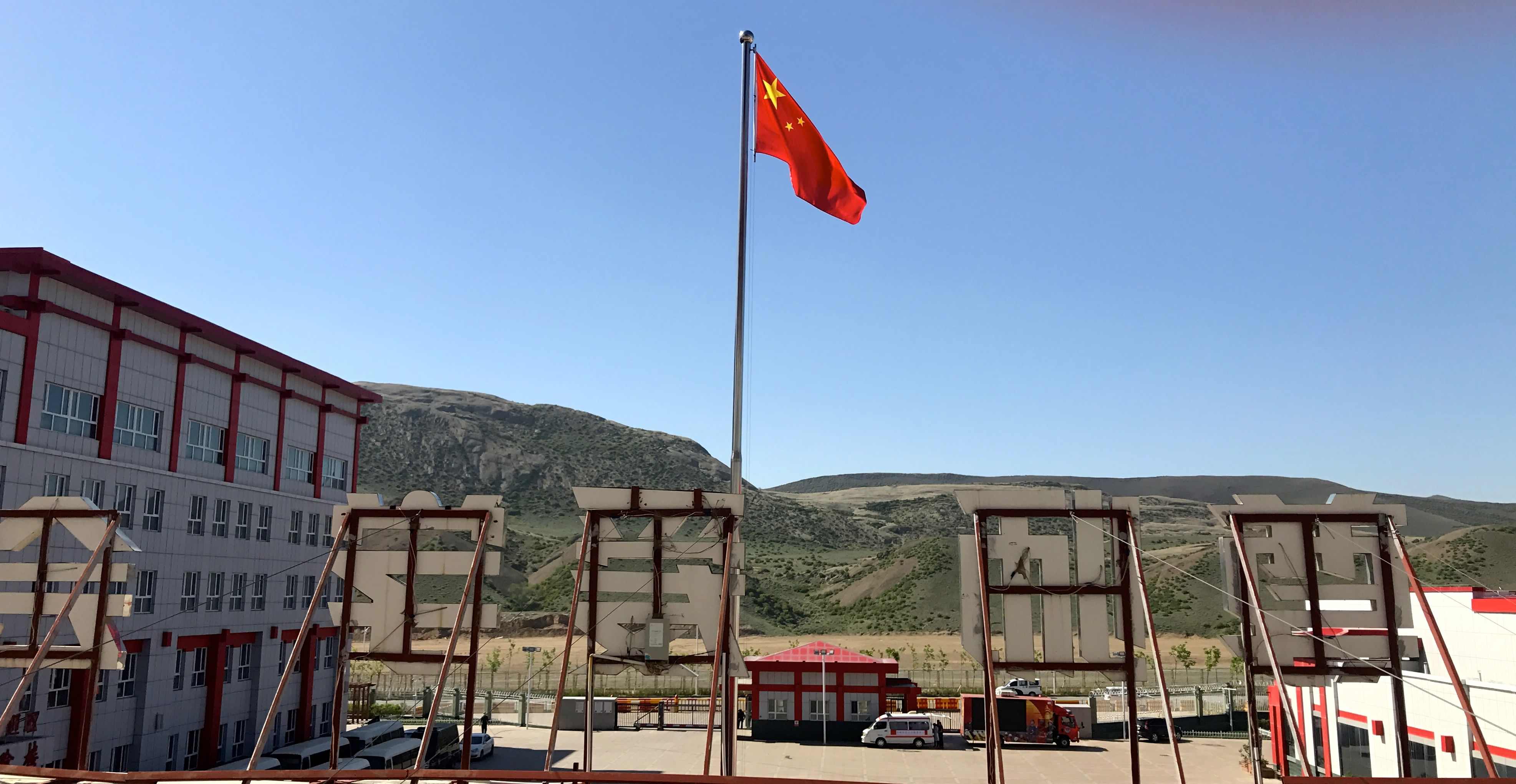
View from the window of the main academic building, located roughly 20 km away from Urumqi city. /CGTN Photo
While some want to leave Xinjiang, eight out of 10 students in this program stay in Xinjiang, becoming an integral part of its development. But right now, these young middle schoolers are just like teenagers anywhere else in the world – young, curious, and hungry for experiences.
2414km
Copyright © 2017
SHARE
- EXPLORE
- MORE
FOLLOW US